Food
Folate: Key Roles



Folate key roles. Sometimes referred to as vitamin B9, is an essential nutrient that offers numerous health advantages. This water-soluble vitamin is essential for several body processes, such as DNA synthesis, red blood cell production, and cell division. It is crucial for preserving general health at all stages of life. A vital nutrient that promotes many facets of health is folate. from improving cognitive function to preventing anemia and encouraging good prenatal development. Maintaining general health requires consuming enough folate. either through supplements or food sources. Getting adequate folate is essential for maintaining a balanced and healthful lifestyle.
FOLATE: KEY ROLES
Vitamin B9, also known as folate, is a necessary nutrient that aids in the production of DNA, red blood cells, and cell growth and function. While folic acid is a synthetic form used in supplements and fortified foods like cereals, it is naturally present in foods like citrus fruits, legumes, and leafy greens. In order to prevent birth abnormalities of the brain and spine, folate is particularly important during pregnancy.
1. Folate and Pregnancy;


One of the most well-documented benefits of folate is its significance during pregnancy. Adequate folates intake is crucial for preventing neural tube defects in the developing fetus, such as spina bifida and anencephaly. These severe conditions arise from incomplete development of the spinal cord or brain. Health professionals recommend that women of childbearing age consume sufficient folates, either through diet or supplements, to ensure proper fetal development and reduce the risk of these defects.
2. Red Blood Cell Production;

FOLATE: KEY ROLES
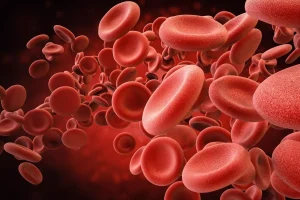
Folates are also key to producing healthy red blood cells. It assists in the formation and maintenance of red blood cells, which are responsible for transporting oxygen throughout the body. A deficiency in folate can lead to megaloblastic anemia, a condition where red blood cells become abnormally large and ineffective, leading to symptoms such as fatigue and weakness.
3. Mental Health;


FOLATE: KEY ROLES
In addition to its role in physical health, folate plays a part in mental well-being. Adequate folate levels are linked to better brain function and may help prevent cognitive decline. Research indicates that sufficient folate intake is associated with a lower risk of depression and other mood disorders, highlighting its importance for mental health.
Sources of Folates;

FOLATE: KEY ROLES
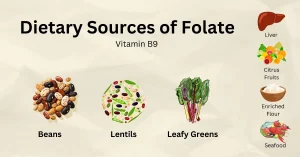
Folate is found in a variety of foods, including leafy green vegetables (such as spinach and kale), legumes (like beans and lentils), nuts, and fortified cereals. For individuals who might struggle to get enough folates through diet alone, supplements are a viable alternative to help meet their nutritional needs.
Summary
Folate plays vital roles in red blood cell creation, cell proliferation and DNA synthesis, and promoting a healthy pregnancy by preventing neural tube disorders such spina bifida. Additionally, it aids in the body’s utilization of proteins and amino acids, and low folate levels have been connected to a higher risk of depression.