Food
Foods and Ulcer

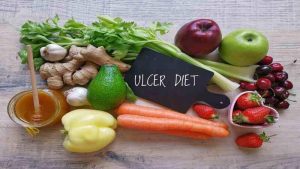
Foods and ulcer. Berries, eggs, lean meats, and whole grains are among the items that may help reduce your ulcer symptoms. Avoiding foods that can aggravate ulcer sores in the lining of the stomach, esophagus, or small intestine, such as fried foods, citrus fruits, and alcohol, is also beneficial. Antibiotics are necessary to treat stomach ulcers caused by the Helicobacter pylori bacteria. Long-term usage of some medications, such as nonsteroidal anti-inflammatory drugs, can also result in peptic ulcers.
FOODS AND ULCER
Eat a diet consisting in lean proteins like fish and lentils and high-fibre foods like whole grains to prevent gastric ulcers. Select low-fat dairy products and non-acidic fruits and vegetables. Steer clear of items that can irritate the stomach lining, such as spicy, citrusy, fatty foods, coffee, alcohol, and carbonated drinks. Ulcers are the sores you may have seen that develop behind your tongues or within your lips. They can also develop in the lining of your neck, small intestine and stomach. Gastric, duodenal, and esophageal ulcers are other names for ulcers in the stomach, small intestine, and neck, respectively he duodenal ulcer is the most prevalent of these three.
1. Alcohol;

Alcohol can exacerbate the symptoms of an ulcer by irritating the lining of the stomach and producing more acid. If you have an ulcer, it is advised that you avoid or consume alcohol in moderation to reduce discomfort.
2. Coffee and Tea;
Tea and coffee have the ability to increase the formation of acid and aggravate ulcer symptoms. It is advised to drink these drinks in moderation, particularly if you have sensitive stomach or choose the decaf varieties.
3. Fatty Foods;
FOODS AND ULCER
Eating high-fat foods, including fast food and greasy dishes, can cause acid reflux, which aggravates ulcers, and delay the emptying of the stomach. It is best to use healthier cooking techniques, such as grilling or baking, and to consume fatty meals in moderation
4. Spicy Foods;
Studies have not conclusively shown a link between spicy food and stomach ulcers, however some people may feel that eating spicy food makes their symptoms worse. If you are in pain or uncomfortable, it is advised that you minimize or avoid spicy foods.
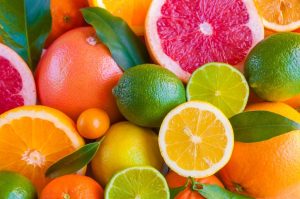
5. Citrus Fruits;
FOODS AND ULCER
Certain patients have reported developing ulcers after consuming citrus fruits like oranges and limes. Individual experiences may differ, and the research linking citrus fruits to ulcers is conflicting. When ingesting citrus fruits, it is advised to take individual tolerance and preferences into account.
6. Chocolates;
Although chocolate is known to upset stomachs and may make them more acidic, its effect on ulcers is less clear. Chocolate consumption is based on personal tolerance and the body’s response to it.It is best to consume it in moderation and to monitor any negative effects.
7. Carbonated Beverages;

FOODS AND ULCER
Carbonated beverages, such as soda and sparkling water, have the potential to exacerbate stomach ulcers by increasing the production of stomach acid. If you have an ulcer, it best to minimize or stay from carbonated beverages. choose non carbonated substitutes such as herbal teas or plain water.
Summary
The purpose of an ulcer diet is to reduce the symptoms of peptic ulcers, stop flare-ups, and stop new ulcers from forming. The bulk of your ulcer diet should consist of bland, easily digested meals.









Turmeric paste benfits. Because of its high curcumin content, turmeric paste—which is mostly formed from turmeric powder, fat (oil/ghee), and black pepper—offers strong anti-inflammatory and antioxidant properties. Reducing joint pain and arthritis symptoms, enhancing skin health (acne/inflammation), increasing immunity, facilitating digestion, and maybe reducing the risk of heart disease are some of the main advantages.
TURMERIC PASTE BENEFITS
The golden-hued spice known for its culinary applications, turmeric, has gained popularity in the field of holistic health as well as in kitchens. Making turmeric paste is one of the inventive methods to use turmeric in your wellness regimen. In order to fully utilize the potential health benefits of this colorful spice, we’ll explore the advantages, applications, and methods for making turmeric paste in this article.
Understanding Turmeric’s Potential
Turmeric, scientifically known as Curcuma longa, has long been utilized in traditional medicine, particularly in Ayurveda and traditional Chinese medicine. Curcumin, the main ingredient in turmeric, is the key to many of its possible health advantages. Strong anti-inflammatory, antibacterial, and antioxidant characteristics are known for curcumin.
The Benefits of Turmeric Paste
1. Anti-Inflammatory Properties:

• The benefits of using turmeric paste to reduce inflammation are well-known. Turmeric paste has the potential to be a natural cure since curcumin has anti-inflammatory properties and chronic inflammation is associated to a number of health issues.
2. Antioxidant Boost:
• The high antioxidant content in turmeric contributes to neutralizing free radicals in the body, providing protective benefits against oxidative stress.
3. Wound Healing:

• Turmeric has been used topically for wound healing. Applying turmeric paste to minor cuts and abrasions may aid in the healing process.
4. Gum Health:
• Turmeric’s antimicrobial properties may benefit oral health. Applying turmeric paste to gums or using it in oil pulling is believed to help combat bacteria and promote gum health.
Making Turmeric Paste at Home
Ingredients:
 – A cup and half of turmeric powder
One cup of water• 1.5 teaspoons of black pepper (to enhance curcumin absorption)• 1/4 cup of coconut oil
Instructions:
1. Mix Turmeric and Water:
• In a pan, combine turmeric powder and water, stirring over low heat until a thick paste forms.
2. Add Black Pepper:
• Incorporate black pepper into the paste, as it enhances the absorption of curcumin.
3. Introduce Coconut Oil:

turmeric paste benefits
• Finally, add coconut oil and continue stirring until well blended. Coconut oil provides healthy fats that further support curcumin absorption.
4. Cool and Store:
• Allow the mixture to cool and transfer it to a jar for storage in the refrigerator. One can store turmeric paste for a couple of weeks.
Creative Ways to Use Turmeric Paste
1. Golden Milk:
• Mix turmeric paste into warm milk, creating the popular “golden milk.” Add honey or a sweetener of your choice for a soothing and nutritious beverage.
2. Smoothies:

turmeric paste benefits
• Blend turmeric paste into your morning smoothie for an antioxidant-rich kick.
3. Topical Applications:
• Apply turmeric paste directly to the skin for wound healing or create a turmeric face mask for a natural skincare remedy.
4. Gum Health:

turmeric paste benefits
• Use turmeric paste for oil pulling or apply it directly to gums to potentially support oral health.
Turmeric paste offers a flavorful and versatile way to incorporate the health benefits of turmeric into your daily routine.. Stay tuned for more updates.
Summary
Even while turmeric is usually regarded as safe, you should speak with a healthcare provider, particularly if you use medication or have underlying medical concerns. Discover the potential of turmeric paste to boost general health and energy and embrace its golden sweetness as a lovely addition to your wellness path.
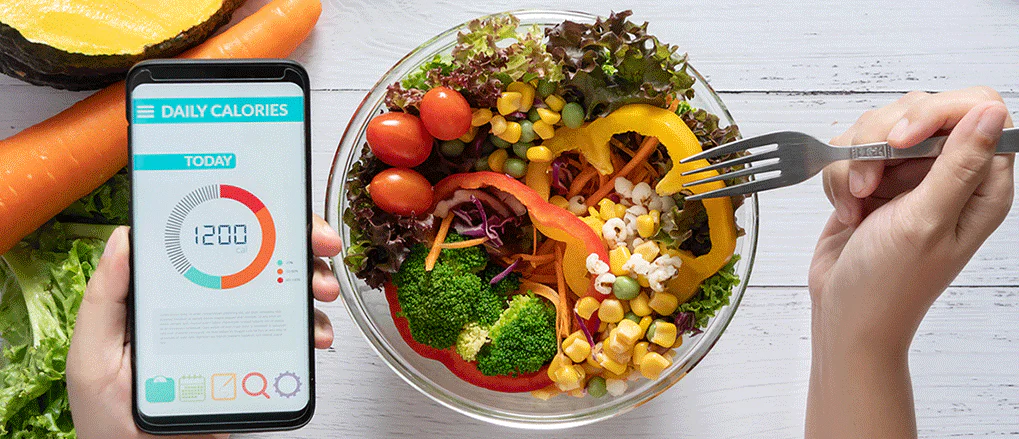
Healthy calories food. food that is high in calories. The best foods for gaining weight are frequently plant and animal protein, fats and oils, complex carbohydrates, and whole-milk dairy products. What you should eat, however, will depend on your specific weight and health goals. For some people, gaining weight or building muscle may be just as difficult as losing weight.
HEALTHY CALORIES FOOD
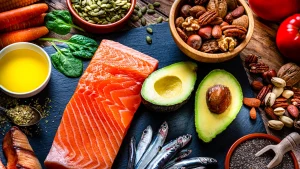
Nuts and nut butters, avocados, full-fat dairy, whole grains (quinoa, oats), olive oil, fatty fish (salmon), dried fruits, eggs, and other foods are rich in calories but high in nutrients. In addition to providing protein, healthy fats, and energy, these foods can help you gain weight without consuming unnecessary calories.
You should aim to consume more calories than you expend over the day by eating smaller, more frequent meals if you want to gain weight. Including specific foods in your diet can help you gain weight in a safe and efficient way by providing extra calories and nutrients, such as protein. You must consume more calories to provide your body the energy it needs to create muscle if you want to acquire weight in the form of lean muscle mass. Approximately 3000 calories a day is a healthy goal. Depending on how many strength-building workouts you are doing, you might need to eat more or less than this.
1. Protein smoothies made at home;
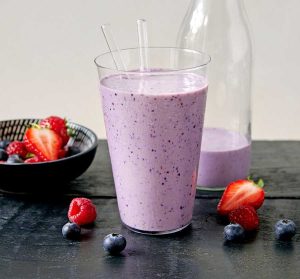
Making protein smoothies at home can be a very healthy and efficient method of gaining weight. You can increase your calorie intake and have complete control over the ingredients when you make your own smoothies.
2. Milk from dairy;
For many years, people have utilized dairy milk to gain weight or grow muscle. Along with being a healthy good source of calcium and other vitamins and minerals, it offers a balance of proteins, carbohydrates, and fats. Milk is a great source of casein and whey proteins, which are both important for muscle growth.
3. Rice;
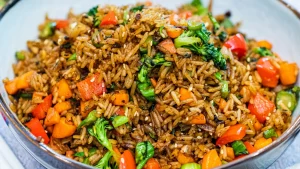
One easy and inexpensive carbohydrate that can be included in a weight-gain diet is rice. 204 calories, 44 g of carbohydrates, and very little fat are included in just 1 cup of cooked white rice. Additionally, rice is fairly calorie-dense, meaning that one serving can provide a significant quantity of calories and carbohydrates. This encourages you to eat more, particularly if you are not particularly hungry or feel satisfied easily.
4. Nut butter with nuts;
Nuts and nut butter are beneficial to a weight-gain diet. One tiny handful 1/4 cup, or approximately 32 g of raw almonds has 15 g of fat, 6 g of protein, and 170 calories. Nuts are high in calories, so even two handfuls eaten as a snack or with a meal each day can quickly accumulate hundreds of calories.
5. Meats that are red;
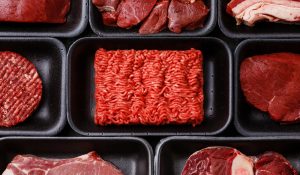
healthy calories food
Red meats, such as beef or pork, are likely among the best foods for growing muscle. For instance, 3 ounces (85 grams) of steak has about 2.5 grams of leucine, 24 grams of protein, and 228 calories. The essential amino acid required by your body to promote muscle protein synthesis and build new muscle tissue is leucine.
6. Complex carbs and Potatoes;
Complex carbs, such as potatoes, are an inexpensive approach to increase calorie intake. Energy can be released steadily from complex carbs. Other dietary groups and nutrients like potassium, fiber, veggies, and whole grains are also provided by them.
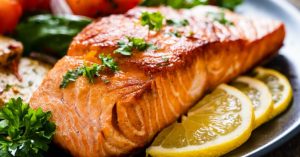
7. Oily seafood and salmon;
healthy calories food
Salmon and oily fish are great providers of protein and essential fats, such as omega-3 fatty acids, just like red meat. Omega-3 fatty acids have several health advantages and may lower the risk of heart disease and other illnesses.
Summary
If you want to try to gain weight, you have to constantly consume more calories than you burn. To make sure the lifestyle changes you make are safe and helpful, think about speaking with a doctor or certified nutritionist before trying to put on weight. Lifting weights allows you to burn more calories to build muscle instead of storing them as fat.
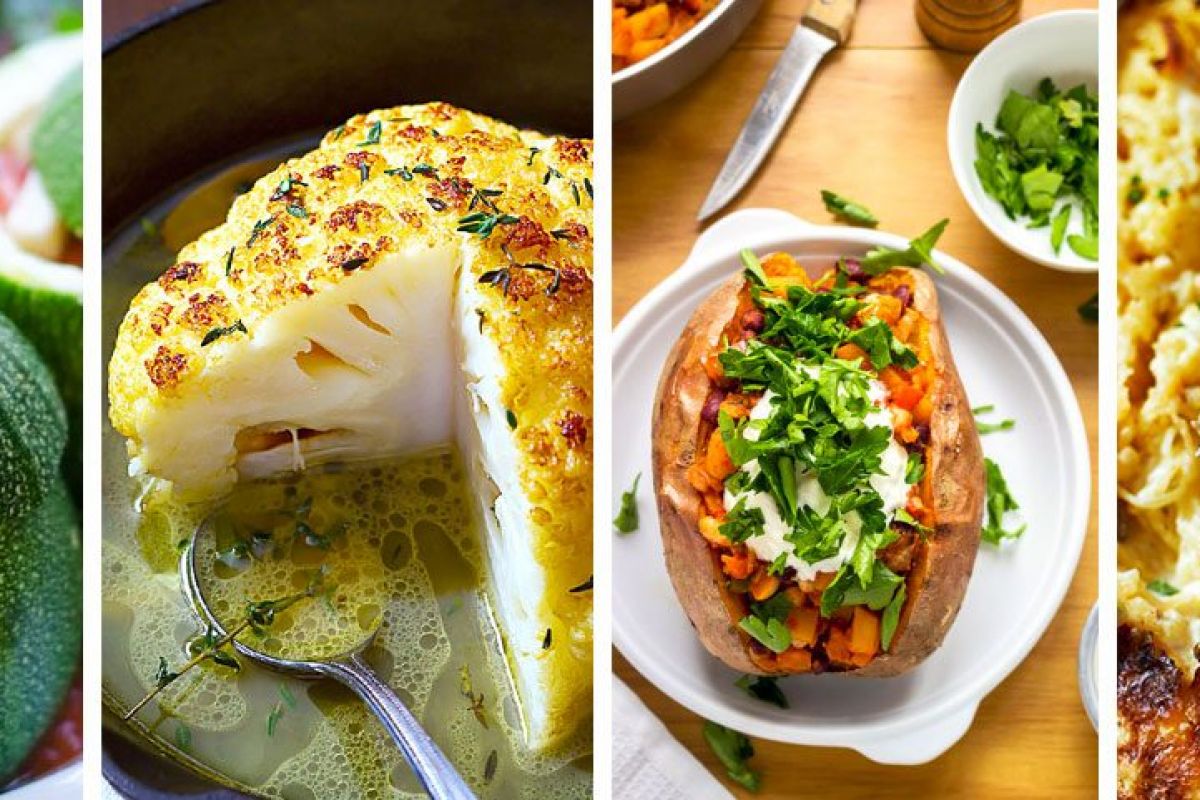
Types of meatless recipes. Check out this delicious collection if you want to incorporate more vegetarian options into your weekly supper routine. Being vegetarian isn’t as hard as you would think, with dishes for tasty grilled kebabs, mac & cheese, and even soft veggie burgers. Even your pickiest eater and most loyal meat lover will be pleased with the variety of options available, and your family will be requesting more meatless meals. The best part, if that isn’t appealing enough, is that the bulk of these recipes are simple and quick to prepare—they can be on the table in less than an hour.
TYPES OF MEATLESS RECIPES
Meatless recipes for you. Take a peek at this delectable selection if you want to add meatless dishes to your weeknight supper rotation. With recipes for flavorful grilled kebabs, mac & cheese, and even soft vegetable burgers, switching to a vegetarian diet isn’t as difficult as you would think. This compilation of simple vegetarian meals is not rabbit food at all. Think of dishes like potato pierogi with sautéed cabbage and apples, tacos with goat cheese, and creamy spaghetti with a smooth pepper and cheese sauce—all of which are quite gratifying. You won’t go hungry after eating these vegetarian dishes, we assure you.
1. Cauliflower Roasted;

This roasted vegetable is elevated with a Creole-mustard-and-honey marinade, and its smoky, citrusy mayo adds more flavor.
2. Fajitas with vegetables;
A thick sauce consisting of smoked paprika, cumin, Worcestershire sauce, and ketchup is used to glaze peppers, onions, and portobello mushrooms. You may have a nice vegetarian supper by putting this meatless filling inside warm tortillas and garnishing them with sour cream.
3. Pasta in a skillet;

This takes the traditional Italian pasta dish and adds cherry tomatoes, peas, and asparagus along with basil. However, this recipe is as versatile as it is tasty, so feel free to substitute other vegetables if you have them.
4. Salad with Farro;
Fresh vegetables and nutritious whole grains abound in this vibrant salad. Pearled or whole farro (or another grain) can be used, though whole farro will cook a bit slowly.
5. Pasta with French onions;
This recipe, which only requires one pot, blends pasta and traditional soup to create a dish that is so hearty that you won’t even miss the meat. You can use veggie broth in place of the beef broth to make the dish.
6. Rice casserole with okra;
You can’t go wrong when you combine two Southern favorites into a casserole. A combination of bell pepper, celery, tomatoes, onion dances with a generous amount of okra.
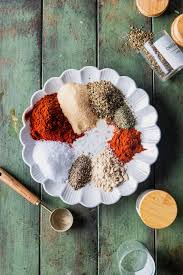
7. The Cajun seasoning and garlic;
TYPES OF MEATLESS RECIPES
This give everything a nice flavor, and the rice serves as a vehicle for soaking up the comforting broth.
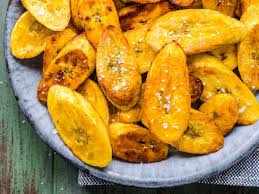
8. Cuban Rice Bowls with Black Beans and Yellow;
Purchase black plantains or allow it to ripen before cooking, since they are ready to cook when their peels turn black on the exterior.
9. Heat-and-serve frozen plantains;
TYPES OF MEATLESS RECIPES
These are also available at several supermarkets. The plantains add a sweet crunch to this dish, which you will love.
Summary
Changing up your weekly dinners to these easy vegetarian supper options can not only increase your intake of nutrient-dense vegetables but also reduce your grocery expenses. In partnership with Coles, we are happy to offer this gallery.

Airline Travellers and Baggage Allowances

First Time Travellers and Airline Policies

Plane Tickets Relevance

A Step-by-Step Guide to Deleting Reels on Instagram

How to Create a WhatsApp Group