Fruits
Fruits for your Sight


Fruits for your sight. It should come as no surprise that your diet has an impact on your health. But when it comes to food planning, a lot of people overlook eye health. You should incorporate as many fruits and vegetables as you can into your daily diet since they contain a variety of nutrients that are good for your eyesight and overall health.
Together with beta-carotene and vitamin A, they help shield your eyes from diseases like cataracts and macular degeneration. Packed with essential vitamins, antioxidants, and other nutrients, these fruits can help protect your eyes from age-related conditions and promote optimal vision.
FRUITS FOR YOUR SIGHT
Speaking of beta-carotene, it is a naturally occurring substance that can be found in red and orange foods such as orange carrots and sweet potatoes. When necessary, your body transforms this into vitamin A. This is crucial because excessive amounts of vitamin A, which is present in supplements, can be harmful. Maintaining good eyesight is crucial for overall well-being, and incorporating certain fruits into your diet can be a delicious way to support eye health.
Below are fruits renowned for their beneficial effects on eyesight Include:
1. Carrots

FRUITS FOR YOUR SIGHT
Carrots are rich in beta-carotene, a precursor of vitamin A, which is essential for good vision. Vitamin A helps maintain the health of the cornea and supports night vision.
2. Oranges
Oranges are loaded with vitamin C, an antioxidant that helps protect the eyes from damage caused by free radicals. Vitamin C also supports the health of blood vessels in the eyes.
3. Strawberries

These juicy berries are packed with vitamin C and other antioxidants, including flavonoids and phenolic compounds, which contribute to eye health by reducing the risk of cataracts and macular degeneration.
4. Blueberries
Blueberries are renowned for their high levels of anthocyanins, antioxidants that have been linked to improved night vision and reduced risk of cataracts and glaucoma.
5. Kiwi
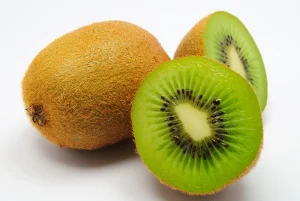
Kiwi is a powerhouse of vitamin C and lutein, both of which play crucial roles in maintaining healthy vision. Lutein helps filter harmful blue light and protects the eyes from oxidative damage.
6. Grapes
Grapes contain resveratrol, a potent antioxidant that may help protect the retina from age-related damage and improve overall eye health. Additionally, grapes are rich in vitamin C and other flavonoids.
7. Papaya
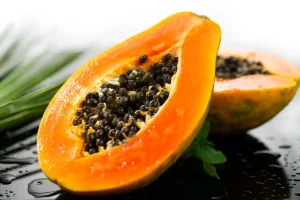
Papayas are high in lutein, beta-carotene, and vitamin C—all of which are good for your eyes. The body transforms beta-carotene into vitamin A, which aids in the retina’s ability to produce pigments necessary for vision.
8. Mangoes

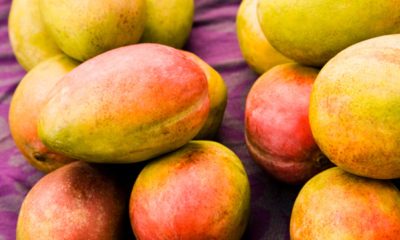
Mangoes are packed with vitamin A, vitamin C, and beta-carotene, making them an excellent choice for promoting healthy vision and reducing the risk of eye diseases. Incorporating these nutrient-rich fruits into your diet on a regular basis can help nourish your eyes and preserve your vision as you age. Whether enjoyed fresh, blended into smoothies, or added to salads. These fruits offer a delicious way to support your eye health naturally. Remember to maintain a balanced diet and consult with a healthcare professional for personalized dietary recommendations tailored to your specific needs.
Summary
Vitamin-rich foods, such as berries (strawberries, blueberries) and citrus fruits (oranges, lemons, grapefruit), promote eye health by supplying antioxidants like vitamin C, which guard against age-related diseases including cataracts and macular degeneration. While papayas offer vitamin E, an antioxidant that shields eye cells, orange fruits like mangoes and apricots are rich in beta-carotene, a type of vitamin A that aids in night vision.


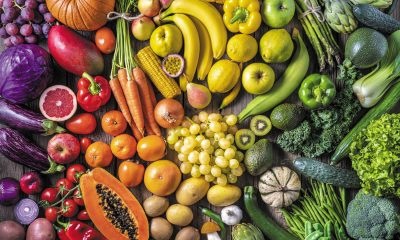

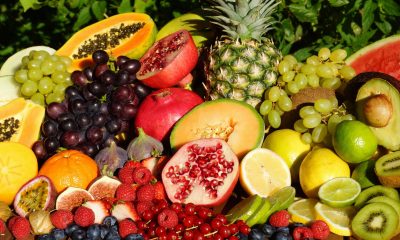






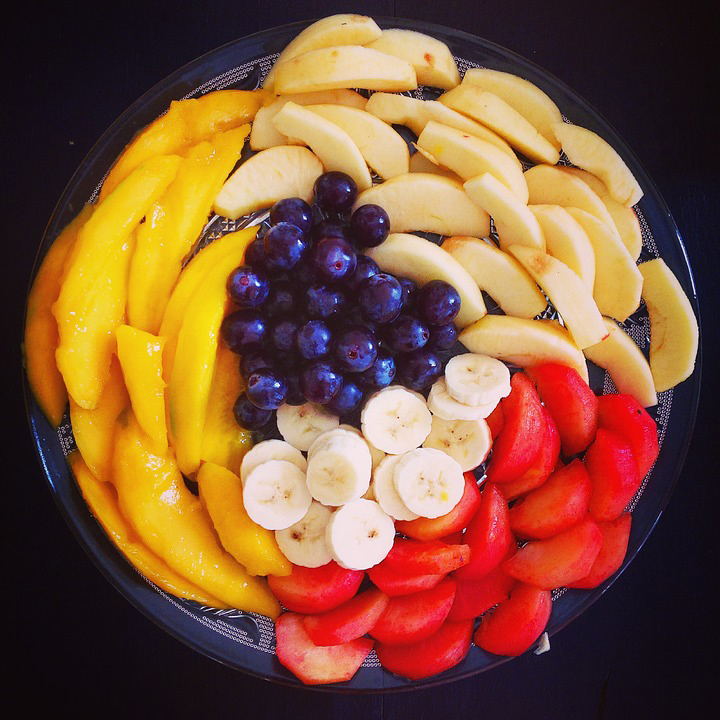

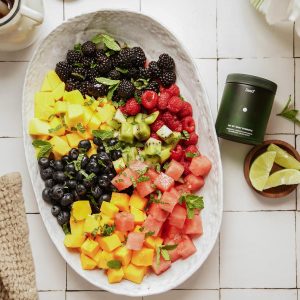
Health relevance of fruits salad. It is a meal made with a variety of fruits, occasionally served with a liquid, such as a syrup or juice. Fruit salad can be served as a side salad or as an appetizer in a variety of ways. Sometimes a fruit salad is referred to as a fruit cup (when served in a small container) or a fruit cocktail (which frequently refers to a canned product). Fruit salads come in a variety of forms, from simple (no marshmallows, nuts, or dressing) to moderately sweet (Waldorf salad) to sweet (ambrosia salad). Jello salad is another fruit-based “salad” that comes in a variety of forms. In the United States, a fruit cocktail is characterized as a well-distributed blend of small diced bits of grapes, peaches, pears, and pineapple.
HEALTH RELEVANCE OF FRUITS SALAD
Fruit salad is very important for health because it provides vital vitamins, minerals, fiber, and antioxidants that improve immunity, digestion, hydration, and heart health. It also provides a naturally sweet, low-calorie substitute for processed sugars, which helps control weight and lower the risk of chronic illness.
The Background;

Also, historians claim that fruit salads were a huge favorite of the ancient Greeks and Romans. Over time, salads have become more and more intricate, and today there are many different kinds of fruit salads. Compote is one of the oldest fruit salads, having originated in England in the 17th century.
Health benefits;
Meanwhile, health benefits of eating Fruit salad. it provides all the healthy components found in each fruit because it is made up of a variety of fruits. Because of this, fruit salads are healthier than those made with just one fruit. Fruit salad has several health advantages, including;
1. Encourages weight loss;

HEALTH RELEVANCE OF FRUITS SALAD
Although, fruits have no calories and are mostly made of water. Thus, this makes it a fantastic choice for those who wish to reduce weight.
2. Elevates fiber level;
Also, the majority of fruits are high in fiber, which is an essential component of our diet.
3. Increase the level of folic acid;

HEALTH RELEVANCE OF FRUITS SALAD
However, we need folic acids for healthy red blood cells.
4. Promotes a level of energy;
Meanwhile, people who exercise tend to consume more fruits because most of them have vitamins that can increase energy levels.
5. Supplies vitamins and minerals;
HEALTH RELEVANCE OF FRUITS SALAD
However, almost all of the vitamins and minerals your body needs daily may be found in a standard fruit salad.
Summary
This is advantageous to all of us and has grown in popularity. The tasty fruit salad would be anyone’s first choice for a healthy snack. There are many different types of this, and the sweetness varies based on the syrups and toppings that are added. Fruit salads are enhanced by the use of seasonal fruits.
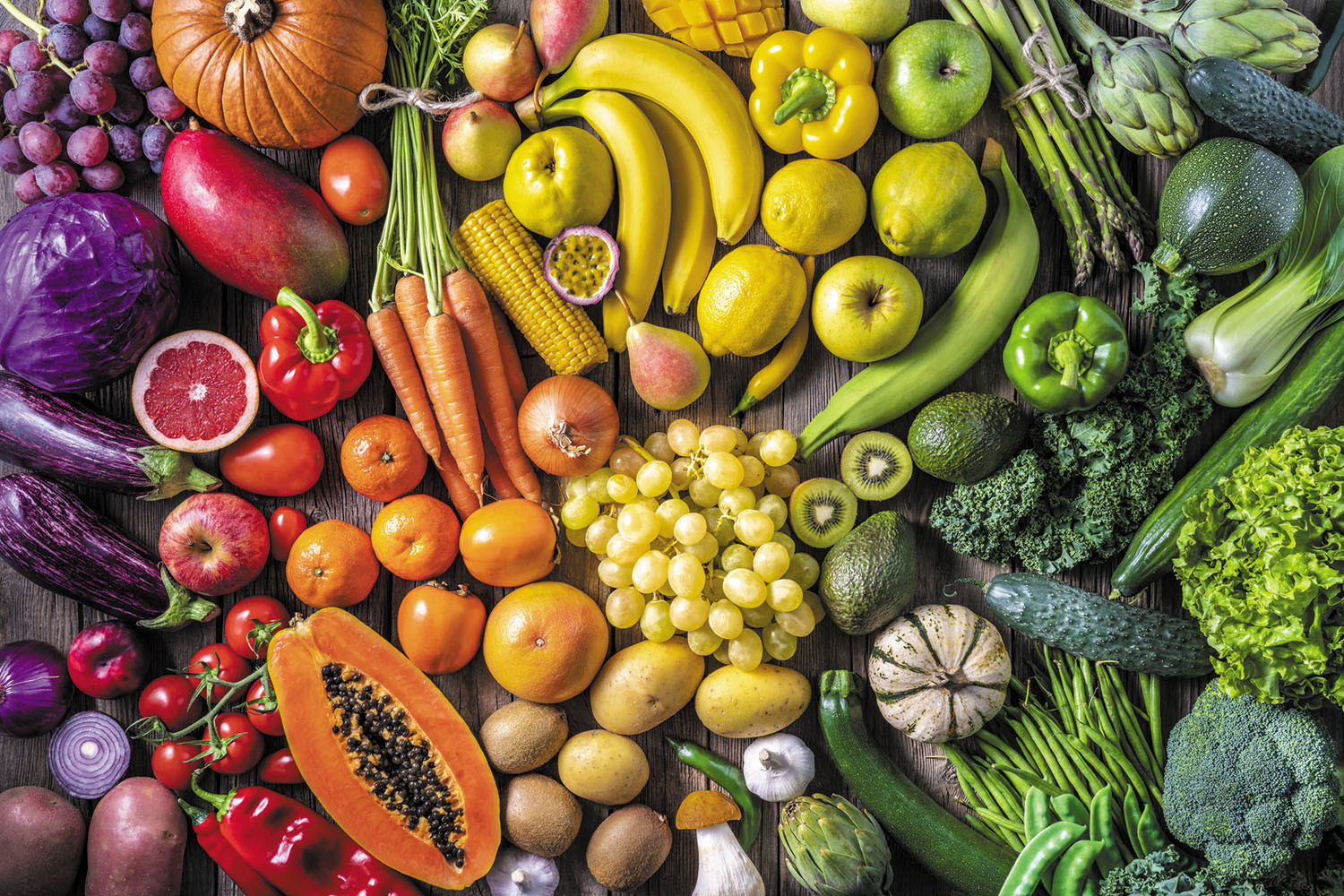
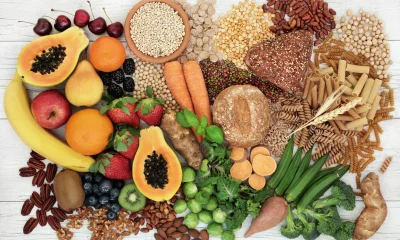
Vegetables and fruits. Packed with vitamins, minerals, fiber, and antioxidants, and vegetables are vital plant-based foods that promote healthy weight, digestion, and blood sugar levels while preventing diseases like diabetes, cancer, and heart problems. Although some “veggies” like tomatoes and cucumbers are actually fruits, fruits—like apples and berries—develop from blooms and contain seeds, whereas vegetables—like carrots and spinach are roots, stems, leaves, or flowers. To obtain a wide range of nutrients, strive for daily variation in color and type.
VEGETABLES AND FRUITS
Because of their nutrient density and low fat/sodium content, they are rich in vitamins, minerals, fiber, and antioxidants that dramatically reduce the risk of heart disease, stroke, certain types of cancer, and type 2 diabetes. They also promote healthy weight, digestion, blood pressure, blood sugar, skin, eyes, and a stronger immune system.
When they are in season, they are best purchased. If not, consider using canned or frozen veggies, which are equally nutrient-dense and cost-effective. A minimum of five servings of vegetables and two servings of fruit should be consumed daily. Select several hues.
Importance;
vegetables and fruits
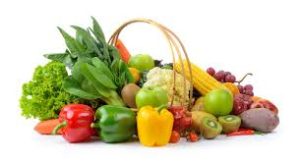
1. Vitamins and minerals are abundant in fruits and vegetables. Nothing is more nutrient-dense than fruits and vegetables, which are a great source of folic acid, magnesium, zinc, phosphorus, and the vitamins A, C, and E. Eat lots of avocados, sweet potatoes, bananas, prunes, and even pureed tomato sauce if you’re looking to increase your intake of potassium, one of the most vital elements.
2. You get to enjoy a variety of flavors and textures. With all their unique and interesting flavors, plant-based foods let you get creative in the kitchen. You can try strong flavors like onions, olives, and peppers.
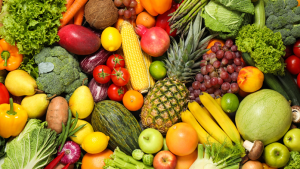
vegetables and fruits
3. A ton of fiber—a ton of fiber. Although some have more fiber than others, most fruits and vegetables have enough to keep you full and improve intestinal health. other important of vegetables and fruits include;
4. They have little fat and few calories.
5. minimal in cholesterol and salt. Trace levels of salt are present in it.
6. Any type of food—fresh, frozen, canned, or dried—is nutrient-dense. Whether you choose to consume fresh fruits and veggies or not, there aren’t many nutritional differences between frozen, canned, or dehydrated foods. In actuality, the nutritional value of the majority of canned and frozen goods is rapidly locked in since they are processed within hours of harvest.
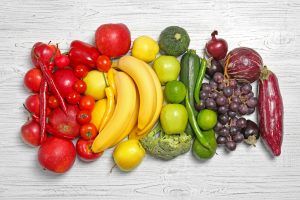
6. Easy, quick, and convenient. For the most part, fruits and vegetables don’t require packaging, unlike granola bars or crackers.
Summary
They should make up a significant portion of your daily diet. They include vitamins and minerals that can promote your health and are naturally nutritious. Additionally, they might help prevent some diseases. Most Australians will benefit from eating more of it as part of an active lifestyle and a healthy, balanced diet. There are many different types, and there are many ways to prepare, cook, and serve them.
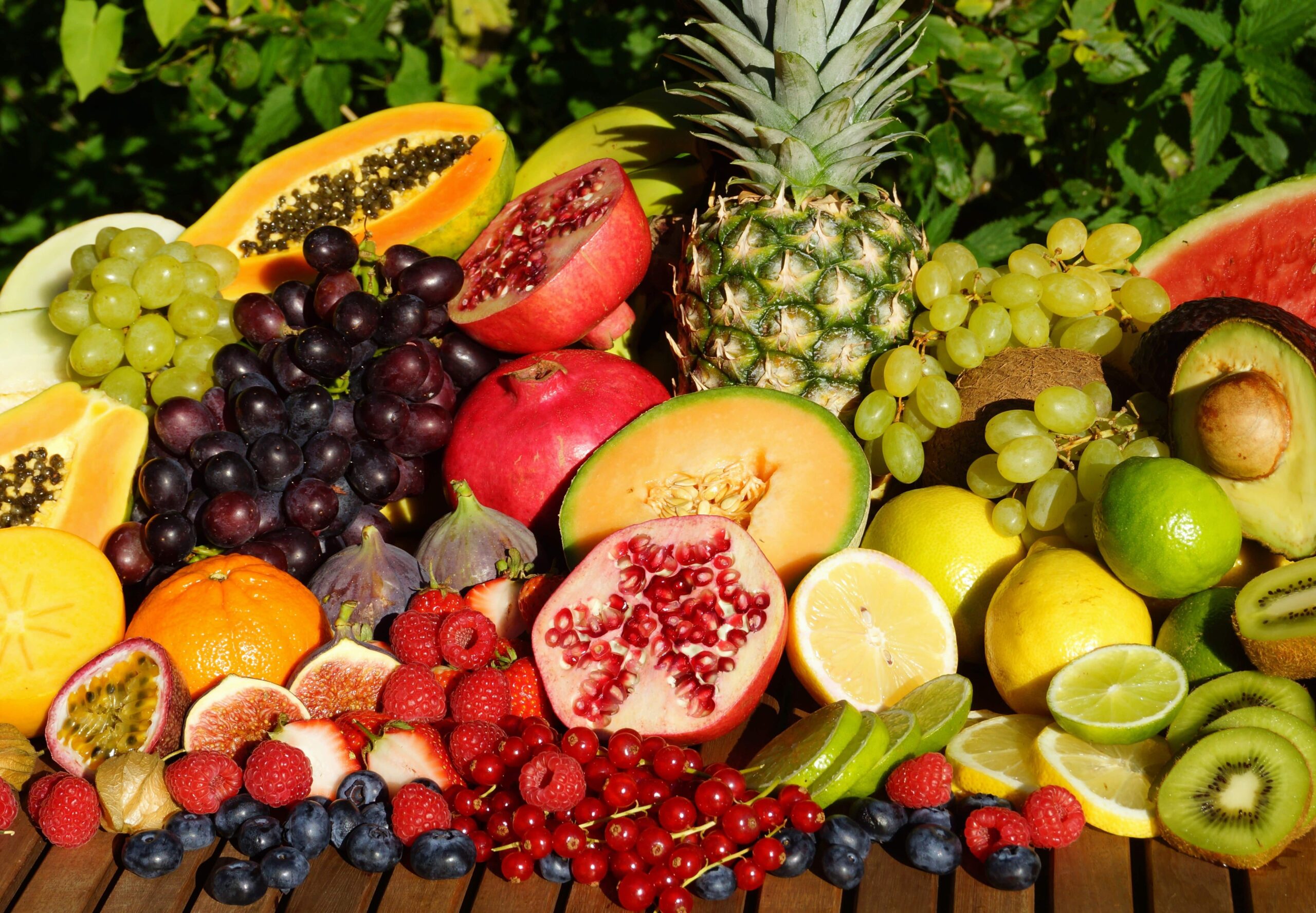
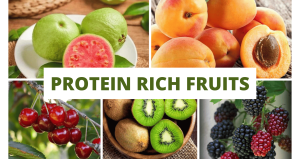
Best proteinous fruits. Incorporating these protein-rich fruits into your diet can help you satisfy your nutritional needs while enjoying their various flavors and health benefits. Guava, avocado, apricots, kiwi, blackberries, and bananas offer a high quantity of protein along with a plethora of vitamins, minerals, and antioxidants. You may improve your overall diet and promote your health in a number of ways by incorporating a range of these fruits into your meals and snacks.
BEST PROTEINOUS FRUITS
While fruits are normally recognized for their vitamins, minerals, and fiber, some can provide a surprising amount of protein. You may achieve your daily protein needs by include these high-protein fruits in your diet, particularly if you’re on a plant-based diet. here are the top fruits that are high in protein:
1. Guava;

Guava stands out as one of the highest protein-containing fruits. A single cup of guava can provide around 4.2 grams of protein. Besides its protein content, guava is also rich in dietary fiber, vitamin C, and antioxidants, making it a superfood that supports overall health.
2. Avocado;
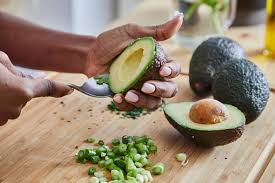
Avocados are well-known for their healthy fats, but they are also a good source of protein. A medium-sized avocado contains about 3 grams of protein. Additionally, avocados are packed with heart-healthy monounsaturated fats, fiber, potassium, and vitamins E, K, and B6.
3. Apricots;
BEST PROTEINOUS FRUITS
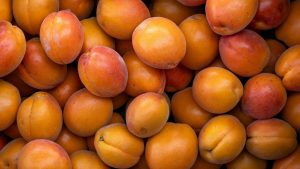
Dried apricots are particularly high in protein, with about 2.2 grams of protein per cup. Fresh apricots also provide protein, though in smaller amounts. Apricots are a great source of vitamins A and C, potassium, and dietary fiber, contributing to good vision, skin health, and digestion.
4. Kiwi;
Kiwi is another fruit that offers a decent amount of protein, providing about 2.1 grams per cup. It is also rich in vitamin C, vitamin K, vitamin E, folate, and dietary fiber. Kiwi’s high antioxidant content helps combat oxidative stress and boosts the immune system.
5. Blackberries;
BEST PROTEINOUS FRUITS
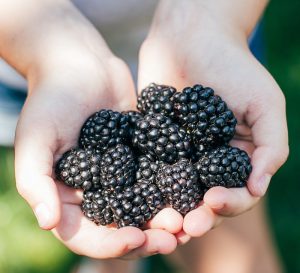
Blackberries are not only delicious but also nutritious, offering about 2 grams of protein per cup. They are loaded with vitamins C and K, fiber, and a variety of antioxidants, which help protect the body against inflammation and chronic diseases.
6. Bananas;

BEST PROTEINOUS FRUITS
Bananas, while primarily known for their high potassium content, also provide about 1.3 grams of protein per medium-sized fruit. They are a convenient snack and can be easily added to smoothies, oatmeal, or yogurt. Bananas are also rich in vitamins B6 and C, and provide energy-boosting carbohydrates.
Summary
With more protein per serving than other fruits, guava, avocado, jackfruit, passion fruit, and blackberries are the highest protein fruits. While no fruit is a primary protein source, these alternatives offer small levels of protein along with fiber, vitamins, and other nutrients to supplement a balanced diet.

AI and the Future

Essence of Time Management

Personal Finances

A Step-by-Step Guide to Deleting Reels on Instagram

How to Create a WhatsApp Group