Exercise
Full Body Workout


Full body workout. They served as the basis for the lean muscle mass of many notable bodybuilders. They are successful because they only let you train hard three days a week. Most people can recover between training sessions as best they can with this kind of programming. They are ideal for all skill levels. Full-body workouts are ideal for beginners. Intermediates will keep seeing advancements toward their objectives.
FULL BODY WORKOUT
The best method to achieve this is to incorporate complex exercises into your training. Multi-joint movements are necessary for compound exercises in order to reach the full range of motion. As a result, individuals use more muscles to function, which increases muscular stimulation and calorie burn.
What Are Bodyweight Exercises?

Exercises using only your bodyweight can help you gain strength and fitness without the need for extra weights. They frequently require no additional equipment at all. These exercises are simple to perform anywhere—at home, at the gym, or over your lunch break—because they emphasize utilizing only your own body weight to push your muscles.
1. Dumbbell Overhead Press;
How to do it:
- With your hands facing each other, hold a dumbbell in each hand slightly outside of your shoulders.
- When you reach a perfectly straight arm position, press the weights straight overhead.
- Lower them back down gradually
2. Dumbbell Lunges;

FULL BODY WORKOUT
Lunges with dumbbells are a great lower body workout that have several health benefits. These exercises are an excellent illustration of a functional fitness program since they are challenging and practical at the same time because they mimic human movement patterns. The large muscular areas in front of your thighs called quadriceps are most affected by dumbbell lunges. Your quadriceps, which are highly stimulated muscles that support and propel your body, are activated when you step forward into a lunge.
3. Dumbbell Bench Press;

FULL BODY WORKOUT
A traditional chest exercise that has withstood the test of time, the dumbbell bench press is a staple in any strength training or bodybuilding program. Because it works so effectively at building the pectoralis major, the big muscle group in the chest, its popularity is well-deserved. But this workout does more than just tone your chest; it has other advantages as well. The dumbbell bench press actively works the triceps, which are the muscles at the back of your upper arms, in addition to the chest. Because of this simultaneous involvement, the exercise is an effective way to build arm size and strength
4. Dumbbell Deadlift;

FULL BODY WORKOUT
One of the best full-body workouts is the dumbbell deadlift, which is well known for its ability to increase muscular mass, strength, and power. This amazing exercise program covers a wide range of main muscle groups, making it an extremely comprehensive workout. Your posterior chain which includes your back, glutes, and legs, particularly the hamstrings and quadriceps is the main target, providing a strenuous lower-body exercise
5. Goblet Squats;

FULL BODY WORKOUT
The Goblet Squat, a cornerstone of strength training and body conditioning, is a highly effective lower-body exercise that engages multiple muscle groups simultaneously. Its beauty lies in its simplicity and efficiency, making it an integral part of many workout routines. This compound exercise predominantly works your quadriceps, the muscles at the front of your thighs.
Summary
Additionally, skilled lifters will be able to hold onto their size and gradually expand on their current base.
Five of the most crucial exercises to incorporate into your full body training regimen will be covered in this article.



Tips for Hiking. It is one of the best activities in the vast outdoors. The country’s more than 400 national parks offer a variety of hiking choices. Whether you are hiking alone or in a group, be sure to follow the written and unwritten rules of the path. Appropriate hiking behavior promotes respect for other route users and environmental management. The “golden rule,” which argues that you should treat people as you would like to be treated, is the finest advise for hiking.
TIPS FOR HIKING
Walking on natural routes, trails, or unpaved tracks in the countryside or woods is known as hiking. While long-distance or backpacking journeys need several days, day hikes only last a few hours. It lessens stress, increases strength, and enhances heart health.
This is an outdoor recreational activity that involves walking through natural settings. Additionally, it is a type of physical activity and exercise that enhances well-being and health.
Hiking Code Edition;

1. Recognize your rights. Make sure you follow the proper right-of-way yields and consult the trail’s signage before trekking. These are the main rules for yielding on trails; signs may differ depending on the park.
2. Introduce yourself. Give a kind “hello” or a straightforward head nod to other walkers and trail users that you come across. This contributes to the pleasant vibe along the trail. When approaching a fellow hiker from behind, make sure to declare your presence in a composed and kind manner and inform them of your intention to pass.
3. Remain on the path. When surrendering, don’t stray off the path unless it is necessary. Going off route might harm the surrounding ecosystems and cause the extinction of some plant and animal species.

Tips for Hiking
4. Avoid upsetting the wildlife. You need your space, and they need theirs. When you come across wildlife, keep your distance from it.
5. Give listening some time. When trekking in the vast outdoors, allow the natural world to speak for itself.
Summary
Starting on simple routes, packing extra water, wearing comfortable trail runners, and informing someone of your schedule before setting out are all crucial hiking advice.
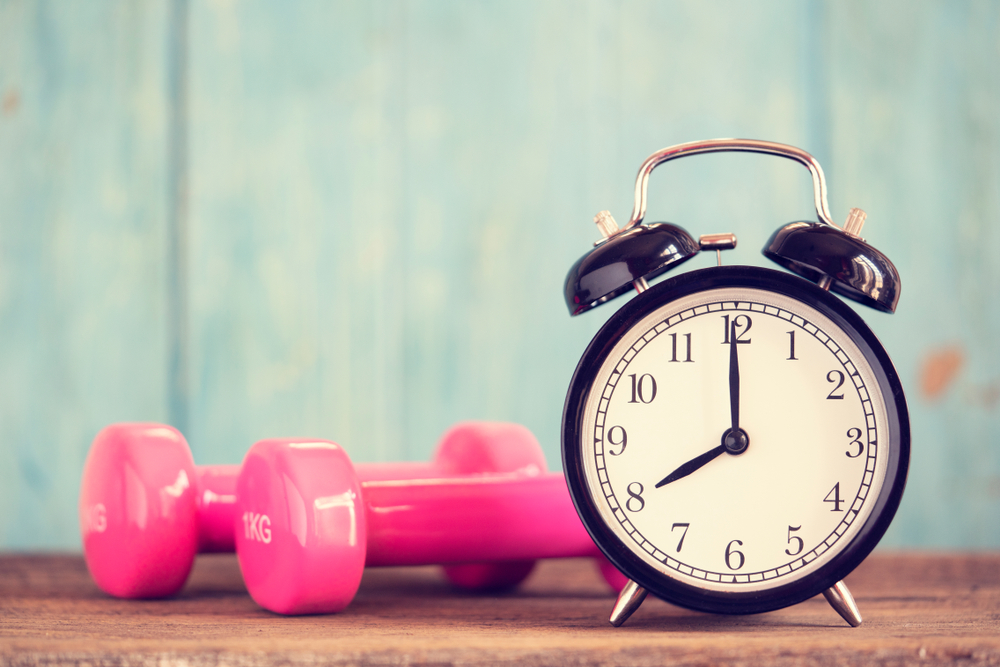
Work Out Time. Our busy schedules may make it difficult to find time for exercise. It can be difficult to find time to squeeze working out in between a hard job, a social life, and binge-watching the newest Netflix marathon, even though we know that it is crucial for our health and wellbeing. However, knowing that coming to the gym at particular times will help us fully achieve our fitness goals might lighten our already hectic schedules.
WORK OUT TIME
Subtract your start time from your end time to determine the precise length of your workout. Use specialized tools, such as the Calculator Soup Hours Calculator, to automatically calculate totals, subtract breaks, and format your timesheets for more complicated schedules.
Best Time for work out;

Morning physical activity: “Exercising in the morning can help boost your metabolism and energy levels throughout the day and be a great way to establish. Workouts in the afternoon: “Doing an afternoon workout can help relieve stress after a long day.” “Plus, body temperature and muscle flexibility tend to peak in the late afternoon making it a good time for more intense workouts.” Exercise in the evening: Exercising in the evening can help you relax and release tension from the day.
Types;
1. Cardiovascular Work You’re breathing and heart rate will increase during aerobic activity, which is beneficial for numerous bodily processes. It improves endurance and works your heart and lungs.

Work Out Time
2. Strength exercises We lose muscle mass as we age. It is rebuilt through strength training. Regular strength training will help you feel more confident and capable of daily tasks like carrying groceries, gardening, and lifting heavier objects around the house.
3. Extending Maintaining flexibility can be achieved through stretching. We frequently forget that when we are younger our muscles are healthier. However, the aging process causes the muscles and tendons to become less flexible.

Work Out Time
4. exercises for balance You feel more stable on your feet and can avoid falls if you can improve your balance. It becomes increasingly crucial as we age because our vision,
Summary
“Work out” can signify a few different things. It could be exercising, figuring out a math issue, fixing a problem, or seeing a plan through to completion.
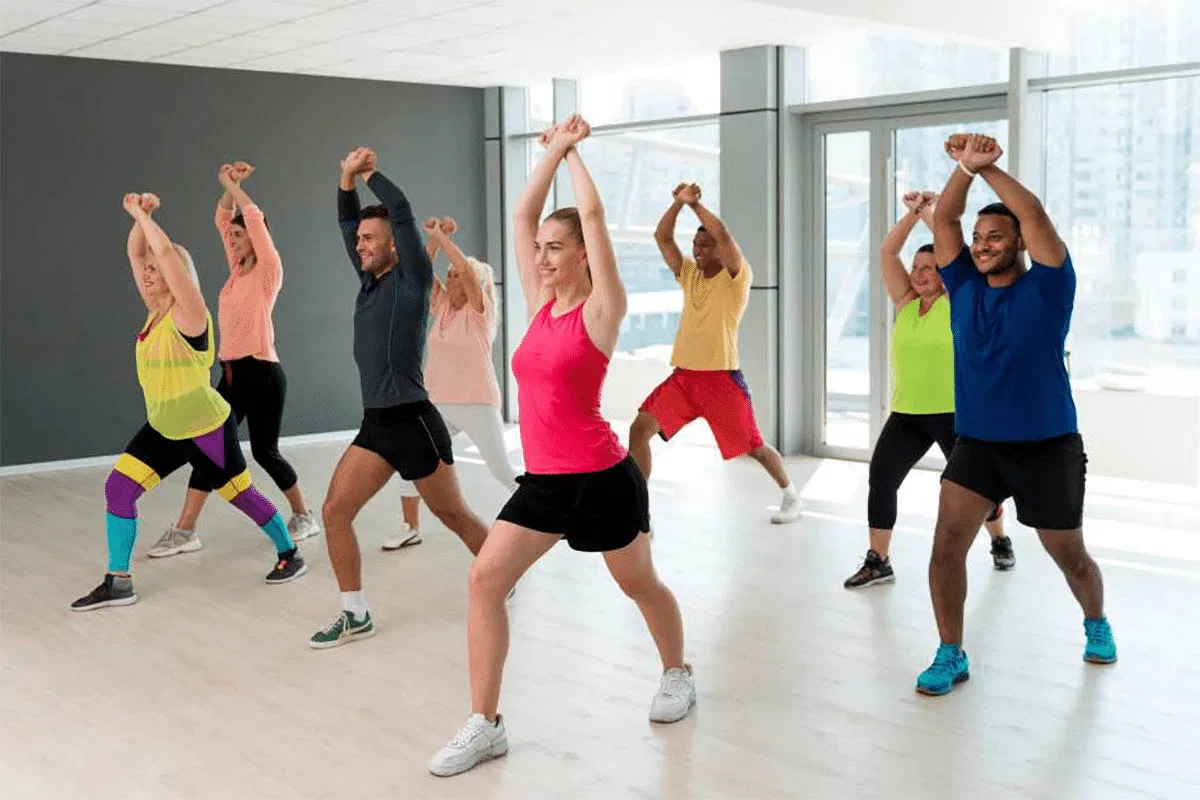
Aerobic Exercise Tips. Often known as cardiovascular or cardio exercise, is any type of physical activity that works your big muscle groups while raising your heart rate and respiration. Walking, running, swimming, and cycling are a few examples. Maintaining cardiovascular health, increasing stamina, and promoting general wellbeing all depend on regular aerobic exercise.
AEROBIC EXERCISE TIPS
One of the easiest and most accessible cardio activities is walking. To fit your level of fitness, you can adjust the intensity. While jogging is slower than running, it is faster than walking. Jogging is not advised if you have an injury because it puts greater strain on your joints than walking.
Benefits;
Aerobic exercise strengthens the heart muscle, improving its efficiency and reducing the risk of heart disease.
2. Boosts Endurance: Regular cardio workouts enhance your stamina and energy levels, making everyday tasks easier.
3. Supports Weight Management: Aerobic activities burn calories and can aid in weight loss or maintenance when combined with a healthy diet.
4. Enhances Mood:

Exercise releases endorphins, which can elevate your mood and reduce symptoms of anxiety and depression.
Tips for Effective Aerobic Exercise
1. Choose Activities You Enjoy: Whether it’s dancing, hiking, or biking, picking an activity you find fun increases the likelihood of sticking with it.
2. Start Slow: If you’re new to exercise, begin with shorter sessions and gradually increase the duration and intensity as your fitness improves.
3. Warm Up and Cool Down:

Aerobic Exercise Tips
Begin each session with a warm-up to prepare your body and end with a cool-down to help with recovery and flexibility.
4. Mix It Up: To prevent boredom and target different muscle groups, incorporate a variety of aerobic activities into your routine.
5. Stay Consistent: Aim for at least 150 minutes of moderate-intensity aerobic exercise or 75 minutes of vigorous-intensity exercise per week, as recommended by health guidelines.
How to Get Started;

Aerobic Exercise Tips
1. Set Goals: Define what you want to achieve, whether it’s improved fitness, weight loss, or stress reduction. Setting clear goals helps you stay motivated.
2. Create a Schedule: Plan your workouts around your daily routine. Consistency is key, so find a time that works best for you.
3. Monitor Intensity:

Aerobic Exercise Tips
Use a heart rate monitor or perceived exertion scale to ensure you’re working within your target heart rate zone for optimal benefits.
4. Stay Hydrated: Drink plenty of water before, during, and after exercise to stay hydrated and support performance.
5. Listen to Your Body: Pay attention to how your body responds to exercise and make adjustments as needed to prevent injury.
Summary
Your health and quality of life can significantly improve if you incorporate aerobic exercise into your regular routine. You may develop a long-lasting fitness habit and enjoy the many advantages of a heart-healthy lifestyle by using these suggestions and discovering fun hobbies.

Music Recording Apps for Phones

Review of Bandlab Music App

N-Track Studio Review

A Step-by-Step Guide to Deleting Reels on Instagram

A Comprehensive Guide to Setting Up a YouTube Premiere