Health
Health and pathogens

Health and pathogens. Microorganisms known as pathogens, which include bacteria, viruses, fungi, parasites, and prions, are responsible for infectious diseases through host invasion, immune system evasion, and replication. They can cause anything from simple colds to deadly infections, and they are usually spread by contact, bodily fluids, or airborne particles. Handwashing, immunization, and safe food handling are important defenses.
HEALTH AND PATHOGENS
By infiltrating a host and causing cell damage, pathogens—also referred to as germs—cause illnesses in people, animals, and plants. The main categories include viruses, bacteria, fungus, and parasites (such as helminths and protozoans). They are responsible for illnesses ranging from the common cold and food poisoning to catastrophic infections like TB Pathogens, though invisible to the naked eye, wield immense power over our health and well-being. Understanding these microscopic threats is crucial in combating infectious diseases and safeguarding public health.
What Are Pathogens?
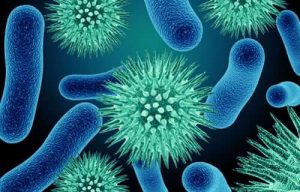

Pathogens are microorganisms, including bacteria, viruses, fungi, and parasites, that cause disease in humans, animals, and plants. These tiny invaders have evolved various mechanisms to survive and thrive within their hosts, often exploiting vulnerabilities in the immune system to establish infections.
Types of Pathogens;
1. Bacteria: Single-celled organisms that can cause a range of infections, from minor skin infections to life-threatening illnesses like pneumonia and meningitis.
2. Viruses: Genetic material wrapped in a protein coat, viruses hijack host cells to replicate and spread, causing diseases such as influenza, HIV/AIDS, and COVID-19.
3. Fungi:
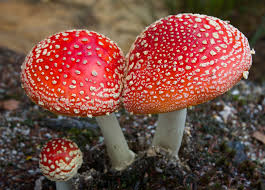

Microscopic organisms that can cause superficial infections like athlete’s foot or more serious systemic infections in immunocompromised individuals.
4. Parasites: Organisms that live on or inside a host and rely on it for nourishment. Parasitic infections include malaria, giardiasis, and tapeworm infestations.
How Pathogens Spread;
Pathogens spread through various means, including:
– Direct Contact: Through physical contact with an infected person, animal, or contaminated surface.
– Airborne Transmission:
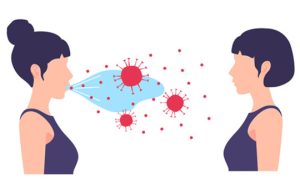

Inhalation of respiratory droplets expelled by coughing or sneezing.
– Waterborne Transmission: Consumption of contaminated water or exposure to waterborne pathogens through recreational activities.
– Vector-Borne Transmission: Transmission through vectors such as mosquitoes, ticks, and fleas, which carry and transmit pathogens to humans.
Impact on Health
Pathogen can cause a spectrum of diseases, ranging from mild infections to severe, life-threatening conditions. They contribute significantly to the global burden of disease, affecting individuals, communities, and entire populations. The emergence of antibiotic-resistant bacteria and new infectious diseases underscores the ongoing challenge posed by pathogens to public health systems worldwide.
Prevention and Control

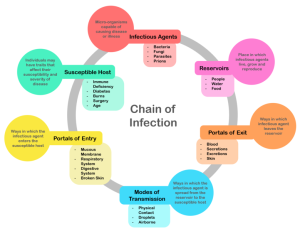
Health and pathogens
Preventing the spread of pathogen requires a multifaceted approach, including:
– Vaccination: Immunization programs help prevent infectious diseases by stimulating the body’s immune response to specific pathogens.
– Hygiene Practices: Regular handwashing, proper sanitation, and food safety measures can reduce the transmission of pathogen.
– Vector Control: Measures to control vectors, such as insecticide-treated bed nets and environmental management, help prevent vector-borne diseases.
– Antimicrobial Stewardship:


Health and pathogens
Responsible use of antibiotics and antiviral medications helps mitigate the development of antimicrobial resistance.
Summary
We can better defend ourselves and future generations against the invisible but powerful enemies known as infections by implementing efficient public health policies and encouraging scientific research and innovation.