Health
How to alleviate body pain

How to alleviate body pain. Many people in today’s fast-paced society suffer from varied degrees of body discomfort as a result of things like stress, bad posture, physical activity, or underlying medical issues. A rising number of people are using holistic techniques that address both the physical and emotional components of pain management, even while drugs and traditional treatments can offer short-term relief.
HOW TO ALLEVIATE BODY PAIN
This essay will examine the efficacy of relaxation techniques in reducing discomfort and dig into the topic of holistic pain therapy. People can alleviate physical discomfort and enhance their general health and vigor by comprehending the mind-body link and practicing relaxation techniques. Using relaxation techniques to reduce body pain can provide relief and enhance general wellbeing.
1. Deep Breathing:
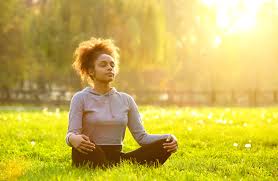

Deep breathing exercises involve taking slow, deep breaths through the nose, allowing the abdomen to expand fully, and then exhaling slowly through the mouth. This technique promotes relaxation by activating the body’s parasympathetic nervous system, which helps reduce stress and tension. Deep breathing can also increase oxygen flow to the muscles, promoting healing and alleviating pain.
2. Progressive Muscle Relaxation (PMR):
PMR involves systematically tensing and relaxing different muscle groups throughout the body. Start by tensing a specific muscle group, such as the shoulders or fists, for a few seconds, then release and relax the muscles completely. Move through each muscle group, working from head to toe, to promote overall relaxation and relieve muscle tension that may contribute to body pain.
3. Guided Imagery:


How to alleviate body pain
Guided imagery involves visualizing peaceful and calming scenes or scenarios to promote relaxation and reduce stress. Close your eyes and imagine yourself in a serene location, such as a beach or forest, focusing on sensory details like the sound of waves or the rustle of leaves. This technique can help distract from pain sensations and induce a state of deep relaxation.
4. Mindfulness Meditation:
Mindfulness meditation involves focusing on the present moment without judgment, allowing thoughts, sensations, and emotions to arise and pass without attachment. By cultivating awareness of bodily sensations, such as pain, without reacting or resisting, mindfulness meditation can help reduce the intensity of pain and promote acceptance and coping.


How to alleviate body pain
Also, immersing yourself in a warm bath or taking a hot shower can help relax tense muscles, increase circulation, and soothe achy joints. Adding Epsom salts or essential oils, such as lavender or chamomile, to the bathwater can enhance relaxation and provide additional pain relief benefits. Take time to soak and unwind, allowing the warm water to ease away tension and discomfort.
Summary
Use a combination of rest, cold packs for inflammation, and heat therapy (warm bath or heating pad) for stiff muscles to relieve body discomfort. Significant relief can also be obtained by using over-the-counter drugs like acetaminophen or ibuprofen, stretching gently, drinking enough of water, and lowering stress levels.