Health
How to avoid stress

How to avoid stress. A combination of relaxation methods (such as yoga, deep breathing, and meditation), exercise, and dietary and sleep improvements are all necessary for effective stress management. Setting limits (saying “no”), effectively managing time, laughing frequently, and establishing solid social support are all important tactics. Cortisol levels can be lowered by taking up hobbies and practicing mindfulness.
HOW TO AVOID STRESS
Stress, which sets off a “fight-or-flight” response, is a normal bodily and psychological reaction to pressure, overwhelming circumstances, or perceived threats. Chronic stress results in symptoms like worry, headaches, and exhaustion, yet short-term stress can help concentrate. Serious health problems (heart disease, depression) are among the long-term consequence
Do you feel a lot of pressure (Stress) all the time? How much sleep are you getting? Are you taking time out for physical, mental, and spiritual healing? Stress can be quite harmful to your health if it is not properly controlled. It can be overpowering at times. While some stress is inevitable, circumstances that could add to your emotional load should be avoided.
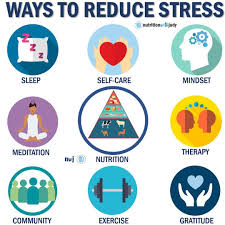

bad romantic relationships, bad job settings, and financial stress can all be prevented with thoughtful planning and attentive activities. This entails terminating relationships that no longer make you happy, so if the atmosphere at work is poisonous, get out there and network early to find a better, healthier job.
why you need to avoid pressure and take control of your happiness.
1. Stress increases your risk of heart attack and stroke;


Your blood pressure rises during a fight or flight scenario to give your muscles more oxygen and nourishment. Prolonged high blood pressure damages the arteries by putting stress on their flexibility
Due to this injury, the arteries are more susceptible to the accumulation of fat, which ultimately narrows the blood vessel. Numerous vitamins, such as potassium magnesium, vitamin C, vitamin D and B vitamins, can help decrease blood pressure. Feed today to prevent heart problems in the future.
2. It can change the composition of your gut bacteria;
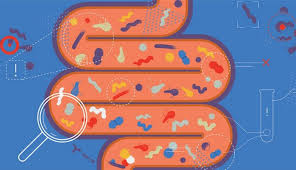

Because our minds and stomachs are tightly connected, you may have observed that thinking about something can cause an abrupt increase in appetite or decrease in it.
Anxiety before to a significant occasion can affect digestion, and stress modifies the contractions in the digestive tract the aid in the breakdown of food
3. It causes poor food cravings;


HOW TO AVOID STRESS
Why do we feel the need for unhealthy food and beverages after a difficult day? Although your body is in survival mode and your flight or flight reaction momentarily suppresses your appetite, one of the hormones, cortisol, metabolizes carbohydrates and sugar at this time
In exchange, the body will begin to yearn for foods high in calories to refuel. Regrettably, muscular loss can also result from high cortisol levels. Therefore, pressure has no place in our life if it causes our busy queen to gain weight or lose muscle mass.
3. Stress causes fatigue;


HOW TO AVOID STRESS
Excruciating tiredness can result from ongoing stress. pressure may make it difficult to fall asleep, and over time, sleep deprivation can lead to both physical and mental exhaustion.
Summary
Although it is hard to totally eradicate stress from your life, you may successfully prevent excessive stress by altering how you handle your surroundings and react to demands.