Business
How to Source for Business Funds


How to source for business funds. This come from a variety of sources and are used to launch, operate, or expand a company. Typically, they come from personal savings (bootstrapping), loans (banks, fintech), investors (angels, VCs, family/friends), retained earnings, or grants. The options vary based on the business stage, risk tolerance, and growth plans, balancing debt, equity, and self-funding.
HOW TO SOURCE FOR BUSINESS FUNDS
Start with personal funds (bootstrapping) or funds from friends and family, then look into debt financing (bank loans, SBA loans, microloans), equity financing (angel investors, venture capital), government grants, or crowdfunding. To increase capital and control, it’s common to combine methods like loans with personal investment.
Interpretation;

Funding is the cash that an establishment gets from different sources of investors. When someone wants to start a new business, they frequently require capital to get things going and maintain the venture until they have a positive cash flow.
Pre-seed financing;

A startup is just starting to build its operations during this initial funding period. The startup’s founders, family, and friends frequently provide financial support at this point. Depending on the industry and the upfront costs associated with establishing the company’s concepts, pre-seed investment may come in quickly or take a while. Currently, it seems improbable that any investors will receive a profit or even ownership in the business.
Seed money;

Golden coils in soil with young plants
This is the startup’s official first funding round, during which time it raises money from various investors. Due to this early funding, the startup has enough cash flow to expand its business plan, initiate product development and perform other initial actions.
Series financing;

The following financing phase, known as series funding, is intended to grow products over a wider market, increase user base size, and further optimize product offering. By now, the startup often has satisfied pre established KPIs, such as having a profitable history, a steady stream of income, or a sizable customer base.
financing for debt;

How to source for business funds
Debt funding is the process by which a business borrows funds that, whether or not it succeeds and generates a profit, it must pay back. Various forms of debt financing exist, such as: Venture debt: Repayment is necessary over time, yet it functions similarly to equity in the short term. Low-interest bank loans with guaranteed status are offered by the Small Business Administration.
Equity financing;

How to source for business funds
When a business gets equity funding, it means that investors provide money and in return, the investors get shares of the business’s equity, or stock. • Angel investors: Those that invest hundreds to millions of dollars in start-up businesses are typically very wealthy people. Usually working independently, they can make decisions more quickly.
Summary
Depending on their goals and stage of operation, businesses can choose from a variety of financing options. Most businesses, whether they are startups or well-established companies seeking to grow, eventually need funding. Understanding the different funding types will help you identify the different phases of a company.
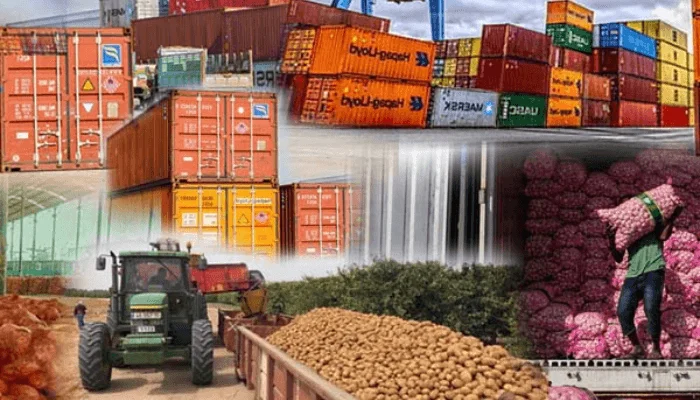
Demerits of goods exportation. Exporting is the process of sending goods and services from one’s own country to another. Similarly, bringing goods and services into one’s own nation means purchasing them from foreign markets. Since it rarely costs anything to set up a production plant overseas, this is the most straightforward way for a business to access the global market. Distribution networks are all that are required to successfully import or export goods.
DEMERITS OF GOODS EXPORTATION
Producing goods and services in one nation and then selling them to customers in another is known as exporting. Notwithstanding the difficulties and dangers involved, exporting has several advantages that being based in the local market is unlikely to provide. A few drawbacks of exporting commodities are listed below.
1. Disruptions to the supply chain;
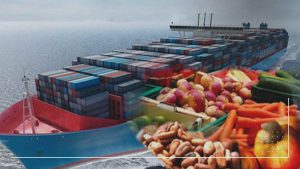
Your company’s success is at stake due to delayed shipments and the resulting supply chain interruptions. Products that are not delivered to the customer cause dissatisfied consumers and refunds, which incur unnecessary costs for your company.
2. Expensive;
upfront expenses It can take a significant initial investment to start a profitable exporting company. Costs associated with market research, marketing campaigns and initiatives, administrative expenses, and staff travel can mount up quickly.
3. Export permits and records;
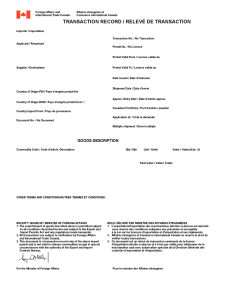
It’s possible that your product needs a license, even though 95% of all exported commodities do not. Being up to date on rules and regulations is your responsibility as an exporter. If you don’t, your company may incur significant legal and financial expenses.
4. Product customization;
Different rules and consumer preferences exist in foreign markets. Adherence to these criteria is a must for exporters. This may force your company to alter its offerings, which could incur additional expenses.
5. Disruptions to politics;
Demerits of goods exportation
Trade wars and other political events can hurt the exporting industry, just like export/import laws and regulations can.
6. Barriers based on culture;
Devoting resources to cultural knowledge is crucial if you intend to export to a nation with a radically different culture. For new enterprises, cultural norms and language problems can be major obstacles.
7. Changes in exchange rates;

Demerits of goods exportation
Changes in currency rates might cost your company sales and, consequently, revenue. Simply put, the exchange rate is the cost of purchasing one currency in terms of another currency.
8. Multicurrency transactions;

Demerits of goods exportation
Receiving and sending overseas payments in foreign currencies might wind up costing your company a lot of money in currency conversion fees since bad exchange rates and hidden costs mount up quickly.
Summary
Exporting goods and services broadens the scope of local economies and opens up new opportunities for growth. It is a powerful instrument for businesses of all sizes to make their mark on the world stage. We will examine exporting in greater detail to see how it might transform product life cycles, risk distribution, revenue growth, and market diversification.
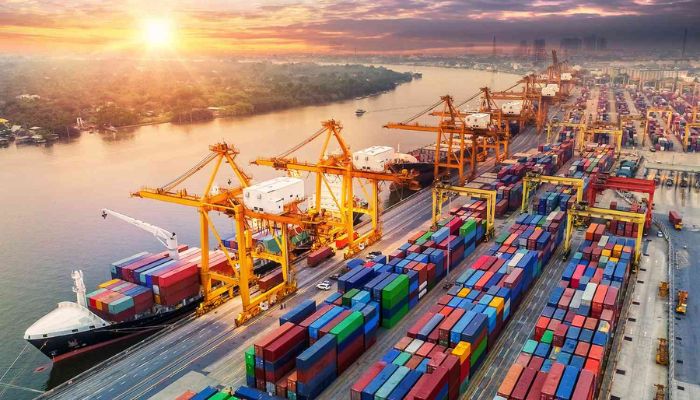
Merits of exporting goods. An export is a domestically produced good that is sold to a consumer overseas. Exporting commodities can have both positive and negative effects on the producer and the countries in which they operate. Due to resource constraints, economic policies, and industrial strategies, countries may find it more advantageous to produce goods to sell for a profit rather than retaining them for domestic use.
MERITS OF EXPORTING GOODS
Recognize how exporting can expand your company’s reach, broaden your market reach, and raise sales while taking into account the possible drawbacks, such as cultural differences, logistical difficulties, and legal restrictions. The advantages of exporting with the help of our thorough guide.
1 Higher Revenue and exchange rate;

The sound of ‘increasing sales and profits’ is appealing to anyone, do you not think? Any business owner would find it to be like music. By choosing to export, you are effectively opening up your store to the entire globe. Going from a small farmers market to a worldwide online store is comparable. All of a sudden, you’re serving clients worldwide rather than just your locals.
2. Diversification of Markets
Diversifying your market is like casting a larger net into the enormous ocean of opportunities in an attempt to catch a variety of fish, or, in business terms, clients. Stepping outside of their comfort zones and into uncharted markets is a calculated decision made by enterprises.
3. Exacerbating Business Risk;
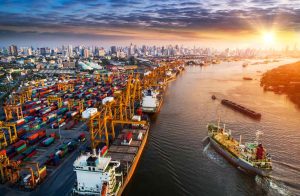
Managing a company might occasionally feel like balancing on a tightrope. On the one hand, there are the thrilling opportunities for expansion and financial gain, and on the other, there are the intimidating risks that could bring your company to ruin.
4. A longer lifespan for products;
In addition to having distinct trends and consumer habits, every market is in a different stage of growth. Accordingly, a product may be nearing the conclusion of its life cycle in one market while it is only beginning its trip.
5. Scale-related Economies;
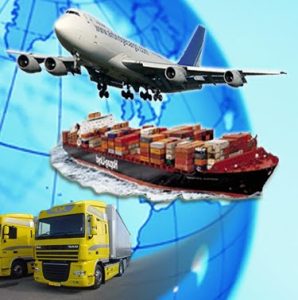
MERITS OF EXPORTING GOODS
The expansion of a business to foreign markets by exporting frequently results in a rise in production. By increasing output, the company can lower the average cost per unit by distributing its fixed costs over a greater number of units.
6. Competitive Advantage;
A business can get a competitive edge by growing its worldwide market share and brand recognition through international expansion
7. Enhancement of the National Economy;
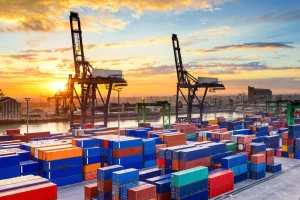
MERITS OF EXPORTING GOODS
Exporting raises a nation’s GDP and may lead to the creation of jobs domestically, which supports economic growth.
Summary
Exports are goods and services made in one country and offered for sale to customers in another. Imports and exports are the two pillars of global trade. To boost income and transactional opportunities, nations usually actively seek out international markets for commerce rather than focusing only on their local boundaries.

Importation of goods. Purchasing and receiving goods and services made in another nation is known as importation in international trade. A person, business, or nation that purchases items that have been exported from another nation is known as an importer. The two financial transactions that define international trade are importation and exports. An exporter is the person who sells these goods and services.
IMPORTATION OF GOODS
International business is the main focus of conducting business in the contemporary globalization period. In the competitive climate, businesses compete globally. A business may decide to import or export in the context of global trade. Import and export are the two primary and essential ways to do business.
Two important business operations that make it simple to join the global marketplace are import and export. When it comes to selecting the greatest source, everyone must consider a number of things
Merits
1. Increased Profit;

Everyone wants to make a lot of money in their business. Every business consistently works hard to accomplish this goal, which allows them to earn a lot of money. Every firm wants to pick a venture where they can optimize their rate of profit and take advantage of a number of advantages.
2. Superior Quality;
Every customer wants only high-quality products. Nobody wants to spend their hard-earned cash on a product that is of inferior quality. You have to be selective here. Some products are actually based in an area other than yours.
3. Lowers the Cost of Manufacturing;

IMPORTATION OF GOODS
Manufacturing is the most important component when discussing business and costing considerations. Every business looks for the most effective method to quickly reduce manufacturing costs and sell goods with a healthy profit.
4. Handle Emergencies;
Situations of all kinds are happening in many places of the world. Some nations suffer greatly from dangerous situations and may not be able to generate enough goods to meet their citizens’ fundamental requirements. All people must keep their attention only on outside sources throughout all of these activities.
5. Wise and Well-Informed Choice;

IMPORTATION OF GOODS
Selecting the importing option will help you with other aspects of your business in addition to helping you make money. This is a type of strategic choice that can yield some extra advantages.
Demerits
1. Risk to Currency;
Every nation must preserve its foreign exchange flow in order to control the value of its currency and its place in the global economy. The currency of a nation will experience problems if its imports become excessively greater than its exports.
2. Domestic Resources;

IMPORTATION OF GOODS
Are Negatively Affected Some businesses are importing alternatives to their homegrown goods or competitors. All of these factors could negatively impact the market for locally produced goods in your nation.
Summary
It is most common for nations to import commodities or services that their own industries are unable to produce as cheaply or efficiently as the exporting nation. Additionally, nations may import goods or raw materials that are unavailable domestically. A product or service that was manufactured in another nation and purchased in another is called an import. International trade is made up of imports and exports. A country is said to have a negative balance of trade, or trade deficit, if the value of its imports is greater than the value of its exports.

Advantages of Eating Dates

Waking Early Health Impacts

Peaches Health Relevance

A Step-by-Step Guide to Deleting Reels on Instagram

How to Create a WhatsApp Group