Hair
How to use garlic on hair

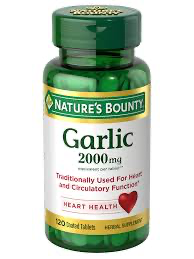 Garlic, a humble kitchen staple renowned for its culinary versatility, also boasts impressive benefits for hair health. Rich in sulfur, vitamins, and minerals, garlic has been used for centuries to promote hair growth, strengthen follicles, and combat various scalp conditions. In this article, we’ll explore the numerous ways to incorporate garlic into your hair care routine for stronger, healthier locks.
1. Garlic-infused Oil:
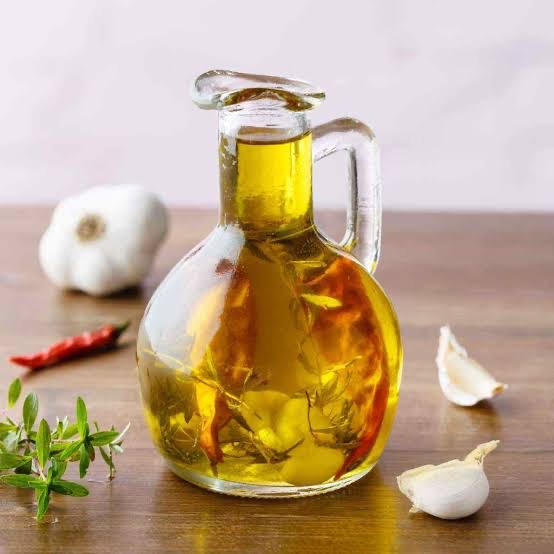
One of the simplest ways to harness the benefits of garlic for your hair is by creating garlic-infused oil. Start by crushing a few cloves of garlic and allowing them to steep in a carrier oil such as coconut, olive, or jojoba oil for several days. Strain the oil and massage it into your scalp, leaving it on for at least 30 minutes before shampooing as usual. Regular use can help nourish the scalp, strengthen hair follicles, and stimulate hair growth.
2. Garlic Hair Mask:
For a more intensive treatment, consider creating a garlic hair mask by blending garlic cloves with other hair-healthy ingredients such as honey, yogurt, or avocado. Apply the mask to damp hair, focusing on the scalp and roots, and leave it on for 30-60 minutes before rinsing thoroughly. This potent concoction helps promote circulation, unclog hair follicles, and nourish the scalp, resulting in stronger, more resilient hair.
3. Garlic Shampoo or Conditioner:
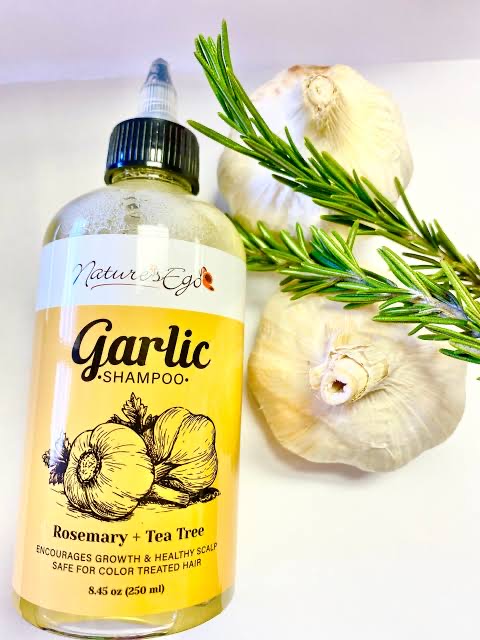
You can also infuse your regular shampoo or conditioner with the power of garlic by adding a few drops of garlic oil or garlic juice to the product before each use. This allows you to enjoy the benefits of garlic with minimal effort, as part of your daily hair care routine. Be sure to perform a patch test before applying garlic-infused products to your scalp to avoid any potential irritation.
4. Garlic Juice Rinse:
Another effective method is to create a garlic juice rinse by blending fresh garlic cloves with water and straining the mixture to extract the juice. After shampooing your hair, pour the garlic juice rinse over your scalp and hair, massaging gently to ensure even distribution. Leave the rinse on for a few minutes before rinsing thoroughly with water. This simple yet potent treatment helps cleanse the scalp, promote circulation, and stimulate hair growth.
5. Garlic Supplements:
If you’re not a fan of the pungent smell of garlic or prefer a more convenient option, you can also take garlic supplements orally to reap the benefits for your hair and overall health. Look for supplements containing garlic extract or oil, and follow the recommended dosage instructions provided by the manufacturer.
From garlics-infused oils to homemade hair masks, there are numerous ways to incorporate this potent ingredient into your hair care routine to promote strong, healthy locks. Whether you prefer DIY treatments or ready-made products, harnessing the power of garlics can help nourish your scalp, stimulate hair growth, and improve the overall health and appearance of your hair. Experiment with different methods to find the ones that work best for you, and enjoy the transformative benefits of garlics for your hair.











Thick hair boost. A combination of healthy nutrition (protein, vitamins, iron), gentle hair care (less heat/washing), clever styling (volume, layers), and occasionally supplements or oils like castor or olive oil for nourishment are needed to achieve thick hair, which is defined as having a large diameter or high density and frequently appearing fuller. Even though genetics may play a part, maintain a healthy scalp and preventing damage from harsh chemicals and extreme heat are essential to encouraging natural thickness and growth.
THICK HAIR BOOST
Hair is a filament of protein that develops from dermal follicles. One of the things that distinguishes animals is their hair. The human body is covered in follicles that generate thick terminal and fine vellus hair, with the exception of patches of glabrous skin. Although hair development, kinds, and maintenance are the main topics of attention, hair is also a significant biomaterial made mostly of protein, particularly alpha-keratin. A healthy diet and scalp massage are two strategies to make hair look thicker and less prone to hair loss, even if there is no way to alter the nature of the hair follicles.
Eggs;

Strong, thick hair requires protein, which is abundant in eggs. Applying an egg treatment: Beat a couple of eggs together. Apply the mixture to your damp hair and scalp. • Apply it to the scalp for approximately half an hour. • Use warm water and a gentle shampoo to give the hair a thorough wash.
Olive oil;

Rich in omega-3 acids and other nutrients, olive oil is vital for hair health as well as general well-being. Applying olive oil directly to hair can encourage stronger hair. Furthermore, it might hydrate any dry patches of the scalp and soften the hair. Heating olive oil to body temperature is the first step in using it. Apply the warm oil to your scalp and hair, and then let it there for 30 to 45 minutes.
Proper nutrition;

Thick hair boost
Thickening can be aided by a diet rich in protein, healthy fats, and other vitamins. reliable source for thin or thinning hair. In actuality, having thin hair may indicate that a person is not receiving enough nutrition. Some nutrient rich foods that someone with thin hair might want to include in their diet are: The high protein and fatty acid content in salmon • Iron, omega-3 fatty acids, and protein are all found in eggs.
Orange puree;

Thick hair boost
Oranges contain vitamin C, pectin, and acid, all of which have several benefits for hair. The vitamins and nutrients could enhance the hair’s natural luster, giving the impression that it is thicker. Hair product residue that could impede hair development is broken down by the acid. The aroma of orange puree is very pleasant.
Aloe gel;

Thick hair boost
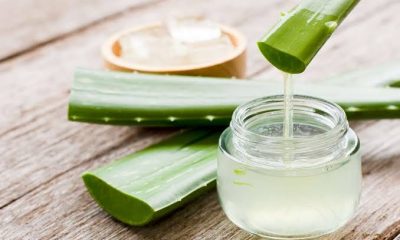
Numerous health advantages for the skin, scalp, and hair may be offered by the aloe Vera plant. Aloe oil applied directly to the scalp and hair may eventually help thicken and strengthen the hair. The active ingredient in a number of commercial therapies, such as gels and lotions, is aloe.
Summary
A nutrient-rich diet (biotin, zinc, omega-3s), gentle hair care (avoid hot water, heat styling), frequent scalp massages, stress reduction, and targeted treatments like minoxidil, hair fibers, or keratin/protein masks for immediate volume and long-term strength—all of which guarantee active follicles receive the support they require—are the main ways to increase thick hair.
Styling and beauty guidelines. This play a major role in improving our appearance and boosting our confidence. With a few simple strategies and techniques, everyone may showcase their inner beauty and create a unique look. To help you feel and look your best, this post provides helpful fashion and beauty advice on anything from skincare routines and grooming procedures to clothing selection. may use a few simple strategies and techniques to showcase their inner beauty and create a unique style. To help you feel and look your best, this post provides helpful fashion and beauty advice on anything from skincare routines and grooming procedures to clothing selection.
STYLING AND BEAUTY TIPS
As a group of self-described beauty aficionados, we are always searching for new methods to expand our knowledge of beauty and experiment with different skincare and makeup trends. We can confidently state that, after much trial and error, we have compiled a few winning methods that make up our list of the top 10 beauty suggestions. These timeless advice pieces have demonstrated their efficacy over time and have fundamentally changed the way we take care of our skin.
Ways to improve your style and beauty;
1. Dressing for Your Body Type:

Choosing clothing that accentuates your form requires an understanding of your body type. Determine your body type (pear, hourglass, apple, or rectangle, then pick looks for your clothes that draw attention to the best parts of your body.
2. Creating a Signature Style:
Identifying your own style can be an enjoyable and empowering process. Try on several looks, play around with fashion trends, and focus on what makes you feel good about yourself.
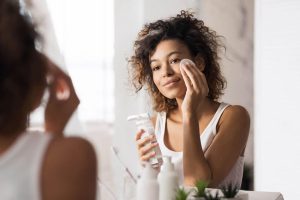
3. Skincare Routine:
Styling and beauty guidelines
For healthy, glowing skin, a regular skincare regimen is necessary. Wash your face twice a day to get rid of debris and pollutants. Then, tone and moisturize your skin to keep it nourished.
4. Enhancing Natural Beauty:
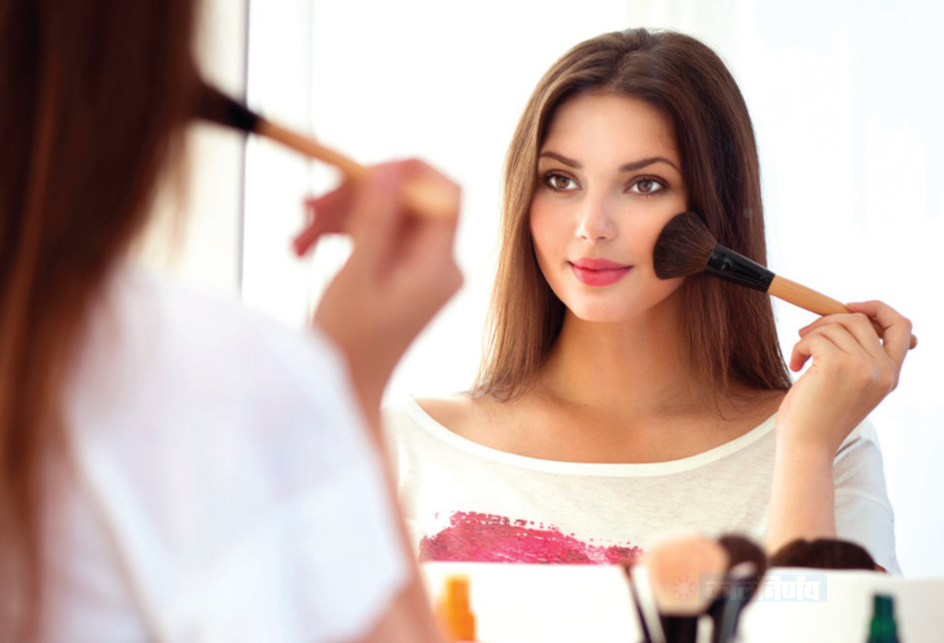
Accept your inherent beauty and use delicate cosmetics to accentuate it. To make your lips or eyes the center of attention, concentrate on accentuating them.
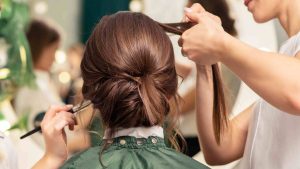
5. Hair Care:
Styling and beauty guidelines
Maintaining healthy, well-groomed hair can greatly improve your appearance. To keep your hair healthy, identify your hair type and get the appropriate equipment and products. Use style products that are appropriate for your hair type and desired look, then wash and condition your hair on a regular basis.
6. Grooming Techniques:
Taking care of the little things in your appearance can make a big difference. Maintain neat, well-groomed nails and moisturize your hands frequently. #Tip 1: Never give sunscreen a miss
Summary
Focus on a solid skincare foundation (cleanse, moisturize, SPF), use natural makeup to accentuate features (bronzer, defined brows, lip liner for longevity), and strategically maintain hair with overnight braids or dry shampoo before bed. Always invest in well-fitting basics and grooming for an effortlessly polished look.
Supplements for natural hair growth. Your hair’s strength and health can be greatly improved by include natural nutrients in your diet. Collagen, saw palmetto, zinc, vitamin D, biotin, and omega-3 fatty acids are all effective ways to encourage hair development and stop hair loss. However, before beginning any new supplement regimen, it is imperative to speak with a healthcare professional. particularly if you are taking other drugs or have underlying medical issues. Stronger, healthier, and more vivid hair can result from supporting your hair from the inside out with the correct nutrients.
SUPPLEMENTS FOR NATURAL HAIR GROWTH
In addition to natural aids like rosemary oil and collagen, essential supplements for natural hair growth include biotin, vitamin D, iron, zinc, vitamin C, and vitamin E, which support keratin production, follicle health, collagen, and antioxidant protection. Keep in mind that a balanced diet should come first because deficiencies in these nutrients can impede growth, and supplements frequently take three to six months to show results.
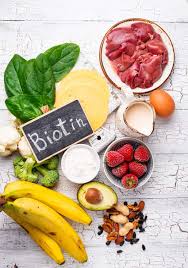
1. Biotin (Vitamin B7);
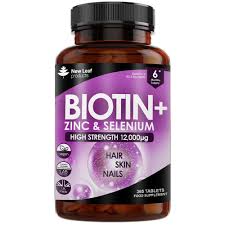
Supplements for natural hair growth
Biotin is perhaps the most well-known supplement for hair growth. This water-soluble B vitamin is essential for the production of keratin, the protein that makes up your hair, skin, and nails. A deficiency in biotin can lead to hair thinning and loss, so supplementing with biotin can help strengthen your hair and encourage growth.
How it works: Biotin supports the health of hair follicles and boosts keratin production, leading to stronger, thicker hair.
2. Omega-3 Fatty Acids;
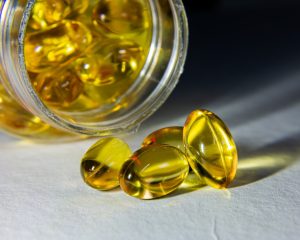
Supplements for natural hair growth
Omega-3 fatty acids, found in fish oil and flaxseed oil, are essential fats that help nourish the hair and scalp. They have anti-inflammatory properties that can help reduce hair loss, and they keep your scalp hydrated, which is crucial for healthy hair growth.
How it works: Omega-3s help reduce scalp inflammation, support healthy hair follicles, and add shine and luster to your hair.
3. Collagen;
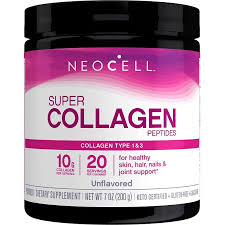
Collagen is a protein that provides structure to your skin, hair, and nails. As you age, your body’s natural collagen production decreases, leading to weaker hair and more breakage. Taking collagen supplements can help replenish your body’s collagen levels, strengthening your hair and promoting growth.
How it works: Collagen supports the structure of hair follicles, promotes elasticity, and helps prevent hair breakage.
4. Saw Palmetto;
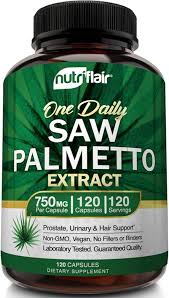
Supplements for natural hair growth
Saw palmetto is a natural herb known for its ability to block DHT (dihydrotestosterone), a hormone that can cause hair loss in both men and women. By reducing DHT levels, saw palmetto can help prevent hair thinning and promote the growth of stronger, healthier hair.
How it works: Saw palmetto inhibits DHT production, helping to maintain hair thickness and prevent loss.
5. Vitamin D;

Vitamin D plays a crucial role in the creation of new hair follicles. A deficiency in vitamin D has been linked to hair loss and thinning. Supplementing with vitamin D can help encourage hair growth and prevent thinning, especially in those who have low levels due to limited sun exposure.
How it works: Vitamin D supports the health of hair follicles and helps stimulate new hair growth.
6. Zinc;
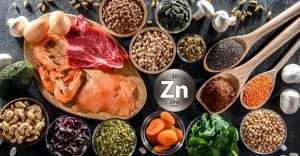
Zinc is an essential mineral that helps with tissue growth and repair, including the tissues that make up your hair. It also helps keep the oil glands around hair follicles working properly. A deficiency in zinc can lead to hair loss and weak, brittle hair.
How it works: Zinc promotes healthy hair growth by supporting cell production and maintaining healthy oil glands around the hair follicles.
Summary
In addition to using high-quality haircare products, maintaining strong, healthy hair frequently demands fueling your body from the inside out. By supplying vital nutrients that support hair health, natural supplements can play a significant role in encouraging hair growth and reducing breakage. Here are a few of the best natural supplements for strengthening and growing hair.

Cold Weather Coping Mechanisms

How to Quit Smoking

Life Stages

A Step-by-Step Guide to Deleting Reels on Instagram

How to Create a WhatsApp Group