Health
Hyperglycemia Management Tips

Hyperglycemia management tips. A multimodal strategy including medication adherence, lifestyle changes, and routine monitoring is needed to manage the problem effectively. It’s critical to speak with a healthcare provider for individualized counsel and direction catered to your particular circumstances if you have persistently high blood sugar levels or are worried about your health. Proactively controlling blood sugar levels can improve general health and lower the chance of hyperglycemia-related problems.
HYPERGLYCEMIA MANAGEMENT TIPS
An increased amount of glucose in the blood is known as high blood sugar, or hyperglycemia. It’s critical to comprehend the origins, consequences, and practical management techniques for elevated blood sugar, whether you’re controlling diabetes or trying to preserve general health. The causes of high blood sugar, possible health consequences, and useful advice for controlling high blood sugar levels will all be covered in this article.
Causes:
1. Dietary Choices:


Consuming an excessive amount of refined carbohydrates and sugary foods can lead to spikes in blood sugar levels.
2. Insufficient Insulin Production or Action:
In diabetes, the body may not produce enough insulin or effectively use the insulin it produces, resulting in elevated blood sugar levels
3. Stress:


Physical or emotional stress can trigger the release of stress hormones, which can cause an increase in blood sugar.
4. Illness or Infection:
Some illnesses and infections can elevate blood sugar levels as the body responds to the stress of illness.
5. Lack of Physical Activity:


Regular exercise helps regulate blood sugar levels by improving insulin sensitivity. A sedentary lifestyle may contribute to high blood sugar.
Effects of High Blood Sugar:
1. Fatigue:
Elevated blood sugar levels can lead to fatigue and a lack of energy.
2. Increased Thirst and Urination:


The body tries to eliminate excess glucose through urine, leading to increased thirst and frequent urination.
3. Blurred Vision:
hyperglycemia can affect the eyes, causing temporary blurred vision
4. Slow Wound Healing:


HYPERGLYCEMIA MANAGEMENT TIPS
Elevated blood sugar levels may impair the body’s ability to heal wounds efficiently.
5. Increased Risk of Complications:
Prolonged hyperglycemia can contribute to long-term complications, including cardiovascular disease, kidney damage, and nerve damage.
Management Strategies:
1. Healthy Eating:


Focus on a balanced diet that includes whole grains, lean proteins, healthy fats, and plenty of fruits and vegetables. Monitor portion sizes and limit intake of sugary foods and beverages
2. Regular Physical Activity:
Incorporate regular exercise into your routine, as it helps lower blood sugar levels and improves overall health.
3. Medication Adherence:


HYPERGLYCEMIA MANAGEMENT TIPS
For individuals with diabetes, adhering to prescribed medications and insulin regimens is essential for managing blood sugar levels.
4. Stress Management:
Practice stress-reducing techniques such as meditation, deep breathing exercises, or engaging in activities that bring relaxation.
5. Regular Monitoring:

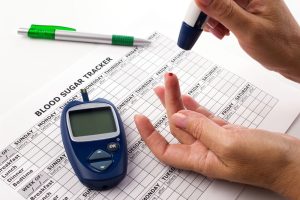
HYPERGLYCEMIA MANAGEMENT TIPS
Individuals with diabetes should regularly monitor their blood sugar levels as directed by healthcare professionals. Stay tuned for more updates.
Summary
Control hyperglycemia (high blood sugar) by regularly checking readings, taking medications as prescribed, and eating a balanced, portion-controlled diet. Important tactics include drinking plenty of water, exercising frequently (if ketones are absent), and controlling stress. Medical treatment is necessary for immediate, high-level, or symptomatic high blood sugar (e.g., >240 mg/dL, fruity breath, nausea).