Nature
Impacts of Polar Regions


Impacts of polar regions. In addition to experiencing profound local effects like permafrost thawing, infrastructure damage, disrupted ecosystems, threats to Indigenous cultures, and new shipping/resource opportunities driven by rapid warming, polar regions have a significant impact on global climate, ocean circulation, and sea levels through ice melt and the albedo effect. Global repercussions of these changes include species shifts, changing weather patterns, and increasing sea levels, which create difficult socioeconomic problems and call for immediate adaptation.
IMPACTS OF POLAR REGIONS
One of the most remarkable and endangered locations on Earth is the Polar Regions. They are vital to the health of the entire world because of their cold landscapes, distinctive wildlife, and function in controlling the planet’s temperature. The fate of the Polar Regions will influence not just their own future but also the future of life on Earth as we continue to deal with the effects of climate change. Maintaining the stability of our world for future generations depends on safeguarding these frozen frontiers.
The Arctic: A Land of Ice and Life;

The Arctic is the region around the North Pole, consisting of vast ice-covered oceans, tundra, and sparsely populated islands. Unlike Antarctica, the Arctic is inhabited by indigenous communities who have adapted to its frigid conditions for thousands of years. The Arctic is home to unique wildlife, including polar bears, Arctic foxes, walruses, and whales. These animals have developed remarkable adaptations to survive the cold, long winters and short summers of the region.
Beyond its natural beauty, the Arctic plays a crucial role in regulating the Earth’s climate. The sea ice reflects sunlight, helping to cool the planet.
Antarctica;

IMPACTS OF POLAR REGIONS
Antarctica is the Earth’s southernmost continent, almost entirely covered by ice, and is the coldest place on the planet. Unlike the Arctic, Antarctica has no permanent human inhabitants, aside from research scientists who live there temporarily. The continent’s towering ice sheets contain about 70% of the world’s freshwater, making it a key player in global sea levels and climate patterns.
The Role of the Polar Regions;

IMPACTS OF POLAR REGIONS
Both the Arctic and Antarctica play vital roles in regulating the Earth’s climate. Their ice sheets and glaciers reflect sunlight, helping to cool the planet. As these regions warm and ice melts, the Earth’s climate is disrupted. Melting ice contributes to rising sea levels, threatening coastal communities worldwide. Additionally, the thawing of permafrost in the Arctic releases stored carbon, accelerating global warming.
The Impact of Climate Change;

IMPACTS OF POLAR REGIONS
The Polar Regions are experiencing some of the most dramatic effects of climate change. The Arctic is warming at twice the rate of the rest of the planet, leading to the rapid retreat of sea ice. In Antarctica, ice shelves are thinning, and glaciers are retreating at unprecedented rates. This loss of ice not only threatens wildlife and ecosystems but also contributes to global sea-level rise, posing risks to coastal cities and communities worldwide.
Increased human activity, including shipping and resource exploration, is also putting pressure on these fragile environments. As the ice melts, new shipping routes and access to natural resources like oil and gas are opening up, raising concerns about the potential for environmental damage in these pristine areas.
Summary
Some of the planet’s most harsh settings can be found in the Polar Regions, which include Antarctica in the south and the Arctic in the north. These ice regions are vital to the planet’s ecosystems, climate regulation, and biodiversity despite their severe climates and remote locations.


Wonders of the earth. The New Seven Wonders (Great Wall, Petra, Colosseum, Chichén Itzá, Machu Picchu, Taj Mahal, Christ the Redeemer) and the Ancient Seven Wonders (Pyramids of Giza, Hanging Gardens of Babylon, etc., only Giza remains) are the most well-known examples of “Wonders of the Earth” lists of magnificent man-made or natural phenomena. Lists of Earth’s most magnificent natural locations, such as the Great Barrier Reef, expansive salt flats, and distinctive ecosystems that exhibit amazing biodiversity and geological wonders, are also available.
WONDERS OF THE EARTH
From its deepest oceans to its greatest mountains, the Earth’s wonders are numerous and diverse. In addition to inspiring wonder, these natural wonders offer vital functions that keep life on Earth going. In order to ensure that future generations can appreciate the beauty and majesty of the Earth, it is imperative that we safeguard and preserve these treasures while we continue to discover and enjoy them.
Majestic Mountains;
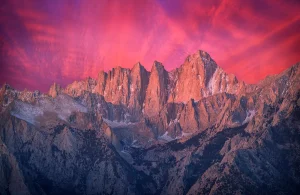
Mountains are among the most breathtaking features on Earth. Ranging from the towering peaks of the Himalayas to the serene beauty of the Rockies, these natural formations are a testament to the planet’s geological forces. The highest mountain, Mount Everest, stands as a symbol of challenge and achievement, drawing adventurers and climbers from around the world. Mountains also play a crucial role in maintaining ecosystems, providing fresh water to billions of people through glaciers and rivers.
Vast Oceans;

WONDERS OF THE EARTH
Covering more than 70% of the Earth’s surface, the oceans are vital to the planet’s ecosystem and climate. The sheer size and depth of the oceans hold mysteries yet to be discovered, from hidden marine species to uncharted underwater landscapes. Coral reefs, like the Great Barrier Reef, showcase the vibrant life that thrives beneath the waves, serving as crucial habitats for marine biodiversity. The oceans also regulate climate and weather patterns, making them essential to life on Earth.
Awe-Inspiring Deserts;

WONDERS OF THE EARTH
Deserts may appear barren, but they are home to unique ecosystems and landscapes that are both harsh and beautiful. The Sahara, the world’s largest desert, covers vast expanses of northern Africa, while the Atacama Desert in Chile is known for being one of the driest places on Earth. Despite their arid conditions, deserts support a wide range of life adapted to extreme temperatures and scarcity of water. Their shifting sand dunes and rocky formations create surreal, ever-changing landscapes.
Breathtaking Waterfalls;
WONDERS OF THE EARTH
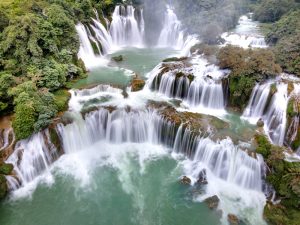
Waterfalls are among the most dynamic natural wonders of the Earth, combining raw power with stunning beauty. The iconic Niagara Falls, shared by the United States and Canada, draws millions of visitors every year, while South America’s Angel Falls holds the title of the world’s tallest waterfall. These natural spectacles inspire awe as water cascades from great heights, creating a powerful display of nature’s force.
Lush Rainforests;
WONDERS OF THE EARTH
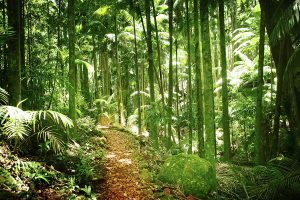
Rainforests are the lungs of the Earth, playing a critical role in absorbing carbon dioxide and producing oxygen. The Amazon Rainforest, the largest in the world, is home to millions of plant and animal species, many of which are still undiscovered. Rainforests are not only biodiversity hotspots but also crucial to regulating the Earth’s climate. However, they face significant threats from deforestation and climate change, underscoring the need for conservation.
Summary
There are a staggering number of natural wonders on our globe that inspire amazement and captivate the mind. Earth’s ecosystems and landscapes, from majestic mountains to colorful coral reefs, demonstrate the strength and beauty of nature. In addition to reflecting the diversity of the world, these natural wonders serve as a reminder of its fragility and the need to protect it for coming generations.
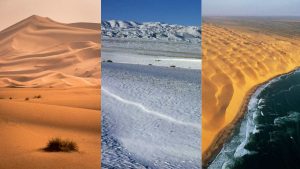
Types of deserts. Images of expansive, sandy terrain under a blazing sun come to mind when one thinks of deserts. However, there is much more diversity in these arid areas than that! They make up a startling 33% of the Earth’s surface and have distinctive ecosystems, ranging from icy polar deserts to coastal fog deserts.
TYPES OF DESERTS
Meanwhile, A desert is an area with very little precipitation, usually less than 25 centimeters per year. Deserts are formed by weathering processes as large variations in temperature between day and night put strains on the rocks, which consequently break in pieces. A harsh environment with little vegetation and particular adaptations for the plants and animals that live there is produced by this lack of precipitation.
Types
1, Hot and dry deserts
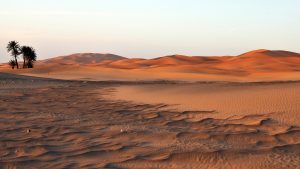
Although, These are the traditional deserts that come to mind, complete with sand dunes and intense heat. One of the best examples is the Sahara Desert.
2. Cold deserts
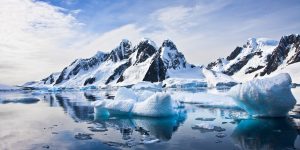
Also, these deserts have extremely low temperatures and little precipitation. Asia’s Gobi Desert is a frigid desert.
3. Coastal deserts
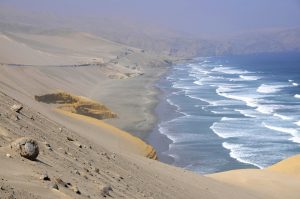
However, these deserts are found next to coastlines where precipitation is suppressed by cool ocean currents. South America’s Atacama Desert is a coastal desert.
4. Semiarid deserts

Meanwhile, these areas get a little more precipitation than other deserts, but not enough to sustain the growth of lush vegetation. Some areas of North America’s Great Plains are regarded as semiarid.
5. Polar deserts
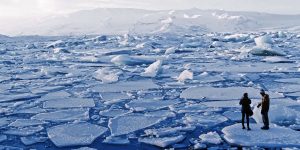
Although, located at the poles of the Earth, these icy deserts get very little snowfall. The largest Polar deserts in the world is Antarctica.
6. Deserts that are subtropical

Also, these deserts, which are found in subtropical latitudes, are brought about by warm, dry air masses from permanent subtropical anticyclones. winter months are better for hiking than the scorching summers. The stark contrast in temperature between day and night is another feature of these deserts.
7. Deserts in the interior
However, at the center of continents are these deserts. Masses of maritime air rarely make it to these deserts due to their distance from the ocean. The summers are hot, and the winters are bitterly cold. Hiking in interior deserts is best done in the summer. Asia’s Goby desert is the most well-known.
8. Deserts along the coast
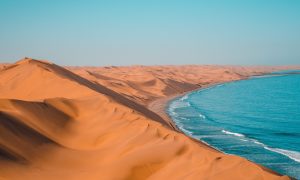
Although, the most unexpected is that, as a result of cold marine currents condensing as they approach the warmer continents, deserts can also be found along intertropical coastlines. These deserts have a lower thermal amplitude and are comparatively cool. The Namib desert in Namibia and the Atacamadesert in Chile are the two most well-known coastal deserts.
9. Deserts that are shaded by rain
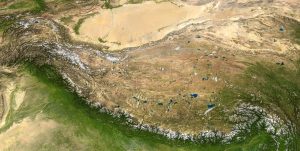
Meanwhile, they are protected from the masses of moisture-laden air by mountain ranges. For instance, that is what occurs in the Patagonian desert, behind the Andes.
10. Deserts in the arctic
However, with the exception of a few research facilities, the Antarctic desert is a region of the world that is nearly unreachable by humans. A little more populated is the Arctic desert. Greenland is the most populated, and summer travel there is considerably more comfortable.
Summary
Also, Picture yourself on an exhilarating 4×4 jeep tour through the desert, exploring hidden canyons and historic inscriptions while the wind rips through your hair. Or maybe a sunrise camel ride is more your style, letting you take in the expansive vistas at a more leisurely, conventional pace.


Coconut oil, extracted from the meat of mature coconuts, is a popular oil known for its health benefits and versatility. Used in cooking, skincare, and hair care, it’s a staple in many households around the world.
Health Benefits of Coconut Oil
1. Rich in Healthy Fats: Coconut oil contains medium-chain triglycerides (MCTs), which may boost energy and support brain function.

2. Heart Health: While it’s high in saturated fats, moderate consumption can increase good HDL cholesterol levels.

3. Antimicrobial Properties: Lauric acid in coconuts oil helps fight bacteria and viruses, promoting overall health.
Uses of Coconut oil in Cooking

– High-Heat Cooking: Its high smoke point makes it ideal for frying and baking.
– Flavor Enhancer: Adds a subtle coconut flavor to dishes and desserts.
– Butter Substitute: Used as a plant-based alternative in recipes.
Benefits for Skin and Hair
– Moisturizer: Hydrates and softens skin, making it a great remedy for dryness.
– Hair Conditioner: Reduces frizz, adds shine, and strengthens hair.
– Makeup Remover: Gently removes makeup without irritating the skin.
Moderation is Key
Though coconuts oil offers many benefits, it is calorie-dense and high in saturated fat. Consuming it in excess may increase the risk of health issues.
Conclusion
Coconut oil’s versatility and nutrient profile make it a valuable addition to your lifestyle when used wisely.

Cold Weather Coping Mechanisms

How to Quit Smoking

Life Stages

A Step-by-Step Guide to Deleting Reels on Instagram

How to Create a WhatsApp Group