Food
Impacts of Unhealthy Diets

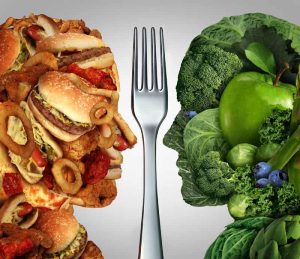

Impacts of unhealthy diets. A bad diet can have a significant impact on one’s physical and emotional well-being. It can lead to weight gain, nutrient deficiencies, chronic illnesses, and poor digestive and mental health.Maintaining long-term health and wellbeing requires making better food choices, such as consuming more fruits, vegetables, whole grains, and lean proteins while consuming fewer processed foods, sweets, and harmful fats. One of the most crucial things you can do to enhance your quality of life and lower your risk of illness is to prioritize eating a balanced diet.
IMPACTS OF UNHEALTHY DIETS
Unhealthy diets that are heavy in sugar, salt, unhealthy fats, and processed foods greatly raise the risk of developing chronic illnesses like heart disease, stroke, Type 2 diabetes, and some types of cancer. They also cause weight gain (obesity), exhaustion, weakened immunity, disturbed sleep, and detrimental effects on mental health (anxiety, depression). These eating patterns are major causes of disability and death worldwide because they raise blood pressure, blood sugar, and cholesterol.
Negative Impacts:
1. Increased Risk of Chronic Diseases;


A diet high in saturated fats, trans fats, and refined sugars can contribute to the development of chronic conditions such as heart disease, type
2 diabetes, and certain cancers. These foods can lead to elevated cholesterol levels, high blood pressure, and insulin resistance.
2. Obesity;


Consuming more calories than the body needs, particularly from high-calorie, low-nutrient foods, can lead to weight gain and obesity. Obesity is a major risk factor for numerous health problems, including cardiovascular disease, diabetes, and joint disorders.
3. Nutrient Deficiencies;


IMPACTS OF UNHEALTHY DIETS
An unhealthy diet often lacks essential nutrients such as vitamins, minerals, and fiber. For example, insufficient intake of fruits and vegetables can lead to deficiencies in vitamin C, potassium, and fiber, which are crucial for immune function, heart health, and digestive health.
4. Mental Health Issues;


IMPACTS OF UNHEALTHY DIETS
Diet plays a significant role in mental well-being. Diets high in processed foods and low in nutrient-rich foods have been linked to an increased risk of depression, anxiety, and other mental health disorders. Conversely, a balanced diet rich in nutrients supports brain function and emotional health.
5. Poor Digestive Health;


IMPACTS OF UNHEALTHY DIETS
An unhealthy diet, particularly one low in fiber, can lead to digestive issues such as constipation, bloating, and irritable bowel syndrome (IBS). Fiber is essential for healthy digestion and maintaining a healthy gut microbiome, which plays a critical role in overall health.
Summary
A diet that does not supply the vital nutrients required for the body to operate at its best is considered unhealthy. It usually consists of insufficient amounts of fruits, vegetables, whole grains, lean proteins, and processed foods together with high levels of added sugars, harmful fats, and salt. Consistently eating poorly can have a number of detrimental effects on one’s health over time.