Health
Irritation of the Throat


Irritation of the throat Although bacterial or viral illnesses are the most common causes of throat ir, other causes include dry air, allergies, irritants like smoke, acid reflux, and muscle tension. Relief can be obtained at home with techniques like using a humidifier, drinking warm liquids, and gargling with warm salt water. If your symptoms last more than a few days, you should consult a doctor because this could be a sign of a more serious problem that needs medical attention.
IRRITATION OF THE THROAT
Throat irritation is a common discomfort that many people experience at some point in their lives. Whether it’s a scratchy sensation, pain, or difficulty swallowing, throat irritation can be both annoying and disruptive to daily life. In this article, we’ll explore the various causes of throat irritation, common symptoms to watch out for, and effective remedies to alleviate discomfort and promote throat health.
Causes;
1. Viral Infections
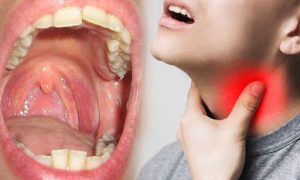
Common colds, flu, and other viral infections can often cause throat irritation. These infections inflame the throat tissues, leading to symptoms such as soreness, scratchiness, and sometimes even hoarseness.
2. Bacterial Infections
Bacterial infections like strep throat can also result in throat irritation. These infections typically cause more severe symptoms, including intense throat pain, difficulty swallowing, and swollen tonsils.
3. Allergies

Allergic reactions to airborne particles like pollen, dust, or pet dander can irritate the throat, leading to symptoms such as itchiness, sneezing, and postnasal drip.
4. Environmental Factors
Dry air, smoke, pollution, and other environmental factors can contribute to it by drying out the mucous membranes lining the throat, making it feel scratchy and uncomfortable.
5. Acid Reflux
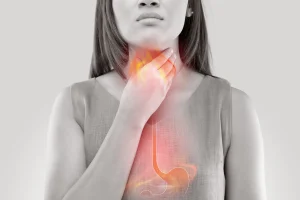
Gastroesophageal reflux disease can cause stomach acid to travel up the esophagus and irritate the throat, resulting in symptoms like heartburn, throat burning, and a sour taste in the mouth.
Symptoms;
1. Soreness
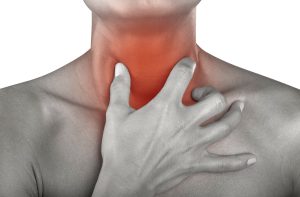
A common symptom of it is a persistent sore throat, which may feel raw, scratchy, or tender.
2. Difficulty Swallowing
Throat irritations can make swallowing painful or uncomfortable, particularly when eating or drinking.
3. Hoarseness

Irritation of the vocal cords can lead to hoarseness or changes in voice pitch and quality.
4. Dryness
Dry air or environmental factors can cause the throat to feel dry and parched, exacerbating irritation.
5. Cough

IRRITATION OF THE THROAT
It can trigger a persistent cough, which can worsen the discomfort and prolong healing.
Remedies;

IRRITATION OF THE THROAT
Drinking plenty of fluids helps keep the throat moist and soothes irritation. Opt for warm liquids like herbal tea, broth, or warm water with honey and lemon.
2. Gargle Salt Water
Gargling with warm salt water can help reduce inflammation and kill bacteria, providing temporary relief from it.
3. Use Humidifiers
IRRITATION OF THE THROAT
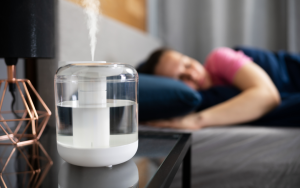
Using a humidifier in your home can add moisture to the air, preventing the throat from drying out and alleviating discomfort.
4. Avoid Irritants
Minimize exposure to irritants like smoke, pollutants, and allergens, which can exacerbate throat irritations.
5. Over-the-Counter Remedies
Over-the-counter medications such as throat lozenges, cough syrups, and pain relievers can help alleviate symptoms and promote healing.
6. Rest Your Voice

IRRITATION OF THE THROAT
If it is accompanied by hoarseness or voice changes, rest your voice as much as possible to prevent further strain on the vocal cords.
Summary
It can be caused by a variety of factors, ranging from viral infections to environmental triggers. By understanding the underlying causes and symptoms of it, you can take proactive steps to alleviate discomfort and promote healing. Whether it’s staying hydrated, using humidifiers, or avoiding irritants, there are plenty of remedies available to soothe your throat and restore comfort. If symptoms persist or worsen, consult a healthcare professional for proper diagnosis and treatment.





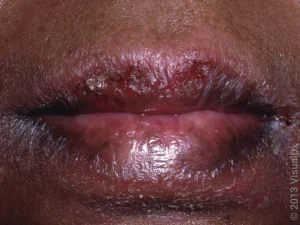
Lip breakage causes and treatments. Dry or cold weather, dehydration, the sun, lip licking, certain medications, vitamin deficiencies (B, iron, and vitamin A toxicity), allergies, or infections can all result in lip breaking (chapped or cracked lips). Regular use of SPF/moisturizing lip balms (shea butter, oils, petrolatum), drinking enough of water, refraining from licking, and using humidifiers are all part of the treatment; severe instances require medical attention.
LIP BREAKAGE CAUSES AND TREATMENTS
Lip breaking is a frequent problem that may be both irritating and ugly. It is characterized by dryness, cracking, and peeling. Environmental variables, lifestyle choices, or even underlying medical conditions are frequently the cause of this illness. You can keep your lips healthy and supple all year long by knowing what causes lip breakage and how to repair it.
Common Causes;
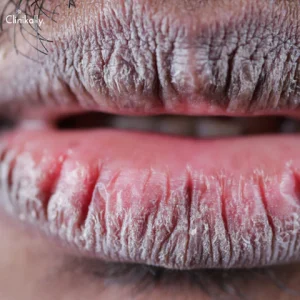
1. Dehydration:
One of the primary causes of chapped lips is dehydration. When your body lacks sufficient water, your lips are one of the first areas to show signs of dryness.
2. Cold and Dry Weather:
Cold winds and dry air can strip moisture from your lips, leading to cracking and peeling, especially during winter months.
3. Excessive Licking or Biting:
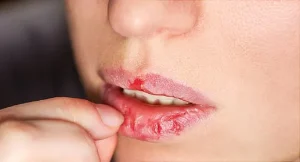
Lip breakage causes and treatments
While it might seem like licking your lips would help keep them moist, it actually has the opposite effect. Saliva evaporates quickly, leaving lips drier than before. Biting your lips can also cause irritation and worsen breakage.
4. Irritating Ingredients in Lip Products:
Some lip balms, lipsticks, or glosses contain ingredients like menthol, camphor, or fragrances that can irritate sensitive skin, leading to further dryness and cracking.
5. Vitamin Deficiency:
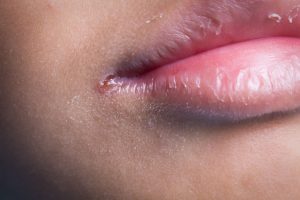
Lip breakage causes and treatments
A lack of essential vitamins, particularly B vitamins, can lead to dry, cracked lips. Vitamin B2 (riboflavin) deficiency is especially known to cause chapped lips.
Effective Treatments;
1. Stay Hydrated:
Drink plenty of water throughout the day to keep your body and lips hydrated. This is one of the most effective ways to prevent and treat chapped lips.
2. Use a Nourishing Lip Balm:

Lip breakage causes and treatments
Choose a lip balm that contains moisturizing ingredients like beeswax, shea butter, coconut oil, or hyaluronic acid. Avoid balms with irritating ingredients like menthol or strong fragrances.
Exfoliating your lips can help remove dead skin cells and promote healing. Use a gentle lip scrub or make your own by mixing sugar with a small amount of honey. Apply the scrub in circular motions and rinse off with lukewarm water.
4. Protect Your Lips from the Elements:

Lip breakage causes and treatments
In cold or windy weather, apply a thick, protective lip balm before going outside. Look for products with SPF to protect your lips from UV damage, even in winter.
5. Avoid Licking or Biting Your Lips:
Break the habit of licking or biting your lips. If you find it difficult, try keeping a moisturizing lip balm handy to apply whenever you feel the urge.
6. Improve Your Diet:

Lip breakage causes and treatments
Ensure your diet includes foods rich in B vitamins, such as eggs, lean meats, nuts, and leafy greens. If necessary, consider taking a vitamin B complex supplement after consulting with a healthcare provider.
Summary
Breakage of the lips is a common but controllable problem. You can maintain the softness, smoothness, and health of your lips by treating the underlying causes, which may include food, environmental exposure, or dehydration. Chapped lips can be prevented and treated with regular hydration, nourishing lip balms, and weather protection.


Can tremor e cured?. No, the majority of tremors, such as Parkinson’s tremor or Essential Tremor (ET), aren’t really “cured,” but they can frequently be effectively managed to greatly reduce symptoms. Depending on the cause, treatment options include medications (beta-blockers, anti-seizure drugs), Botox injections, physical and occupational therapies, lifestyle modifications (less alcohol and caffeine), or advanced options like Deep Brain Stimulation (DBS) or focused ultrasound for severe cases. Sometimes the tremor can be eliminated by treating the underlying reason if it is caused by another treatable condition or a side effect of medicine.
CAN TREMOR BE CURED?
Although tremors can have a major negative influence on day-to-day activities and quality of life, they can be effectively managed with the right medical care and therapy. For a thorough assessment and individualized treatment plan, speaking with a healthcare professional is essential if you or someone you love is having tremors in order to improve symptoms and general well being.
Types of Tremors;
1. Resting Tremors:
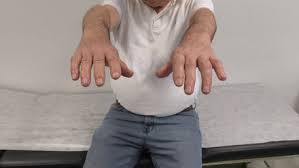
Typically observed in Parkinson’s disease, this type of tremors occurs when the affected body part is at rest and diminishes with movement.
2. Action Tremors:
This tremors manifests during voluntary movements, such as reaching for an object. It is commonly associated with essential tremor, a disorder that primarily affects the hands and arms.
3. Postural Tremors:

CAN TREMOR BE CURED?
This type occurs when maintaining a position against gravity, such as holding the arms outstretched. It is often seen in conditions like essential tremor and can be exacerbated by stress or fatigue.
4. Intention Tremors:
Associated with cerebellar disorders, intention tremors becomes more pronounced as a person approaches a target during movement.
Causes;

CAN TREMOR BE CURED?
Tremors can arise from a variety of causes, including:
– Neurological Disorders:
Conditions such as Parkinson’s disease, essential tremor, and multiple sclerosis.
– Medications:
Certain drugs, especially those affecting the central nervous system, can induce tremors as a side effect.
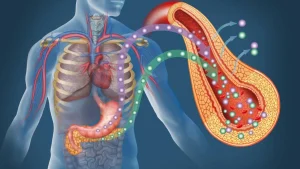
– Metabolic Conditions:
CAN TREMOR BE CURED?
Imbalances in thyroid function or low blood sugar levels may contribute to tremor.
– Stress and Anxiety:
Emotional or psychological stress can exacerbate or trigger tremor in susceptible individuals.
Diagnosis;

Diagnosing the underlying cause of tremors involves a thorough medical evaluation, including:
– Medical History: Review of symptoms, onset, and progression.
– Physical Examination: Assessment of tremor characteristics and associated symptoms.
– Neuroimaging and Lab Tests: Tests like MRI, CT scans, or blood tests to identify any underlying conditions.
Management and Treatment;

CAN TREMOR BE CURED?
Treatment for tremors depends on its underlying cause and severity:
– Medications: Drugs such as beta-blockers, anti-seizure medications, or specific treatments for Parkinson’s disease can help manage tremors.
– Therapies:
Physical and occupational therapies can assist with improving motor control and daily functioning.
– Lifestyle Modifications:

Stress reduction techniques and lifestyle changes can help mitigate tremor symptoms.
Summary
An involuntary, rhythmic shaking or oscillation of a body part, usually the hands, arms, head, or voice, is called a tremor. Individuals may experience tremors differently, and their frequency and intensity can vary. They are a typical sign of a number of illnesses and neurological disorders.


Braddykinesia causes and conditions. This slowness of movement, is a hallmark of Parkinson’s disease and is primarily caused by low dopamine. It is also associated with Lewy Body Dementia, Progressive Supranuclear Palsy, stroke, and Multiple System Atrophy (MSA). Toxins and medications, such as antipsychotics, can cause bradykinesia, which affects fine motor skills, speech, and walking, resulting in freezing and small movements.
BRADYKINESIA CAUSES AND CONDITIONS
Despite its difficulties, bradykinesia can be successfully treated with the right medical and therapeutic measures. To maximize motor function and enhance quality of life, early diagnosis and a thorough treatment plan are essential. Consulting a healthcare provider is crucial for appropriate management and assistance if you or someone you love is suffering from bradykinesia symptoms.
Causes and Conditions;

Bradykinesia is most commonly associated with Parkinson’s disease, a progressive neurological disorder characterized by the degeneration of dopamine-producing neurons in the brain. However, it can also occur in other conditions, including:
The most prevalent condition associated with bradykinesia, where the loss of dopamine leads to impaired motor control.
– Multiple System Atrophy:
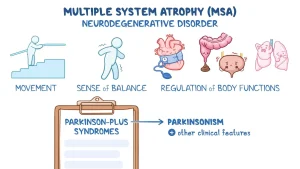
A rare neurodegenerative disorder that can cause bradykinesia alongside other motor and autonomic symptoms.
– Stroke or Traumatic Brain Injury:
Damage to specific areas of the brain can result in bradykinesia, depending on the location and extent of the injury.
Symptoms and Impact;

BRADYKINESIA CAUSES AND CONDITIONS
Bradykinesia manifests as a noticeable reduction in the speed and amplitude of movements. Symptoms may include:
– Slow and Reduced Movement: Difficulty initiating or performing movements quickly.
– Reduced Facial Expression: A decrease in spontaneous facial expressions, known as masked faces.
– Decreased Dexterity: Difficulty with fine motor tasks such as buttoning a shirt or writing.
These symptoms can lead to challenges in daily living, affecting tasks such as walking, eating, and personal hygiene.
Diagnosis;
Diagnosing bradykinesias involves a comprehensive evaluation by a healthcare provider, typically a neurologist. The assessment includes a detailed medical history, physical examination, and often neuroimaging to rule out other conditions. Diagnosis may also involve evaluating the response to specific treatments, such as dopaminergic medications, to confirm Parkinson’s disease.
Management and Treatment;

BRADYKINESIA CAUSES AND CONDITIONS
Managing bradykinesia involves a multi-faceted approach:
– Medications:
In conditions like Parkinson’s disease, medications such as levodopa and dopamine agonists can help improve motor function.
– Physical Therapy:

BRADYKINESIA CAUSES AND CONDITIONS
Tailored exercises and therapies can enhance movement speed, coordination, and overall mobility.
– Occupational Therapy:
Assistance with daily living activities and adaptive techniques can help manage the functional impact of bradykinesia.
Summary
A common sign of many neurological disorders is slowness of movement, which is referred to in medicine as bradykinesia. Bradykinesia, which comes from the Greek words “brady,” which means sluggish, and “kinesis,” which means movement, can have a major effect on day-to-day activities and quality of life.

Tips for Skin Breakage
Lip Breakage Causes and Treatments

Can Tremor be Cured?

A Step-by-Step Guide to Deleting Reels on Instagram

How to Create a WhatsApp Group