
Health
Lifestyle Hacks to Aid Quick Digestion Naturally


Struggling with bloating, sluggish digestion, or discomfort after meals? Your digestive health plays a vital role in your overall well-being — and the good news is, a few simple lifestyle tweaks can help you digest food faster and feel lighter.
Here are some easy lifestyle hacks to aid quick digestion and keep your gut happy:
1. Eat Mindfully and Slowly

Chewing your food thoroughly helps kickstart digestion in your mouth and reduces the workload on your stomach.
Hack: Slow down, savor each bite, and avoid distractions like phones or TV while eating.
2. Drink Warm Water
Warm water helps relax the digestive tract and stimulates digestive enzymes.
Hack: Start your day with a glass of warm water and sip on it before or after meals.
3. Add Fiber-Rich Foods to Your Diet
Fiber improves bowel movement and prevents constipation.
Hack: Include foods like whole grains, fruits, vegetables, seeds, and legumes in your daily meals.
4. Don’t Lie Down Immediately After Eating
Lying down right after a meal can slow digestion and cause acid reflux.
Hack: Stay upright or take a light walk for 10–15 minutes after eating.
5. Stay Hydrated Throughout the Day

Water helps break down food and absorb nutrients better.
Hack: Drink enough water during the day, but avoid chugging large amounts during meals to prevent diluting stomach acid.
6. Include Digestive Spices and Herbs
Certain herbs and spices naturally boost digestion and reduce gas.
Hack: Add ginger, turmeric, fennel seeds, cumin, mint, or coriander to your meals or tea.
7. Don’t Overeat
Overeating slows down digestion and leads to discomfort.
Hack: Eat smaller, balanced portions and stop eating when you’re about 80% full.
8. Exercise Regularly

Movement helps food move through your digestive system efficiently.
Hack: Engage in daily activities like walking, yoga, or light stretching to stimulate digestion.
9. Probiotics Are Your Gut’s Best Friend
Probiotics help maintain healthy gut bacteria that support faster digestion.
Hack: Eat yogurt, kefir, fermented foods (like kimchi or sauerkraut) or consider a probiotic supplement.
10. Keep Stress Levels in Check
Stress can mess with your gut and slow down digestion.
Hack: Practice deep breathing, meditation, or journaling to keep your mind calm and your gut healthy.
Final Thoughts
A happy digestive system starts with small, consistent habits. By adopting these easy lifestyle hacks, you can promote faster digestion, reduce discomfort, and improve nutrient absorption — naturally and effectively.
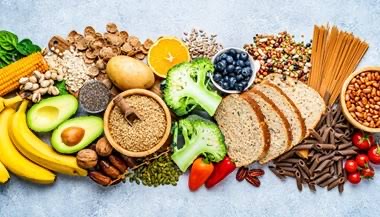

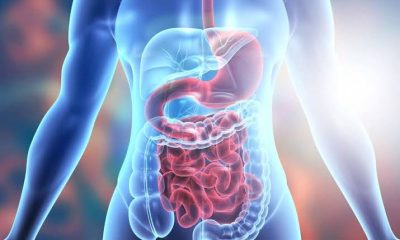




Traditional diets benefits. In contrast to today’s processed, convenience-focused foods, traditional diets are cultural eating patterns that have been refined over generations. They use local, whole, and minimally processed foods, emphasizing plants, seasonal variety, and traditional preparation methods. This often results in nutrient-rich meals that lower risks for modern chronic diseases like diabetes and heart disease. Fresh ingredients, a variety of local products (such as root vegetables, legumes, whole grains, fish, fruits, and wild greens), healthy fats, fermented meals, and bone broths that support gut health and sustainability are what define them.
TRADITIONAL DIETS BENEFITS
By emphasizing whole, unprocessed foods high in vitamins, minerals, fiber, and antioxidants, traditional diets promote gut health, increase immunity, lower the risk of chronic illnesses like diabetes, heart disease, and some types of cancer, and enhance cultural identity and general wellbeing. Compared to many contemporary diets, they offer a more balanced nutritional intake by emphasizing natural preparation techniques and a variety of products.
Benefits;

1. However, No processed, hydrogenated, refined, or denatured foods or substances (such as white flour, canned foods, pasteurized, homogenized, skim, or low-fat milk, protein powders.
2. Also, All traditional societies eat some form of animal food, including eggs, milk and dairy products, fish and shellfish, land and aquatic birds, land and marine mammals, and insects.

3. Foods rich in nutrients that contain four times the minerals, water-soluble vitamins, and ten times the fat-soluble vitamins present in animal fats compared to the typical American diet.
4. Meanwhile, All traditional cultures ingested certain animal it4. uncooked and cooked some of their food.
5. Lactose-fermented fruits, vegetables, dairy products, meats, and sauces are rich sources of food enzymes and beneficial bacteria that are found in primitive and traditional diets.
More Relevance;
6. However, To counteract naturally occurring anti-nutrients such tannins, phytic acid, and enzyme inhibitors, seeds, grains, and nuts are soaked, sprouted, fermented, or naturally leavened.

TRADITIONAL DIETS BENEFITS
7. Although, between 30 and 80 percent of calories in typical diets are fat, but only approximately 4% of those calories originate from naturally occurring polyunsaturated oils found in cereal, and vegetables.
8. Meanwhile, The necessary fatty acids omega-6 and omega-3 are present in almost equal proportions in traditional diets.

TRADITIONAL DIETS BENEFITS
9. There is some salt in every traditional diet.
10. However, Animal bones are utilized in all traditional civilizations; these are typically made into bone broths that are high in collagen.

TRADITIONAL DIETS BENEFITS
11. Also, Conventional societies provide specific, high-nutrient animal foods for expectant parents, growing children, and pregnant women; they also space out their children appropriately and instill in their youth the importance of eating a healthy diet.
Summary
Traditional foods are those that have been enjoyed for a long time or that have been passed down through the generations. Traditional meals and foods may have historical roots in another cuisine or in local, regional, or national cuisine. Restaurants serve traditionally prepared cuisine and beverages.


Types of eating disorders. Bulimia nervosa, or just bulimia, is an eating disorder. Eating disorders are among the mental health conditions that can be lethal. You might be obsessed with food and weight if you have an eating disorder. This addiction may have a negative impact on your emotional and physical well-being.
TYPES OF EATING DISORDERS
These disorders can have a major impact on social, psychological, and physical functioning. Anorexia nervosa, bulimia nervosa, binge eating disorder, avoidant restrictive food intake disorder, other specific feeding and eating disorder, pica, and rumination disorder are examples of eating disorders.
A pattern of eating that is indicative of bulimia is:
1. Eating a disproportionately high quantity of food in a brief period (binge eating).
2. Purging, or getting rid of the food. Using laxatives or forcing oneself to vomit are two methods of purging. Medication known as a laxative accelerates the passage of food through the body.
The abuse of diet or water tablets is one of the other possible symptoms of bulimia nervosa. • Fasting, or consuming extremely little or no food.

1. Overdoing it on exercise.
2. Storing food to later binge and purge.
Bulimia sufferers typically maintain a healthy, normal weight. However, they hold themselves in high regard due to their perception of their weight and/or physical type. Typically, their body image and self-esteem are closely related. More individuals classified as female at birth than as male at birth suffer from bulimia nervosa. Usually, it appears in adolescence or the early stages of adulthood. However, people of all ages may be impacted. Every year, between 1% and 2% of people will suffer from bulimia. People of any sex, gender, age, race, ethnicity, or body type can develop bulimia.
What’s the difference between bulimia nervosa and anorexia nervosa?

TYPES OF EATING DISORDERS
Typically, bulimia nervosa sufferers weigh a normal amount. They indulge in a pattern of recurrent binges and purges. Those who suffer from anorexia nervosa are typically underweight. To lose weight, they self-starve and follow strict diets and workout regimens. Despite being extremely thin, some who suffer from anorexia nervosa believe they are obese. They could get so skinny that they appear ill.
Signs and symptoms of bulimia nervosa?

TYPES OF EATING DISORDERS
1. Frequently using the restroom, especially after eating. • Overindulgent exercise. • An obsession with one’s appearance. • A strong aversion to putting on weight.
2. Substance addiction, anxiety, or depression. • Not feeling in control. • Experiencing shame or remorse after eating. • Isolating oneself socially from loved ones.
. Bloating of the cheeks or jawline; • Digestive issues include acid reflux and constipation; • Knuckle calluses, cuts, or scars from throwing up on your hands; • Passing out. eating disorder.
Summary
Anorexia nervosa, often known as anorexia, is the attempt to manage one’s weight through excessive exercise, insufficient food intake, or both. Bulimia is when you lose control over your eating habits and resort to extreme measures to avoid gaining weight.


Water contaminants. All bodily systems are impacted by water contaminants, but children and vulnerable groups are especially at risk. These side effects can range from short-term problems like diarrhea, vomiting, and skin rashes (caused by microbes) to long-term chronic issues like cancer, neurological disorders, kidney disease, and reproductive problems (caused by chemicals like lead, arsenic, and PFAS). Infectious disorders like cholera and typhoid are caused by microorganisms, whereas industrial pollutants and heavy metals can eventually lead to organ damage, developmental issues, and an increased risk of cancer.
WATER CONTAMINANTS
Water quality can be compromised and made unhealthy by a number of factors, including chemical pollution and microbial contaminants. Ensuring access to safe and clean water requires addressing these problems through efficient treatment, appropriate disposal procedures, and environmental protection. Although water is necessary for life, it can become unhealthy due to a number of circumstances. Both individuals and communities are at significant risk for health problems due to contaminated water. It is essential to comprehend these elements in order to guarantee that people have access to clean drinking water.
Common Contaminants;

1. Microbial Contaminants:
Bacteria, viruses, and parasites are significant threats to water quality. Pathogens such as E. coli, Giardia, and Cryptosporidium can cause gastrointestinal illnesses and other infections. These contaminants often enter water sources through inadequate sanitation and wastewater treatment.
2. Chemical Pollutants:

Water can become contaminated with harmful chemicals from various sources. Pesticides, heavy metals (such as lead and mercury), and industrial chemicals (like PCBs) can seep into water supplies through runoff or improper disposal. These pollutants can have severe health effects, including neurological damage and cancer.
3. Nutrient Overload:
Excess nutrients, particularly nitrogen and phosphorus, from agricultural runoff can lead to eutrophication. This process results in excessive algae growth, which depletes oxygen in the water and can produce toxins harmful to aquatic life and humans.
4. Pharmaceuticals and Personal Care Products:

water contaminants
Residues from medications and personal care products can enter water supplies through improper disposal or human waste. These substances can disrupt endocrine systems and impact both human and aquatic health.
5. Physical Contaminants:
Sediments, debris, and other physical materials can affect water quality by increasing turbidity, which can reduce the effectiveness of disinfection and harm aquatic ecosystems.
Prevention;
1. Water Treatment:

water contaminants
Effective water treatment processes, including filtration, chlorination, and UV disinfection, are essential for removing contaminants and ensuring water safety.
2. Proper Waste Disposal:
Proper disposal of chemicals, pharmaceuticals, and waste helps prevent pollutants from entering water sources.
3. Sanitation Practices:

water contaminants
Improved sanitation and sewage treatment reduce the risk of microbial contamination in water supplies.
4. Environmental Protection:
Protecting water sources from agricultural runoff, industrial discharge, and other pollutants helps maintain water quality and ecosystem health.
Summary
These pollutants could be man-made or naturally occurring. Nitrogen, bleach, salts, pesticides, metals, bacterial toxins, and medications for humans or animals are a few examples of chemical pollutants. Waterborne organisms are known as biological pollutants. Microbes or microbiological pollutants are other names for them.

Mangoes Healthy Impacts

The Elements of News Reports

Skills for Editing News

A Step-by-Step Guide to Deleting Reels on Instagram

How to Create a WhatsApp Group









Pingback: Eating slowly and weight loss are closely related!
Pingback: Chewing and Breaking down Food - SimplExplainer