Health
Malaria Transmission

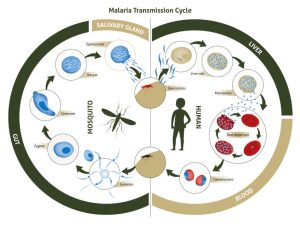

MALARIA TRANSMISSION
Malaria continues to pose a serious threat to world health, especially in tropical and subtropical areas. Reducing the risk of infection and successfully managing the condition require an understanding of the symptoms, mechanisms of transmission, and preventive actions. The burden of malaria can be lessened and eventually eradicated with sustained efforts at mosquito control, the use of insecticide-treated nets, drug prevention, and public health campaigns.
Transmission of malaria;

malaria transmission
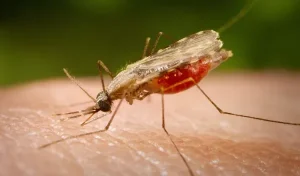
Malaria is transmitted by the bite of an infected Anopheles mosquito. The mosquito injects Plasmodium parasites into the bloodstream, where they travel to the liver, mature, and then re-enter the bloodstream to infect red blood cells. There are five species of Plasmodium that can infect humans, with Plasmodium falciparum being the most deadly.
Symptoms of malaria;

malaria transmission
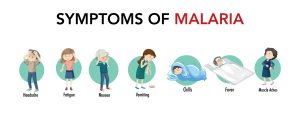
Symptoms of malaria typically appear 10 to 15 days after the infected mosquito bite. They can include:
– Fever: High, recurring fevers are a hallmark of malaria.
– Chills: Intense chills and shivering often accompany fever episodes.
– Headache: Severe headaches are common.
• Muscle and Joint Pain: Muscle aches and joint pain are frequent symptoms.
– Fatigue: Profound fatigue and general malaise.
– Nausea and Vomiting: Gastrointestinal symptoms may occur.
• Sweating: Profuse sweating often follows fever episodes.
In severe cases, malaria can cause complications such as anemia, respiratory distress, organ failure, and cerebral malaria, which affects the brain and can be fatal if not treated promptly.
Prevention;

malaria transmission
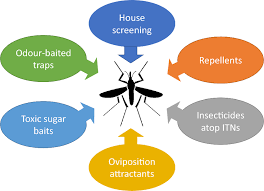
Preventing malaria involves a combination of measures to avoid mosquito bites and control mosquito populations. Key preventive strategies include:
– Use Insect Repellents: Apply repellents containing DEET, picaridin, or oil of lemon eucalyptus to exposed skin.
– Sleep Under Mosquito Nets: Use insecticide-treated mosquito nets (ITNs) when sleeping, particularly in areas with high malaria transmission.
– Wear Protective Clothing:


Wear long-sleeved shirts, long pants, and socks to reduce skin exposure.
– Indoor Residual Spraying: Spraying the interior walls of homes with insecticides can help reduce mosquito populations.
– Eliminate Standing Water: Remove or manage standing water where mosquitoes breed, such as in containers, puddles, and stagnant ponds.
– Antimalarial Medications: For travelers to malaria-endemic areas, taking prophylactic antimalarial drugs can reduce the risk of infection. Consult a healthcare provider for recommendations based on travel destination.
Treatment;
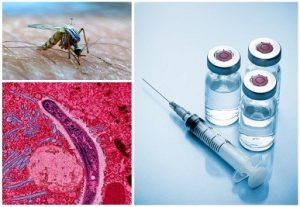

Prompt treatment is crucial for malaria, especially for infections caused by Plasmodium falciparum. Treatment typically involves antimalarial medications, such as:
– Artemisinin-based Combination Therapies (ACTs): These are the most effective treatment for P. falciparum malaria.
– Chloroquine: Used for infections caused by P. vivax, P. ovale, P. malariae, and some strains of P. falciparum in regions where resistance to chloroquine is not a concern.
– Other Medications:
Depending on the specific parasite species and resistance patterns, other drugs like mefloquine, quinine, or primaquine may be used.
Summary
Plasmodium parasites cause malaria, a potentially fatal illness that is spread to humans via the bites of female Anopheles mosquitoes carrying the infection. Malaria is still a serious public health concern in many regions of the world, especially in sub-Saharan Africa, despite tremendous international efforts to prevent and eradicate it.