Music
Musicians and Recording Apps

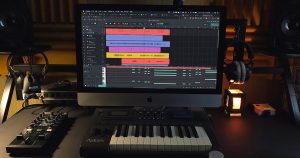
Musicians and recording apps. In addition to professional desktop software (DAWs) like Pro Tools, Ableton Live, or Logic Pro, musicians employ a variety of applications, from mobile DAWs like GarageBand (iOS) and BandLab for rapid recording/production to specialized tools like Moises (AI stem separation) and Voloco (auto-tune). From basic concepts (voice memos, loopers) to whole song production (multitrack recording, mixing, effects) and even music video editing (Adobe Premiere Rush, LumaFusion), apps are helpful.
MUSICIANS AND RECORDING APPS
Popular options include Recorder (Google), Otter.ai (transcription focus), Easy Voice Recorder, and specialized tools like OBS for PC, which cater to needs from quick notes to professional podcasts. Recording apps range from basic voice memo tools to sophisticated audio/video recorders with AI transcription, editing, and screen capture. Depending on whether you need voice, screen, or call recording, important features to consider include transcription, editing, format selections (MP3, WAV), cloud sync, and ease of usage.
1. GarageBand;
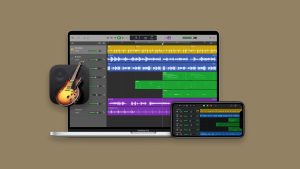
GarageBand is a powerful, easy-to-use phone music recording apps that turns your iPhone or iPad into a full-featured recording studio. It offers a wide variety of virtual instruments, loops, and effects, making it perfect for creating music from scratch or recording vocals. With its intuitive interface, it’s ideal for beginners and experienced musicians alike.
2. BandLab (iOS & Android);
BandLab is a free app that allows you to record, mix, and share your music easily. It features a 12-track mixer, a wide range of virtual instruments, and effects like reverb and compression. You can collaborate with other artists and even join a global community of musicians to share your work.
3. FL Studio Mobile;
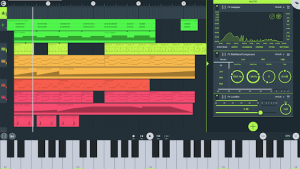
FL Studio Mobile offers a professional-grade experience for mobile music production. Known for its desktop version, this mobile app allows you to create multi-track projects, record live instruments, and add effects. The app also includes features like a MIDI controller and export options, making it suitable for serious producers.
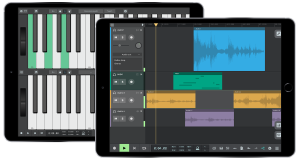
4. n-Track Studio (iOS & Android);
Musicians and recording apps
n-Track Studio is another great option for mobile music recording. It provides a multi-track recording environment where you can record vocals, instruments, and even mix in real-time. The app also supports external audio interfaces, giving you the flexibility to record with professional equipment directly into your phone.
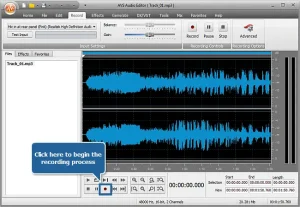
5. Voice Recorder & Audio Editor;
Musicians and recording apps
For simple voice or acoustic instrument recordings, this app does the job perfectly. Though primarily an audio recorder, it offers basic editing features and high-quality recording options. It’s perfect for musicians looking to capture quick ideas or record demos on the fly.
Summary
Musicians are people who make, perform, or write music. They can be solo performers or large ensembles like orchestras, and they can play a variety of roles like singers, instrumentalists, conductors, and songwriters. Notable musicians include Davido, Taylor Swift, and Burna Boy, as well as legendary performers like Frank Sinatra and The Beatles. They perform in a variety of situations and frequently define genres like Afrobeats, Pop, Rock, and R&B after putting in a lot of work to become proficient.
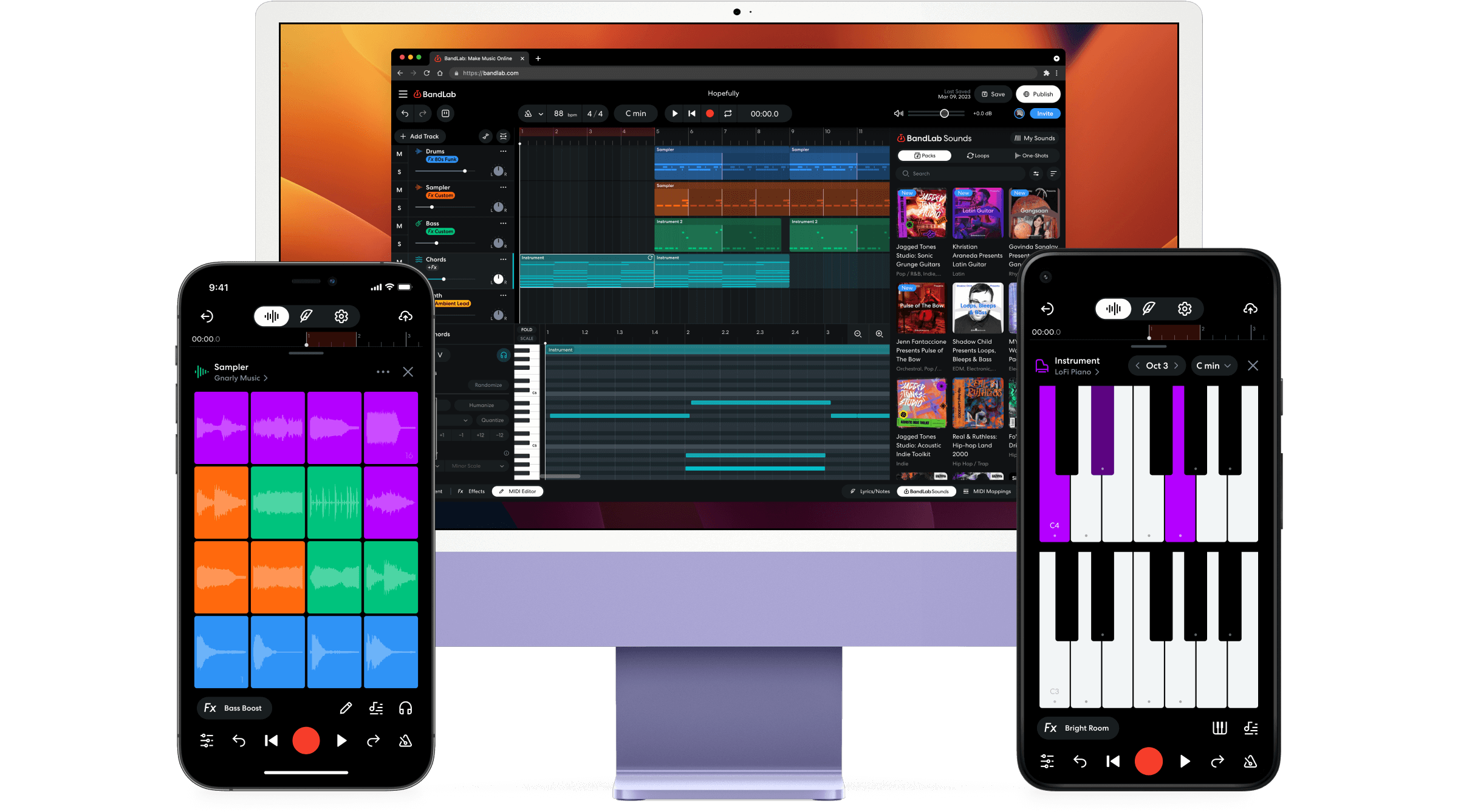
Bandlab Features. A multi-track DAW (Digital Audio Workstation) for desktop and mobile devices, collaboration tools, a huge library of royalty-free sounds, virtual instruments, and built-in effects, AI-powered features like Voice Cleaner, Voice-to-MIDI, and AutoMix for vocal enhancement and creative support, and expert tools like Mastering and a Sample Splitter are all included in BandLab’s free cloud-based music creation platform. With paid options for deeper functionality and artist services, its main features revolve around accessible, cross-device music production, ranging from simple recording to intricate mixing.
BANDLAB FEATURES
BandLab is a well-known, free, cloud-based music composition platform that offers virtual instruments, AI tools, and a social community. It is highly regarded for its accessibility, beginner-friendliness, and robust collaborative capabilities. Professional users discover that it lacks extensive mixing/VST support and sophisticated DAW capabilities like video integration or intricate routing, despite the fact that it is constantly updated with new tools, making it a potent, cost-effective option for many. BandLab is a standout mobile app for musicians, offering a full-featured music recording and production experience — and it’s completely free! Available on both iOS and Android, it’s designed for creators of all levels, from beginners to professional musicians.
Features;
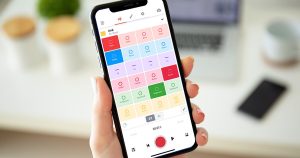
Bandlab Features
Meanwhile, bandLab provides a 12-track mixer, which allows users to layer multiple instruments, vocals, and loops seamlessly. With a wide variety of built-in effects like reverb, delay, and equalization, you can craft a professional-quality sound straight from your phone. The app also comes with virtual instruments, including drums, guitars, and pianos, giving you the flexibility to create music from scratch.
One of the unique aspects of BandLab is its collaboration features. You can connect with other musicians from around the world to collaborate on projects in real-time. This social aspect adds a community vibe that encourages creativity and learning.
Ease of Use;
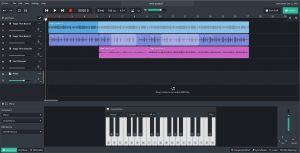
Bandlab Features
Although, bandLab’s interface is intuitive, making it easy to navigate even for those new to music production. The drag-and-drop features for loops and samples are straightforward, and the recording process is smooth, whether you’re laying down vocals or adding instrumentals.
Performance;
The app performs reliably, handling multiple tracks without crashing or lagging. It also offers cloud storage, allowing users to save and access their projects from any device.
Verdict;
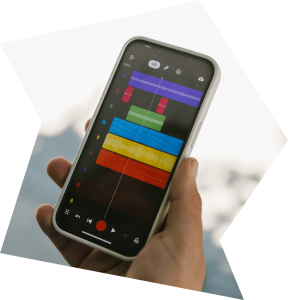
Bandlab Features
However, for a free app, BandLab is a powerhouse. It provides everything a musician needs to record, mix, and collaborate, making it an excellent tool for creating music on the go. Whether you’re a budding artist or a seasoned producer, BandLab is a must-try.
Summary
Also, with tools for recording, editing (including AutoPitch and Voice Cleaner), mixing, and mastering, as well as social features, a vast sound library, AI tools, and music distribution, BandLab is a free cloud-based DAW that enables both novices and experts to create songs from beginning to end.


Importance of listening to music. As a potent tool for stress relief, self-expression, and general cognitive enhancement, music is essential for mental, emotional, and physical well-being because it lowers stress, increases mood by releasing feel-good chemicals, enhances memory and focus, promotes sleep, strengthens social bonds, aids in the processing of emotions, and even has a positive impact on heart rate and blood pressure. Through a variety of platforms, such as SoundCloud, YouTube Music, Spotify, and live concerts, listening to music is a popular activity with significant mental and physical benefits, such as stress reduction, mood enhancement, improved memory, and focus.
IMPORTANCE OF LISTENING TO MUSIC
Health benefits of music. In addition to enhancing mood, music can reduce anxiety and pain and encourage emotional expression. Numerous studies point to the positive effects that music can have on both our mental and physical wellbeing. From managing pain and improving functioning following degenerative neurologic disorders to treating anxiety, depression, and stress, our hospice and palliative care board-certified music therapist uses music therapy to supplement traditional treatment for a range of illnesses and disease processes. By actively focusing on details or passively enjoying it, listening to music also increases brain chemicals like dopamine and serotonin.
Benefits;

1.The heart is healthy. Blood flows more readily when music is performed, according to research. It can raise blood levels of serotonin and endorphins, lower blood pressure, and slow down heart rate.
2. It makes you feel happier. The hormone dopamine can be increased in the brain by listening to music. This enhanced dopamine synthesis aids in reducing depressive and anxious symptoms. The brain region responsible for mood and emotions, the amygdala, directly processes music.
3. Stress is lessened. Music can alleviate stress by activating biological stress reducers, according to research.

importance of listening to music
4. The symptoms of depression are alleviated. Music, like exercise, can help lift your spirits when you’re feeling low.
5. It triggers recollections. Although there is no known treatment for dementia or Alzheimer’s disease, music therapy has been demonstrated to alleviate some of its symptoms. In addition to improving mood and encouraging open conversation, music therapy can help calm an anxious patient.
More Benefits;

importance of listening to music
6. It controls discomfort. Music therapy can aid in pain management by lowering stress levels and offering a powerful competing stimulus to the pain signals that reach the brain.
7. It reduces pain. In critical care, geriatric care, and palliative medicine, music can significantly lessen the perceived degree of pain.
8. People eat less as a result. People will eat more slowly and eventually eat less in one sitting if they play soothing music in the background and turn down the lights while they eat.

importance of listening to music
9. Also, it improves the endurance of workouts. A challenging workout can be made more physically effective and endurance-building by listening to that great workout music.
10. Also, It activates most parts of your brain. Nearly all of the various networks and areas of your brain are activated by music. Furthermore, it fortifies the connections among various brain regions. change moods
Summary
There are many advantages to music: it improves mental health by lowering stress, anxiety, and depression while enhancing mood, memory, and focus; it helps with physical health, pain management, sleep, and exercise performance; it fosters social connections and creative expression; learning an instrument even improves cognitive function and may prevent age-related decline.
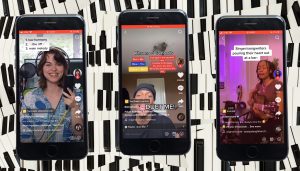
Musicians and tiktok contents. A range of TikTok content can be produced by musicians, such as performance videos, behind-the-scenes glimpses into their music production, and involvement in challenges and trends. In order to interact with fans, develop their brand, and market their music, content ideas also include “behind the song” explanations, Q&A sessions, partnerships with other artists, and lessons. Successful content frequently makes use of the platform’s capabilities and algorithm while being captivating and genuine.
MUSICIANS AND TIKTOK CONTENTS
In addition to being singers or musicians, musicians can also be composers, arrangers, or directors of music. They can specialize in one genre or combine several styles, and they can perform alone or in ensembles. Singers, musicians, songwriters, and conductors are a few examples.
1. Duets & Collaborations;

One of the easiest methods to develop your TikTok account as a musician is to do duets and stitches. You can incorporate other users in your material and truly take off with your growth and music career by encouraging these duets and other user-generated content.
Perhaps you could make a beat and ask people to join you in it. Another option is to have users sing over your music. You can also ask other people to join you in dancing challenges as you play your own music.
2. Deconstruct Your Song;

Musicians and tiktok contents
We must begin considering the possibility of you uploading videos with your own music in an alternative setting. Here’s how you succeed on TikTok. It’s true that you could simply record a music video and release it, but where would the originality be in that?
One fantastic trend among TikTok music producers and performers is to break down their tracks and gradually reveal each layer and component until you reach the finished product. This gives the viewer a trip and is an excellent illustration of how to publish content that revolves around your music.
3. Your Top 5 Albums;
The key to successful music marketing is to connect with your audience. You must demonstrate your personality outside of your tunes. This is where you may produce personal content about what inspires you, as well as mention other artists. You could mention the 5 songs that inspired you the most, your best movies, your favorite video games… the list goes on.
4. Post Cover Versions Of Your Favourite Songs;

Musicians and tiktok contents
It should go without saying, but it had to be said since, when done correctly, it can be a terrific way to quickly gain more admirers. You don’t have to use covers as your main content approach; I understand that musicians don’t want to be known as cover artists. On TikTok, however, a well-executed cover can serve as a fantastic springboard for viral success.
5. Tell Your Story;
Musicians and tiktok contents
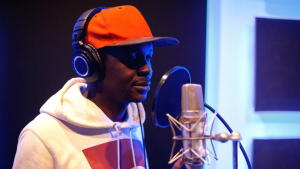
Inform others of your identity, origins, and future plans. You have to give your followers the chance to feel like they know you personally in order for them to become true members of your tribe. Don’t presume that everyone is familiar with your narrative! It can greatly clarify your purpose and the original motivation for your musical endeavors.
Summary
TikTok has a mixed review profile, highly praised for its engaging, personalized content and marketing potential, but criticized for safety concerns, poor customer service, and data privacy issues.

Water Contaminants

Rain Water Relevance

Amethyst Importance

A Step-by-Step Guide to Deleting Reels on Instagram

How to Create a WhatsApp Group