Food
Nigeria Delicacies


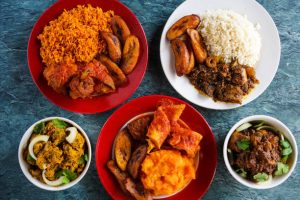
Nigeria delicacies. The variety of meals that are accessible in Nigeria is one of the many ways that the country is blessed. There are many different ethnic groups throughout the nation, which makes this possible. Despite coming from many ethnic groups, these cuisines are prepared and consumed across the nation. Because there are so many different types of Nigerian food accessible, the list is endless. This list is merely meant to serve as a guide to help you get settled and have fun while visiting the nation.
NIGERIA DELICACIES
Nigerians are known for their love of eating and are among the happiest people on the planet. They also enjoy eating. It’s a common idea in Nigeria that a man’s stomach is the path to his heart. The cuisine is as varied as the culture. Each of the more than 500 ethnic communities has its own cuisine. Here is a list of Nigerian dishes to try in order to assist tourists, travelers, and visitors settle in while in Nigeria.
1. Rice dish;
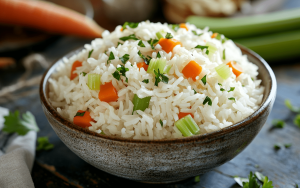
Nigeria’s national meal, jollof rice, is of senegalese origin and is spread throughout west africa, however the ingredients may differ slightly. To make it, rice is cooked in a thich tomato sauce, allowing the flavors to seep into the rice. Jollof rice is typically made with rice, tomatoes, onions, tomato paste, salt, and pepper. Any type of fish, vegetable, meat, or spice can be placed on top of that. A tasty sauce is essential, thus in addition to tomatoes, other components used in the sauce include coconut milk, nutmeg, partminger (African basil leaf), and occasionally even Roiboos tea.
2. Suya;

NIGERIA DELICACIES
This well known Nigeria meal, thought to have originated with the Hausa people, uses thinly sliced beef or chicken that is heavily seasoned before being roasted over open charcoal grills. Ground peanuts and red peppers are combined to create the suya or yaji, a dry spice blend that is the key component of every suya
3. Egusi Soup;
Egusi is a traditional west and central african soup or sauce made with onions, tomatoes, fiery chili peppers, and oil. It is especially popular in Nigeria and the central African Republic. Traditionally, squash, melons, gourds, and pumpkin seeds are used to make flour, which is then used to thicken the mixture.
4. Efo – Riro;
NIGERIA DELICACIES
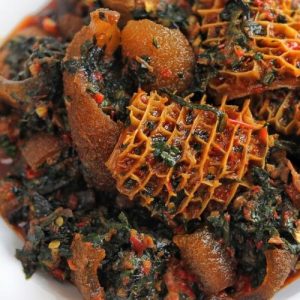
A filling Nigeria soup, efo riro is a yoruba specialty. Stock cubes, pumpkin leaves, onions, tomatoes, and various meats or fish are typically included. Efo riro, which translates to “vegetable soup,” is best served with fufu on the side.
5. Eba;
A staple meal in Nigeria, Eba or garri is made by mixing hot water and cassava flour. Traditionally, the mixture is worked into a ball rolling it around a huge wooden spoon until it solidifies. Nearly all Nigeria soups are served with Eba
6. Moi Moi;

NIGERIA DELICACIES
A Nigerian meal called moin moin is made with black eyed peas or ground beans, onions, oil, and freshly ground peppers such scotch bonnet, bell pepper and chili. Typically, the dish is served with akamu, fried plantains and jollof rice.
Summary
Also, popular Nigerian foods like Jollof rice, Egusi soup, and pounded yam are frequently paired with other soups and stews. Other well-liked foods include rice and plantain dishes like Banga rice and dodo (fried plantain), as well as street snacks like Suya and Akara.







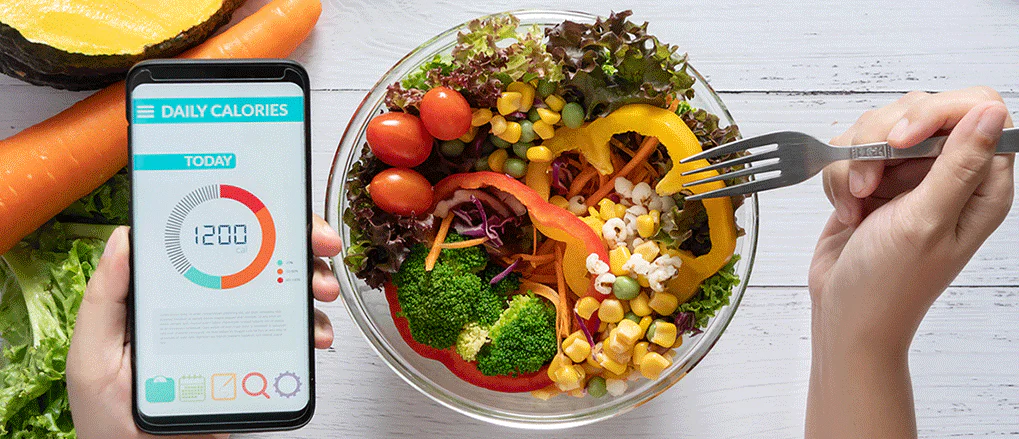
Healthy calories food. food that is high in calories. The best foods for gaining weight are frequently plant and animal protein, fats and oils, complex carbohydrates, and whole-milk dairy products. What you should eat, however, will depend on your specific weight and health goals. For some people, gaining weight or building muscle may be just as difficult as losing weight.
HEALTHY CALORIES FOOD
Nuts and nut butters, avocados, full-fat dairy, whole grains (quinoa, oats), olive oil, fatty fish (salmon), dried fruits, eggs, and other foods are rich in calories but high in nutrients. In addition to providing protein, healthy fats, and energy, these foods can help you gain weight without consuming unnecessary calories.
You should aim to consume more calories than you expend over the day by eating smaller, more frequent meals if you want to gain weight. Including specific foods in your diet can help you gain weight in a safe and efficient way by providing extra calories and nutrients, such as protein. You must consume more calories to provide your body the energy it needs to create muscle if you want to acquire weight in the form of lean muscle mass. Approximately 3000 calories a day is a healthy goal. Depending on how many strength-building workouts you are doing, you might need to eat more or less than this.
1. Protein smoothies made at home;
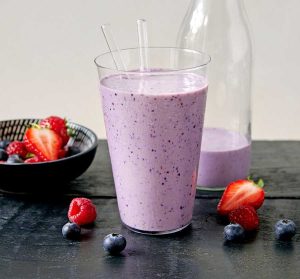
Making protein smoothies at home can be a very healthy and efficient method of gaining weight. You can increase your calorie intake and have complete control over the ingredients when you make your own smoothies.
2. Milk from dairy;
For many years, people have utilized dairy milk to gain weight or grow muscle. Along with being a healthy good source of calcium and other vitamins and minerals, it offers a balance of proteins, carbohydrates, and fats. Milk is a great source of casein and whey proteins, which are both important for muscle growth.
3. Rice;
One easy and inexpensive carbohydrate that can be included in a weight-gain diet is rice. 204 calories, 44 g of carbohydrates, and very little fat are included in just 1 cup of cooked white rice. Additionally, rice is fairly calorie-dense, meaning that one serving can provide a significant quantity of calories and carbohydrates. This encourages you to eat more, particularly if you are not particularly hungry or feel satisfied easily.
4. Nut butter with nuts;
Nuts and nut butter are beneficial to a weight-gain diet. One tiny handful 1/4 cup, or approximately 32 g of raw almonds has 15 g of fat, 6 g of protein, and 170 calories. Nuts are high in calories, so even two handfuls eaten as a snack or with a meal each day can quickly accumulate hundreds of calories.
5. Meats that are red;
healthy calories food
Red meats, such as beef or pork, are likely among the best foods for growing muscle. For instance, 3 ounces (85 grams) of steak has about 2.5 grams of leucine, 24 grams of protein, and 228 calories. The essential amino acid required by your body to promote muscle protein synthesis and build new muscle tissue is leucine.
6. Complex carbs and Potatoes;
Complex carbs, such as potatoes, are an inexpensive approach to increase calorie intake. Energy can be released steadily from complex carbs. Other dietary groups and nutrients like potassium, fiber, veggies, and whole grains are also provided by them.
7. Oily seafood and salmon;
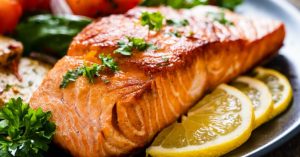
healthy calories food
Salmon and oily fish are great providers of protein and essential fats, such as omega-3 fatty acids, just like red meat. Omega-3 fatty acids have several health advantages and may lower the risk of heart disease and other illnesses.
Summary
If you want to try to gain weight, you have to constantly consume more calories than you burn. To make sure the lifestyle changes you make are safe and helpful, think about speaking with a doctor or certified nutritionist before trying to put on weight. Lifting weights allows you to burn more calories to build muscle instead of storing them as fat.
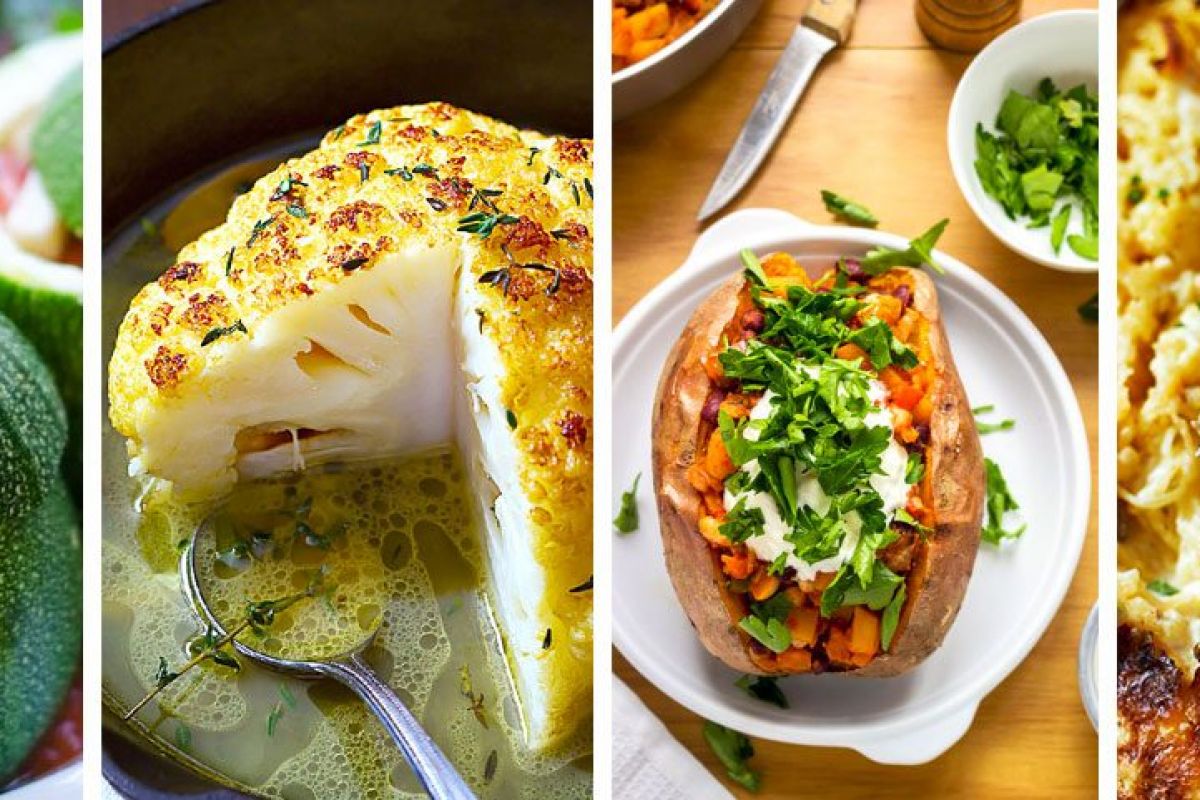
Types of meatless recipes. Check out this delicious collection if you want to incorporate more vegetarian options into your weekly supper routine. Being vegetarian isn’t as hard as you would think, with dishes for tasty grilled kebabs, mac & cheese, and even soft veggie burgers. Even your pickiest eater and most loyal meat lover will be pleased with the variety of options available, and your family will be requesting more meatless meals. The best part, if that isn’t appealing enough, is that the bulk of these recipes are simple and quick to prepare—they can be on the table in less than an hour.
TYPES OF MEATLESS RECIPES
Meatless recipes for you. Take a peek at this delectable selection if you want to add meatless dishes to your weeknight supper rotation. With recipes for flavorful grilled kebabs, mac & cheese, and even soft vegetable burgers, switching to a vegetarian diet isn’t as difficult as you would think. This compilation of simple vegetarian meals is not rabbit food at all. Think of dishes like potato pierogi with sautéed cabbage and apples, tacos with goat cheese, and creamy spaghetti with a smooth pepper and cheese sauce—all of which are quite gratifying. You won’t go hungry after eating these vegetarian dishes, we assure you.
1. Cauliflower Roasted;
This roasted vegetable is elevated with a Creole-mustard-and-honey marinade, and its smoky, citrusy mayo adds more flavor.
2. Fajitas with vegetables;
A thick sauce consisting of smoked paprika, cumin, Worcestershire sauce, and ketchup is used to glaze peppers, onions, and portobello mushrooms. You may have a nice vegetarian supper by putting this meatless filling inside warm tortillas and garnishing them with sour cream.
3. Pasta in a skillet;
This takes the traditional Italian pasta dish and adds cherry tomatoes, peas, and asparagus along with basil. However, this recipe is as versatile as it is tasty, so feel free to substitute other vegetables if you have them.
4. Salad with Farro;
Fresh vegetables and nutritious whole grains abound in this vibrant salad. Pearled or whole farro (or another grain) can be used, though whole farro will cook a bit slowly.
5. Pasta with French onions;
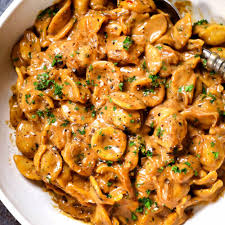
This recipe, which only requires one pot, blends pasta and traditional soup to create a dish that is so hearty that you won’t even miss the meat. You can use veggie broth in place of the beef broth to make the dish.
6. Rice casserole with okra;
You can’t go wrong when you combine two Southern favorites into a casserole. A combination of bell pepper, celery, tomatoes, onion dances with a generous amount of okra.
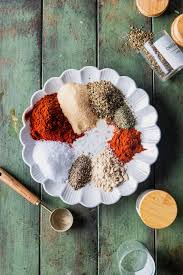
7. The Cajun seasoning and garlic;
TYPES OF MEATLESS RECIPES
This give everything a nice flavor, and the rice serves as a vehicle for soaking up the comforting broth.
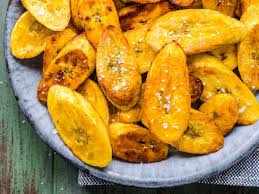
8. Cuban Rice Bowls with Black Beans and Yellow;
Purchase black plantains or allow it to ripen before cooking, since they are ready to cook when their peels turn black on the exterior.
9. Heat-and-serve frozen plantains;
TYPES OF MEATLESS RECIPES
These are also available at several supermarkets. The plantains add a sweet crunch to this dish, which you will love.
Summary
Changing up your weekly dinners to these easy vegetarian supper options can not only increase your intake of nutrient-dense vegetables but also reduce your grocery expenses. In partnership with Coles, we are happy to offer this gallery.
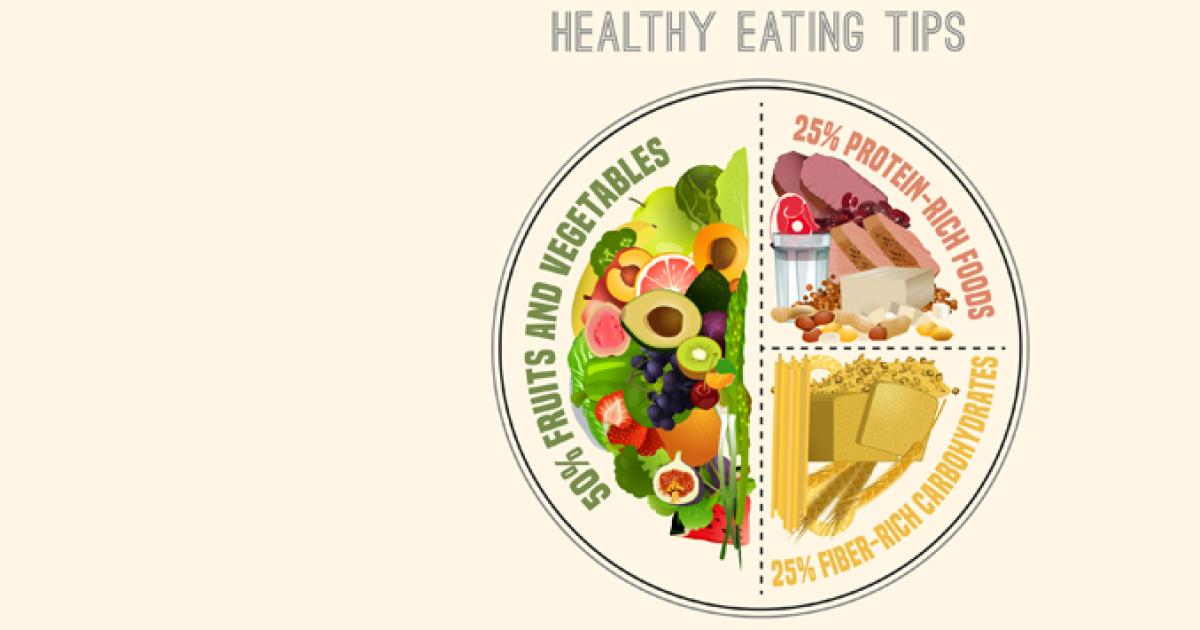
Healthy eating tips. Protein, dairy, complete grains, fruits, and vegetables are all essential parts of a balanced diet. Dairy products that are recommended include lactose-free milk, low-fat or fat-free milk, and fortified soy beverages. Compared to other plant-based beverages, soy and animal milk beverages have better nutritional value. Protein-rich foods include lean meats and poultry, seafood, eggs, legumes (beans, peas, and lentils), soy products, nuts, and seeds.
HEALTHY EATING TIPS
Therefore, making major changes to your food or lifestyle all at once might be devastating. Try implementing one or two of the aforementioned changes at a time to improve your nutrition gradually. Some of these ideas can help you manage your portion sizes, while others will help you boost your nutrient intake or get used to something new. When combined, these changes may have a substantial effect on your overall health and wellbeing.
1. Consume food from smaller plates;
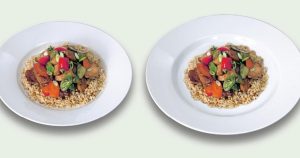
How much you eat might be influenced by the size of your dinnerware. Your portion may appear less when you eat from a large dish, but it may appear larger when you eat from a small plate. Furthermore, you won’t make up for it by eating more at your next meal if you’re not aware that you’re eating less than normal. You can reduce your risk of overeating by using smaller plates, which will fool your brain into believing you are eating more.
2. Prioritize eating your greens;
Enjoying greens as an appetizer is a smart approach to make sure you eat them. You’ll probably finish all of your greens while you’re feeling particularly hungry if you do this. Later on, you might eat fewer, possibly less nutrient-dense meal components as a result.
3. Reduce your speed;

Healthy eating tips
Both how much you eat and your risk of gaining weight are influenced by how quickly you consume are controlled by hormones, how much you eat, and how full you feel. Your brain receives hormone signals that tell it when you are full or hungry.
4. Never go shopping without a list;
When you go grocery shopping, there are two key tactics to use: Don’t go to the supermarket hungry, and make your shopping list in advance. While hunger can lead you to add even more low-nutrient foods to your shopping basket, not knowing exactly what you need allows for impulsive purchases.
5. Make sure to stay hydrated;

Healthy eating tips
Your health depends on drinking adequate water. Water consumption has been linked to both weight reduction and weight maintenance, according to numerous research. It might even somewhat raise your daily caloric expenditure.
6. Consume supplements;
However, Globally, about 1 billion people suffer from vitamin D deficiency. Vitamin D is a fat-soluble vitamin that is essential for healthy bones and a healthy immune system. The fact that vitamin D has receptors in every cell in your body shows how important it is.
7. Increase your level of activity;

Healthy eating tips
Also, Exercise and a healthy diet frequently go hand in hand. Exercise has been demonstrated to elevate your mood and reduce stress, anxiety, and depressive symptoms. Emotional and binge eating are more likely to be influenced by these very emotions.
Summary
Consuming a range of nutrient-dense foods with an emphasis on fruits, vegetables, whole grains, and lean proteins while reducing processed foods, sugar, and sodium is known as healthy eating. Planning meals in advance, eating in moderation, and drinking lots of water are all important habits. Give healthy fats like olive oil and fresh produce top priority.

Capable God Lyrics

Glorious God Lyrics

Ancient of Days Lyrics

A Step-by-Step Guide to Deleting Reels on Instagram

How to Create a WhatsApp Group