Health
Nutritional Facts of Pumpkin

Nutritional Facts of Pumpkin. It is a nutrient-dense food that offers a wide range of health advantages, from supporting eye health and strengthening the immune system to aiding in weight control and maintaining heart health.Its versatility in the kitchen makes it easy to incorporate into various dishes, allowing you to enjoy its rich flavor and numerous nutritional benefits. Including pumpkin in your diet, whether in salads, baked goods, or soups, is a delicious approach to improve your general health.
NUTRITIONAL FACTS OF PUMPKIN
Pumpkin is a highly nutrient-dense, low-calorie squash. One cup (245g) of cooked pumpkin contains only 49 calories but delivers more than 200% of your daily Vitamin A needs, along with solid amounts of fiber, potassium, and antioxidants. It is nearly fat-free and beneficial for weight management, eye health, and immune support
1. Rich in Nutrients;


Eating Pumpkin is healthy because pumpkins are packed with essential vitamins and minerals, including vitamins A, C, and E, as well as potassium and fiber. Vitamin A, derived from the high beta-carotene content in pumpkin, is crucial for maintaining good vision, supporting immune function, and promoting healthy skin. Vitamin C acts as an antioxidant and boosts the immune system, while vitamin E protects cells from oxidative damage.
2. Supports Eye Health;
The high levels of beta-carotene in pumpkin are converted into vitamin A in the body, which is essential for eye health. Vitamin A helps maintain the surface of the eyes and is vital for good vision, especially in low-light conditions. Consuming pumpkin can help prevent deficiencies that lead to vision problems and age-related macular degeneration.
3. Boosts Immune System;
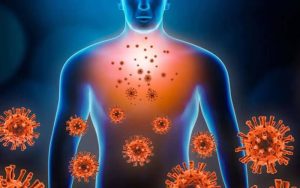

Pumpkin is rich in vitamins A and C, both of which play a crucial role in enhancing the immune system. Vitamin A helps regulate the immune response, while vitamin C stimulates the production of white blood cells, which are essential for fighting infections. The antioxidants in pumpkin also help protect the body from harmful free radicals.
4. Aids in Weight Management;
Pumpkin is low in calories and high in fiber, making it an excellent food for weight management. The high fiber content promotes feelings of fullness and satiety, which can help reduce overall calorie intake. Additionally, the fiber aids in digestion and helps maintain a healthy gut.
5. Heart Health;
The potassium in pumpkin helps regulate blood pressure by counteracting the effects of sodium in the diet. Adequate potassium intake is associated with a lower risk of stroke, high blood pressure, and heart disease. Pumpkin also contains antioxidants like beta-carotene and vitamin C, which help reduce inflammation and oxidative stress, further supporting heart health.
How to Incorporate Pumpkin into Your Diet;


Nutritional Facts of Pumpkin
– Soups and Stews: Add pumpkin puree to soups and stews for a creamy texture and rich flavor.
– Baking: Use pumpkin in baked goods like muffins, breads, and pies for a nutritional boost.
– Roasting: Roast pumpkin cubes with a drizzle of olive oil and your favorite spices for a tasty side dish.
– Smoothies: Blend pumpkin puree into smoothies with spices like cinnamon and nutmeg for a delicious and nutritious drink.
– Salads:


Nutritional Facts of Pumpkin
Add roasted or steamed pumpkin to salads for added texture and nutrition.
Summary
Vitamins A, E, and C, omega-3 fatty acids, zinc, selenium, iron, magnesium, and beta-carotene are among the immune-boosting minerals found in pumpkin. Consuming pumpkin may help manage immune-related diseases, reduce how often you fall sick, and help you recover faster from infections.