Health
Nutritional Value of Cayenne Pepper


Nutritional value of cayenne pepper. With roots in the Americas, cayenne pepper has a rich history. Cayenne pepper was first cultivated and used by indigenous peoples throughout the Americas, especially in Mexico and Central America. They appreciated it for its therapeutic qualities in addition to its taste. During his travels, Christopher Columbus came discovered this hot spice and took it back to Europe, where it soon became well-known and spread throughout the continent.
NUTRITIONAL VALUE OF CAYENNE PEPPER
with its intense heat and flaming red color. For ages, garlic has been a mainstay in kitchens and medicine cabinets all across the world. named after the French Guiana city of Cayenne. The dried and powdered seeds of the Capsicum annuum plant are used to make this adaptable spice. Let’s explore the intriguing facts, culinary applications, health advantages, and rich history of cayenne pepper.
Culinary Uses;
Cayenne’s pepper is a versatile ingredient that can add heat and depth to a wide variety of dishes. It is commonly used in:
1. Spice Blends:


Cayenne is a key component in many spice mixes, such as chili powder, Cajun seasoning, and curry powders.
2. Hot Sauces:
It forms the base of many popular hot sauces, lending its signature heat to condiments like Tabasco and Sriracha.
3. Marinades and Rubs:
A pinch of cayenne can enhance the flavor of meat and vegetable marinades and rubs, giving dishes a spicy kick.
4. Soups and Stews:
Adding cayenne pepper to soups, stews, and chili can elevate their flavor profile and add a warming element.
5. Savory Snacks:
Sprinkling cayenne on popcorn, roasted nuts, or chips can provide an extra layer of excitement to these snacks.
Health Benefits;


NUTRITIONAL VALUE OF CAYENNE PEPPER
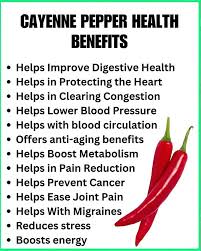
Beyond its culinary use, cayenne’s pepper is well known for its many health advantages. The primary ingredient in cayenne that gives it its spiciness, capsaicin, is primarily responsible for these advantages. Some notable health advantages include:
1. Pain Relief: Capsaicin is known to have analgesic properties and is often used in topical creams to relieve pain from conditions like arthritis and muscle soreness.
2. Metabolism Boost: Consuming cayenne’s pepper can increase metabolic rate, helping the body burn more calories and potentially aiding in weight management.
3. Digestive Health: Cayenne pepper can stimulate the digestive tract, increasing the production of enzymes and gastric juices, which can help improve digestion and reduce bloating.
4. Cardiovascular Health: Studies suggest that cayenne pepper can help lower blood pressure, improve circulation, and reduce cholesterol levels, thereby promoting heart health.
5. Anti-Inflammatory Properties: Capsaicin has anti-inflammatory effects, which can be beneficial for reducing inflammation in conditions like rheumatoid arthritis.
Fascinating Facts;


NUTRITIONAL VALUE OF CAYENNE PEPPER
1. Scoville Scale: Cayenne pepper ranks between 30,000 to 50,000 Scoville Heat Units (SHU) on the Scoville scale, which measures the heat of chili peppers.
2. Ancient Remedies: Indigenous cultures used cayenne pepper as a remedy for various ailments, including toothaches, wounds, and respiratory issues.
3. Versatile Growth: The Capsicum annuum plant is incredibly adaptable and can be grown in a variety of climates, making cayenne pepper widely available.
4. Cultural Significance: In addition to its culinary and medicinal uses, cayenne pepper holds cultural significance in many traditions, often symbolizing protection and purification.
Summary
More than just a spice, cayenne pepper is a flavor and health powerhouse. had a long history. Whether you want to give your food a spicy twist. Cayenne pepper has several applications, whether you’re looking for natural cures for a variety of illnesses. Its colorful presence in the medicine cabinet and kitchen is evidence of its exceptional flexibility and ongoing popularity.