Food
Nutritional Value of Liver

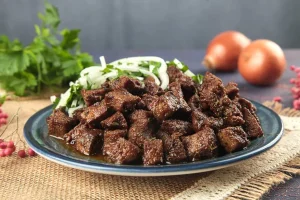

Nutritional value liver. Adding liver to your diet can significantly increase your nutrient intake, improving everything from immunity to energy levels. The health advantages of liver-rich dishes make them a worthy addition to a balanced diet, despite their potent flavor. Enjoying liver can be an easy yet powerful approach to promote general well-being, whether through classic or contemporary culinary creations.
NUTRITIONAL VALUE OF LIVER
Rich in high-quality protein and vital vitamins and minerals, particularly B vitamins (especially B12), vitamin A, iron, copper, and selenium, liver is incredibly nutrient-dense. It provides nutrients like folate and choline, which are essential for the functioning of cells and the brain, and is an excellent source of bio available heme iron, which helps prevent anemia.
1. High in Essential Nutrients;
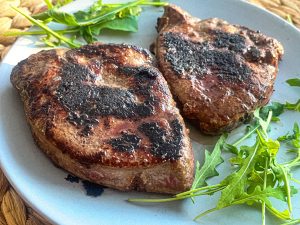

Liver is an excellent source of essential nutrients such as vitamin A, vitamin B12, iron, folate, and copper. Vitamin A supports vision, immune function, and skin health, while vitamin B12 is crucial for red blood cell formation and neurological function. Iron helps prevent anemia by promoting healthy red blood cells, and folate is vital for DNA synthesis and repair.
2. Boosts Energy Levels;
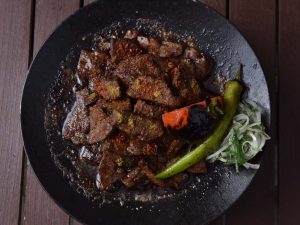

The high concentration of B vitamins, particularly B12 and riboflavin (B2), found in liver helps convert food into energy. These vitamins play a significant role in energy metabolism, ensuring that the body efficiently produces and utilizes energy, which can help reduce fatigue and improve overall vitality.
3. Supports Immune;


Nutritional value liver
Liver is rich in vitamin A and zinc, both of which are essential for a robust immune system. Vitamin A enhances the function of white blood cells, which are crucial for fighting infections, while zinc plays a critical role in maintaining immune system function and wound healing.
4. Promotes Healthy Brain;


Nutritional value liver
Liver contains high levels of choline, an essential nutrient that supports brain health and cognitive function. Choline is a precursor to acetylcholine, a neurotransmitter involved in memory and muscle control. Adequate choline intake is associated with improved cognitive performance and a lower risk of neurodegenerative diseases.
5. Improves Skin Health;


Nutritional value liver
The abundance of vitamin A in liver contributes significantly to skin health. Vitamin A promotes cell turnover and helps maintain the integrity of the skin barrier, reducing the risk of acne and other skin conditions. Additionally, liver’s rich supply of collagen-promoting nutrients supports skin elasticity and can help reduce the appearance of wrinkles.
Summary
One of the meals with the highest nutrient content is liver, which is sometimes referred to as a super food. Because of its rich nutrient content, eating liver can have several health benefits. Here are five main arguments for the importance of eating foods high in liver for general health and well being.