tea
Nutritional value of tisanes

Nutritional value of tisanes. Herbal teas are a powerful concoction that can improve your mental, emotional, and physical health in addition to being a calming beverage. from strengthening immunity and offering antioxidant defense to encouraging rest and digestive wellness. Numerous health advantages of herbal tea might help you on your path to complete wellness. Whether you’re enjoying a cool mixture of peppermint and ginger after a meal or taking a cup of chamomile before bed. One easy yet effective way to feed your body and soul is to incorporate herbal tea into your daily routine. So why not enjoy the numerous health advantages that herbal teas have to offer and brew a cup of herbal deliciousness today?
NUTRITIONAL VALUE OF TISANES
In a world where stress is rampant and wellness is a top priority, herbal tea emerges as a soothing elixir. Offering not only warmth and comfort but also a myriad of health benefits. From promoting relaxation and aiding digestion to boosting immunity and supporting overall well-being. Herbal teas has been cherished for centuries for its therapeutic properties. In this article, we’ll delve into the health importance of herbal tea, exploring its diverse range of benefits and how it can enhance your daily wellness routine.
Promotes Relaxation and Stress Relief:
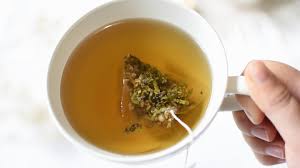

One of the most well-known benefits of herbal tea is its ability to promote relaxation and reduce stress. Herbs like chamomile, lavender, and lemon balm contain natural compounds that have calming effects on the nervous system, helping to ease tension, soothe anxiety, and promote restful sleep. Enjoying a cup of herbal tea before bedtime can create a tranquil bedtime ritual, helping you unwind and prepare for a peaceful night’s sleep.
Supports Digestive Health:
Many herbs commonly used in herbal tea blends are prized for their digestive benefits. Peppermint, ginger, fennel, and dandelion are just a few examples of herbs that can aid digestion, alleviate bloating. And relieve gastrointestinal discomfort. These herbs work by promoting healthy digestion, reducing inflammation in the digestive tract, and soothing digestive spasms. Sipping on herbal tea after a meal can help soothe the stomach and promote optimal digestion.
Boosts Immunity:


Nutritional value of tisanes
Herbal tea can also play a role in boosting the immune system and defending the body against illness. Herbs like echinacea, elderberry, and astragalus are known for their immune-enhancing properties. Helping to strengthen the body’s natural defenses against infections and viruses. Drinking herbal tea regularly can support immune function and help ward off colds, flu. And other common illnesses, especially during colder months when immune support is needed most.
Provides Antioxidant Protection:
Many herbs used in herbal tea are rich in antioxidants, compounds. That help protect the body against oxidative stress and free radical damage. Antioxidants play a crucial role in reducing inflammation, preventing chronic diseases, and promoting overall health and longevity. Herbs like green tea, rooibos, hibiscus, and turmeric are particularly high in antioxidants. Making them valuable additions to your daily wellness routine.
Hydration and Detoxification:


Nutritional value of tisanes
Staying hydrated is essential for overall health and well-being. Herbal tea offers a delicious way to increase your fluid intake throughout the day. Unlike caffeinated beverages like coffee or black tea, herbal tea is caffeine-free and can be enjoyed anytime, day or night. Additionally, certain herbs like dandelion, nettle, and milk thistle have diuretic properties that support kidney function and promote detoxification, helping to flush out toxins and impurities from the body.
Summary
Tisanes, also referred to as herbal teas, are infusions made by steeping leaves, roots, flowers, seeds, or fruits in hot water. They are significant because they offer a natural, antioxidant-rich, caffeine-free hydration option and have historically been used as all-encompassing treatments for immune system support, stress reduction, and digestion.