Health
Nutritional Value of Zinc

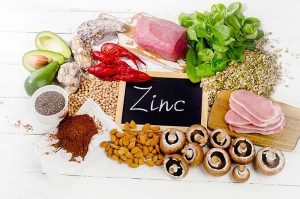

Nutritional value zinc. It is an essential mineral that has several health advantages, including boosting immunity and wound healing, encouraging growth and development, improving cognitive function, and increasing metabolic health. Maintaining these vital body processes and promoting general health and well being can be achieved by ensuring sufficient intake through a balanced diet or supplements. You can promote your body’s optimal function and guard against a number of health problems by making foods high in zinc a priority in your diet.
NUTRITIONAL VALUE OF ZINC
Zinc is an essential trace mineral that plays a crucial role in numerous biological functions. Found in foods like meat, shellfish, legumes, and seeds, zinc is vital for maintaining overall health. Here are five key reasons why zinc is important for your body:
1. Supports Immune Function;
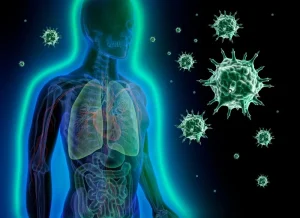

Zincs are vital for a healthy immune system. It helps in the development and function of immune cells such as T-cells and white blood cells. Adequate zinc levels are crucial for the body’s ability to fight off infections and illnesses. Zinc also acts as an antioxidant, protecting cells from damage caused by free radicals and reducing inflammation.
2. Promotes Wound Healing;
Zinc plays a significant role in wound healing and tissue repair. It is essential for collagen synthesis, cell proliferation, and immune function, all of which are necessary for the healing process. People with it’s deficiency may experience delayed wound healing and increased susceptibility to infections.
3. Supports Growth and Development;
Zincs are crucial for proper growth and development, particularly during pregnancy, childhood, and adolescence. It is involved in DNA synthesis, cell division, and protein production. Adequate intake of it is essential for normal physical development and cognitive function in children, and it supports reproductive health in adults.
4. Zinc Enhances Cognitive Function;
It is important for brain health and cognitive function. It plays a role in neurotransmitter function, which affects mood, memory, and learning. Adequate zinc levels are associated with improved mental performance and a lower risk of neurodegenerative diseases such as Alzheimer’s. Zincs also helps protect the brain from oxidative stress and inflammation.
5. Zinc Supports Metabolic Function;
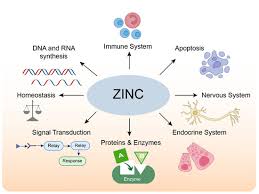

It is involved in numerous enzymatic reactions in the body, influencing metabolism and energy production. It is essential for the metabolism of carbohydrates, proteins, and fats. Zincs also plays a role in insulin regulation and blood sugar control, making it important for maintaining healthy metabolic function and reducing the risk of metabolic disorders such as diabetes.
Summary
Zinc is a necessary mineral for cell metabolism, DNA synthesis, wound healing, and immunological response. It is essential for cell division, protein synthesis, and the healthy operation of the senses of taste and smell. While a zinc deficit can result in weakened immunity, sluggish wound healing, and hair loss, getting enough zinc from foods like meat, oysters, nuts, and seeds promotes general health.