
Food
Nuts and seeds for heart health

Nuts and seeds for heart health
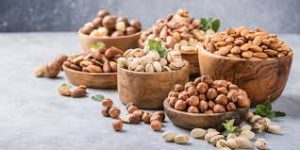
Despite their small size, nuts and seeds are incredibly nutritious. Our analysis of the most recent data demonstrates the importance of nut and seeds in a diet that promotes heart health.
Types of nuts
There are numerous definitions for nuts. To put it simply, a nut is a dry fruit with one or two edible seeds enclosed in a hard shell.
- almonds
- Brazil nuts
- hazelnuts
- cashews
- macadamias
- pecans
- pine nuts
- pistachios
Types of seeds
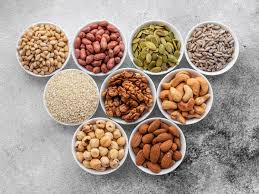
Compared to nuts, seeds are often smaller and can be prepared differently. Instead of eating seeds on their own, you’re more likely to sprinkle them on food or find them mixed into items like crackers or morning cereal. Nutrients from nuts and seeds are quite comparable.
Seeds include:
- chia seeds
- hemp seeds
- flaxseeds/linseeds
- poppy seeds
- pumpkin seeds
How nutritious are nuts and seeds?

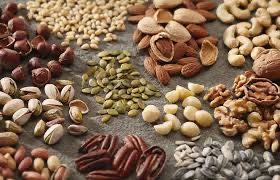
Despite its small size, nuts and seeds are nutrient-dense. They give us good lipids, plant protein, and fiber—all of which are good for our hearts.
Different vitamins (like folate), minerals (like calcium and magnesium), and phytochemicals (like magnesium and folate) are found in every variety of nut and seed. These nutrients are needed by our systems in very modest amounts yet have heart disease-prevention properties.
Are nuts and seeds good for my heart?
Research indicates that consuming approximately 15g of nuts and seeds daily reduces the risk of coronary heart disease by approximately 20% when compared to little or no nut and seed intake. Eating three to four modest handfuls of nuts and seeds every week will help you achieve this. If you eat more than this, you probably will benefit your heart health even more.
Eating nuts and seeds on a regular basis as part of a generally balanced diet may help to slightly reduce levels of total and low-density lipoprotein (LDL) cholesterol. For people who are at a high risk of cardiovascular disease, raising high density lipoprotein (HDL) cholesterol may also have a minor positive effect.
All segments of the population, even those with a higher risk of heart disease, can benefit from nuts and seeds.
Get the benefits from nuts and seeds
Whole foods that are as close to their natural state as possible and have undergone minimal processing are the healthiest for your body. The finest nuts and seeds for heart health are unsalted, unflavored, and uncoated.
When choosing nuts and seeds, look for:
1. Nuts and seeds, whole, sliced, crushed, or roasted
2. either unroasted or raw
3. the least amount of salt (sodium) per 100g, if unsalted
4. uncomplicated and devoid of flavors or decorations
Click here for more updates


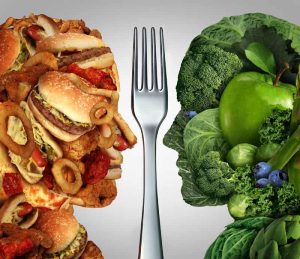
Impacts of unhealthy diets. A bad diet can have a significant impact on one’s physical and emotional well-being. It can lead to weight gain, nutrient deficiencies, chronic illnesses, and poor digestive and mental health.Maintaining long-term health and wellbeing requires making better food choices, such as consuming more fruits, vegetables, whole grains, and lean proteins while consuming fewer processed foods, sweets, and harmful fats. One of the most crucial things you can do to enhance your quality of life and lower your risk of illness is to prioritize eating a balanced diet.
IMPACTS OF UNHEALTHY DIETS
Unhealthy diets that are heavy in sugar, salt, unhealthy fats, and processed foods greatly raise the risk of developing chronic illnesses like heart disease, stroke, Type 2 diabetes, and some types of cancer. They also cause weight gain (obesity), exhaustion, weakened immunity, disturbed sleep, and detrimental effects on mental health (anxiety, depression). These eating patterns are major causes of disability and death worldwide because they raise blood pressure, blood sugar, and cholesterol.
Negative Impacts:
1. Increased Risk of Chronic Diseases;

A diet high in saturated fats, trans fats, and refined sugars can contribute to the development of chronic conditions such as heart disease, type
2 diabetes, and certain cancers. These foods can lead to elevated cholesterol levels, high blood pressure, and insulin resistance.
2. Obesity;

Consuming more calories than the body needs, particularly from high-calorie, low-nutrient foods, can lead to weight gain and obesity. Obesity is a major risk factor for numerous health problems, including cardiovascular disease, diabetes, and joint disorders.
3. Nutrient Deficiencies;

IMPACTS OF UNHEALTHY DIETS
An unhealthy diet often lacks essential nutrients such as vitamins, minerals, and fiber. For example, insufficient intake of fruits and vegetables can lead to deficiencies in vitamin C, potassium, and fiber, which are crucial for immune function, heart health, and digestive health.
4. Mental Health Issues;

IMPACTS OF UNHEALTHY DIETS
Diet plays a significant role in mental well-being. Diets high in processed foods and low in nutrient-rich foods have been linked to an increased risk of depression, anxiety, and other mental health disorders. Conversely, a balanced diet rich in nutrients supports brain function and emotional health.
5. Poor Digestive Health;

IMPACTS OF UNHEALTHY DIETS
An unhealthy diet, particularly one low in fiber, can lead to digestive issues such as constipation, bloating, and irritable bowel syndrome (IBS). Fiber is essential for healthy digestion and maintaining a healthy gut microbiome, which plays a critical role in overall health.
Summary
A diet that does not supply the vital nutrients required for the body to operate at its best is considered unhealthy. It usually consists of insufficient amounts of fruits, vegetables, whole grains, lean proteins, and processed foods together with high levels of added sugars, harmful fats, and salt. Consistently eating poorly can have a number of detrimental effects on one’s health over time.


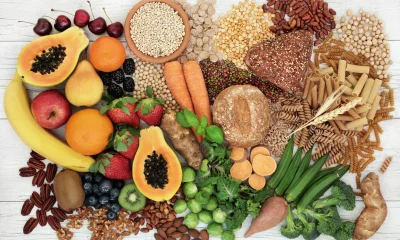
Healthy diets and fitness. Whole foods—plenty of fruits, vegetables, lean proteins (fish, chicken, beans), complex carbohydrates (whole grains, oats) for fuel, and healthy fats—as well as limiting sugar, salt, and saturated fats, staying hydrated, timing meals with exercise for energy and recuperation, and placing an emphasis on protein for muscle growth and repair—are the main components of a healthy diet for fitness.
HEALTHY DIETS FOR FITNESS
A fitness diet emphasizes whole foods: lots of fruits, vegetables, whole grains, lean proteins (chicken, fish, beans), and healthy fats (avocado, nuts) for long-lasting energy and muscle repair; adequate hydration; balancing carbohydrates for fuel, protein for growth, and fats for endurance; and adjusting portions to your activity level to support exercise and recuperation.
Diet and fitness. These are all essential components of a healthy lifestyle. Each of these practices has a distinct role in promoting wellness. The key components of each of these techniques will be evaluated.
Meaning of Diet;

HEALTHY DIETS FOR FITNESS
This refers to the foods and beverages we consume daily. A healthy diet should be balanced and contain a range of nutrients, such as carbs, proteins, healthy fats, vitamins, and minerals. A balanced diet can bring a variety of benefits, including weight maintenance, reduced risk of chronic diseases, and improved mental health.
For most women who are trying to lose weight healthily, a diet of 1,200 to 1,500 calories per day is appropriate, according to the National Heart, Lung, and Blood Institute Trusted Source.
Definition of Fitness;

Walking, jogging, weightlifting, and swimming are some types of exercise. Regular exercise can improve cardiovascular health, build strength and endurance, lower the risk of chronic diseases, and improve mental health, among other things.
Benefits of Diet and Fitness;

HEALTHY DIETS FOR FITNESS
1) Preparing meals that contain a variety of nutrients to fuel physical activity and promote overall health.
2) Engaging in regular exercise that includes aerobic, strength, and flexibility activities.
3) Practicing yoga to improve mental and physical wellness.
4) Include mindfulness techniques in your everyday routine, such as meditation or deep breathing exercises.
5) Setting objectives and tracking progress to stay motivated.
More Benefits;
HEALTHY DIETS FOR FITNESS
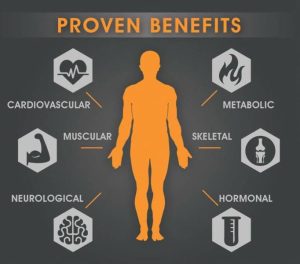
6) Weight loss. Let’s get this out of the way first. Yes, it is true. The most effective and safe strategy to reduce weight is to exercise consistently and eat a healthy, balanced diet. In reality, the only proven strategy to lose weight is to burn more carbs per day than you consume through meals.
7) A healthy heart. Many factors influence your risk for heart disease, but exercise and food are among the most important. Even people who have heart disease can minimize their risk by eating well and exercising regularly.
Summary
In addition to referring to certain eating patterns for weight, health, or ethical reasons, a diet can be anything from balanced (like Mediterranean, DASH) to restrictive (like Keto, Paleo, Vegan). In order to prevent chronic diseases, a balanced diet limits sugar, salt, and unhealthy fats while emphasizing fruits, vegetables, whole grains, lean protein, healthy fats, and water. Long-term adherence is frequently more important for successful weight management than a particular diet.


Tips for food blogging. Blogging is the process of producing and posting digital information (posts) on a website, frequently in a conversational style, that covers news, expertise, or personal experiences. It includes elements like reader comments, reverse chronological order, and frequent updates. It has developed from basic online journals to essential components of contemporary content marketing strategies, combining with SEO and other platforms like social media. It is a flexible instrument for self-expression, community building, authority establishment, and even income generation.
TIPS FOR FOOD BLOGGING
However, food blogging is the creation of internet content (recipes, reviews, culinary stories) using text, images, and videos. It combines a love of food with writing and photography to create a community and possibly make money. It frequently focuses on a particular niche, such as vegan food or regional cuisine. To build a devoted following, successful food bloggers publish original recipes, interact with readers, become experts in SEO and social media (Pinterest, Instagram), and concentrate on producing high-quality images.
Meaning of Blogging;
Also, this is simply one that highlights cuisine in some way! Successful food blogs focus on a specialized topic.
Tips for Blogging;

Meanwhile, there are several techniques you may take to come up with a new post. One alternative is to look for inspiration from other bloggers; what topics do they cover and how do they relay content?
1. Trending Topics Covering popular subjects will help you attract a wider audience to your blog while also keeping your readers engaged with fresh and relevant information.

Tips for food blogging
2. Technique-Oriented Tutorials Technique-focused tutorials are an excellent method for food bloggers to share their culinary expertise with their followers while also helping them improve their cooking skills.
3. Updates and announcements: Whether you’re announcing a new recipe, updating your blog, or advertising your latest online culinary course, it’s critical to keep your readers informed.

Tips for food blogging
4. Gift Ideas Posts regarding amazing gift ideas can help food bloggers increase their income through affiliate marketing while also giving value to their viewers.
5. Food bloggers can use ingredient spotlights to educate readers about popular and trending ingredients.
6. Eco-Friendly Cooking Tips. If you want to appeal to environmentally conscious readers, particularly younger audiences such as Generation Z, consider writing an eco-friendly culinary tip blog post.

7. Local cuisine. One excellent food blog concept is to focus on local cuisine. If you have a significant following in a given area. highlighting the region’s distinctive foods and restaurants might be an effective approach to interest your followers.
8. Showcase Your Recipes As a food blogger, displaying your recipes is likely to be a significant portion of your blog material. other successful bloggers for inspiration
Summary
Although, a clear niche, excellent photos (natural light is essential!), SEO for discoverability (keyword research!), and consistent, genuine content with personality are all essential for success in food blogging. You should also build community through social media, email lists, and engaging your audience with stories and helpful advice. Make sure your recipes are well-tested and presented, and make your website easy to use with a simple layout, conspicuous sharing icons, and obvious calls to action for subscriptions.

Tips for Skin Breakage
Lip Breakage Causes and Treatments

Can Tremor be Cured?

A Step-by-Step Guide to Deleting Reels on Instagram

How to Create a WhatsApp Group








Pingback: The Benefits of Avocado Oil - SimplExplainer
Pingback: The Benefits of Olive Oil - SimplExplainer
Pingback: Understanding Polyphenols: Nature’s Potent Compounds - SimplExplainer
Pingback: Top 5 zinc-rich foods
Pingback: Cashew Nuts: Benefits and Uses - SimplExplainer
Pingback: Nutritional Value of Olive Oils - SimplExplainer
Pingback: Vitamin E Sources - SimplExplainer