Health
Physiology of Adrenaline

Physiology of Adrenaline. The hormone and neurotransmitter adrenaline, sometimes referred to as epinephrine, is essential for the body’s reaction to stress and danger. The adrenal glands, which are located above the kidneys, create adrenaline, which was first identified in the early 20th century. Its main purpose is to prime the body for a “fight or flight” reaction, a notion made prominent in the 1920s by physiologist Walter Cannon. This potent hormone significantly affects a number of body systems, enabling a person to respond quickly and efficiently to impending dangers.
PHYSIOLOGY OF ADRENALINE
When the brain perceives a stressful or dangerous situation, it signals the adrenal glands to release adrenaline into the bloodstream. This triggers a cascade of physiological changes designed to optimize the body’s performance in the face of danger. Key changes include:
1. Increased Heart Rate and Blood Pressure:
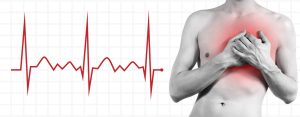

Adrenaline stimulates the heart to beat faster and more forcefully, increasing blood flow to essential organs and muscles. This ensures that they receive more oxygen and nutrients, enhancing their ability to perform under stress.
2. Dilation of Airways: To supply more oxygen to the blood, adrenaline causes the airways in the lungs to expand, facilitating easier and faster breathing.
3. Energy Mobilization: Adrenaline triggers the breakdown of glycogen in the liver and muscles, converting it into glucose. This rapid release of glucose into the bloodstream provides an immediate energy boost, crucial for quick, intense physical actions.
4. Enhanced Mental Focus:


Adrenaline sharpens mental acuity and heightens awareness. This heightened state of alertness helps individuals make quick decisions and respond effectively to threats.
5. Redirection of Blood Flow: Blood flow is diverted away from non-essential functions, such as digestion, towards the muscles and brain. This ensures that energy is concentrated where it is most needed.
6. Pupil Dilation: Adrenaline causes the pupils to dilate, improving vision and allowing more light to enter the eyes. This enhances the ability to see more clearly in potentially hazardous situations.
Adrenalines in Modern Medicine;

Physiology of Adrenaline
Adrenaline’s powerful effects are harnessed in various medical applications. It is commonly used in emergency medicine for its life-saving properties, particularly in the following scenarios:
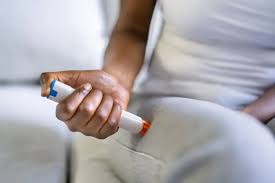
1. Anaphylaxis: Adrenalines are the primary treatment for severe allergic reactions, such as anaphylaxis. Administering an injection of epinephrine quickly reverses the life-threatening symptoms by constricting blood vessels, relaxing airways, and reducing swelling.
2. Cardiac Arrest: In cases of cardiac arrest, adrenalines are used to stimulate the heart and increase the chances of reviving the patient. Its ability to enhance blood flow and improve heart contractions can be crucial in resuscitative efforts.
3. Asthma: Adrenalines can be used in acute asthma attacks to relax the muscles around the airways, making it easier for the patient to breathe.
In Everyday Life;


Physiology of Adrenaline
While these bursts of adrenalines can be beneficial in short-term, controlled situations, chronic stress leading to prolonged adrenaline release can have adverse effects. Long-term exposure to high levels of adrenaline can contribute to health issues such as hypertension, heart disease, and anxiety disorders.
Managing Adrenaline;
Given the potential health risks associated with chronic adrenaline release, managing stress is crucial. Techniques such as regular exercise, mindfulness meditation, and adequate sleep can help regulate adrenaline levels and promote overall well-being.
Summary
One of the main catecholamines and stress hormones is adrenaline, also known as epinephrine. It triggers the body’s acute “fight-or-flight” reaction and is produced by the adrenal medulla. By raising heart rate, widening airways, and rerouting blood supply to key muscle units, it maximizes both physical and mental performance during perceived dangers.