Skin health
Physiology of Sweat


Physiology of sweat. Human thermoregulation depends heavily on sweat evaporation from the skin’s surface, which is particularly noticeable when sweating is inhibited during physically demanding activities or in hot conditions. For instance, exercise-induced heat stress causes a significant increase in body core temperature in anhidrotic patients or those wearing encapsulating protective garments or equipment. If other cooling methods are not available, this can result in heat exhaustion or heat stroke. Despite sweating’s widely acknowledged thermoregulatory function,
PHYSIOLOGY OF SWEAT
Sweat, often dismissed as an inconvenience or nuisance, plays a vital role in maintaining the health and functionality of human skin. Produced by sweat glands located throughout the body, sweat serves as a natural mechanism for thermoregulation and toxin removal, while also contributing to skin hydration and protection.
Importance of sweat on the skin
1. Thermoregulation

PHYSIOLOGY OF SWEAT
One of the primary functions of sweat is to regulate body temperature, especially during physical activity or exposure to heat. As sweat evaporates from the skin’s surface, it dissipates heat, helping to cool the body and prevent overheating. This process is crucial for preventing heat-related illnesses such as heat exhaustion and heatstroke.
2. Toxin Removal
Sweat glands also play a crucial role in eliminating toxins and waste products from the body. Sweat contains trace amounts of urea, ammonia, salts, and other metabolic byproducts, which are expelled through the pores during perspiration. By facilitating the excretion of these substances, sweat helps cleanse the skin and maintain overall bodily homeostasis.
3. Hydration and Moisture Balance

Sweat contributes to skin hydration by providing moisture to the epidermis, the outermost layer of the skin. While excessive sweating can lead to temporary dehydration, moderate sweating helps maintain the skin’s natural moisture balance, preventing dryness and promoting suppleness. Proper hydration is essential for skin health, as it supports cell turnover, elasticity, and barrier function.
4. Antimicrobial Defense
Sweat contains antimicrobial peptides and enzymes that help protect the skin against harmful bacteria, viruses, and fungi. These natural antimicrobial properties help defend against skin infections and maintain the skin’s microbiome, the ecosystem of beneficial bacteria that inhabit the skin’s surface.
5. pH Regulation

Sweat has a slightly acidic pH, typically ranging from 4.5 to 6.5, which helps maintain the skin’s acidic mantle. This acidic environment inhibits the growth of pathogenic microorganisms and supports the function of enzymes involved in skin barrier repair and maintenance. sweat is far more than just a bodily secretion designed to cool us down; it is a complex physiological process essential for skin health and overall well-being. By understanding the importance of sweat in maintaining thermoregulation, toxin removal, hydration, antimicrobial defense, and pH regulation, we can appreciate its integral role in supporting healthy, resilient skin. So the next time you break a sweat, remember that it’s not just a sign of physical exertion—it’s your body’s way of keeping you healthy from the inside out.
Summary
Sweat glands are one of two secretory skin gland types that are unique to mammals. The sympathetic nervous system governs the eccrine sweat gland, which controls body temperature. The eccrine glands release water onto the skin’s surface when the body temperature rises, and the heat is subsequently eliminated through evaporation. Eccrine glands are important thermoregulatory organs if they are active throughout the majority of the body.
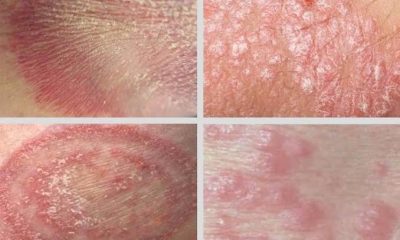

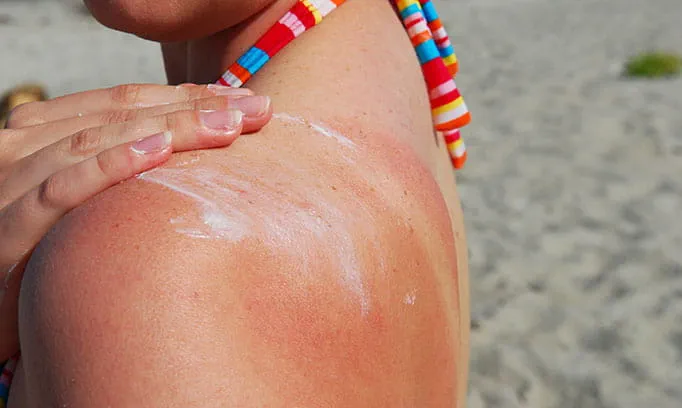
Sunburn and remedies. Overexposure to ultraviolet (UV) light from the sun or artificial sources, such as tanning beds, can result in sunburn, a skin response. It results in skin that is uncomfortable, red, and perhaps hot to the touch. Sunburn symptoms include swelling, blistering, and peeling, and they can vary in severity. Overexposure to ultraviolet (UV) radiation is the main cause of sunburn. The following are some particular causes of sunburn:
SUNBURN AND REMEDIES
Applying aloe vera or soy-based lotions, taking cold showers, drinking plenty of water, and taking ibuprofen or aspirin to relieve pain and inflammation are all effective ways to treat sunburns. When healing, stay out of the sun, avoid using harsh soaps, and refrain from popping blisters. Seek medical attention if you experience severe blistering, fever, or lightheadedness.
1. UVB and UVA Radiation:
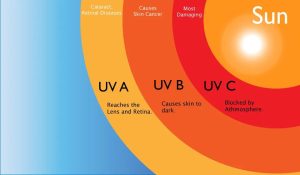
Prolonged exposure to both UVB and UVA rays from the sun can damage the skin. UVB rays cause sunburn, while UVA rays can contribute to premature aging.
2. Intensity of the Sun: The risk increases during periods of high sun intensity, typically between 10 a.m. and 4 p.m.
3. Sun Sensitivity: Some individuals are more susceptible to sunburn due to their skin type, which may include fair skin, light hair, and light-colored eyes.
4. Altitude and Location:

UV radiation is more intense at higher altitudes and closer to the equator, increasing the risk of sunburn.
5. Reflection: Surfaces like water, sand, and snow can reflect UV rays, intensifying exposure and the risk of sunburn.
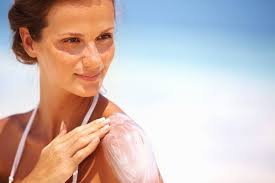
6. Lack of Sunscreen: Not using or inadequately applying sunscreen with sufficient sun protection factor (SPF) can leave the skin vulnerable to sunburn.
7. Medications: Certain medications, like some antibiotics and acne treatments, can increase sensitivity to UV radiation, making sunburn more likely.
8. Duration of Exposure:
Sunburn and remedies
Spending extended periods outdoors without protection increases the likelihood of sunburn.
It’s important to take preventive measures, such as wearing sunscreen, protective clothing, and seeking shade to reduce the risk of sunburn.
To alleviate the discomfort of sunburn and promote healing, consider the following remedies:
1. Cool Compress: Apply a cool, damp cloth or compress to the affected area. Avoid using ice directly on the skin.
2. Hydration: Drink plenty of water to stay hydrated, as the situation can lead to dehydration.
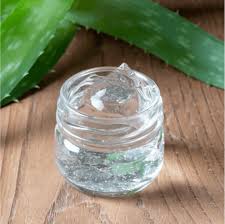
3. Aloe Vera Gel:
Sunburn and remedies
Apply pure aloe vera gel to the sunburned area. Aloe vera has soothing and anti-inflammatory properties.
4. Over-the-Counter Creams: Use over-the-counter creams containing ingredients like hydrocortisone or calamine to relieve itching and inflammation.
5. Pain Relievers: Take over-the-counter pain relievers like ibuprofen or acetaminophen to help reduce pain and inflammation.
6. Avoid Sun Exposure: Stay out of the sun until it has healed to prevent further damage.
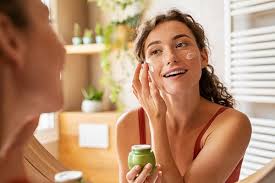
7. Moisturize:
Sunburn and remedies
Apply a gentle, fragrance-free moisturizer to keep the skin hydrated and prevent peeling.
8. Avoid Harsh Soaps: Use mild, fragrance-free soaps and avoid scrubbing the sunburned skin.
9. Loose Clothing: Wear loose, breathable clothing to avoid further irritation of the sunburned area.
10. Avoid Popping Blisters: If blisters form, avoid popping them, as this can increase the risk of infection.
Summary
See a medical expert if it is severe or if there are indications of an infection. It is still essential to prevent sunburns in the first place by wearing protective clothing and applying sunscreen.
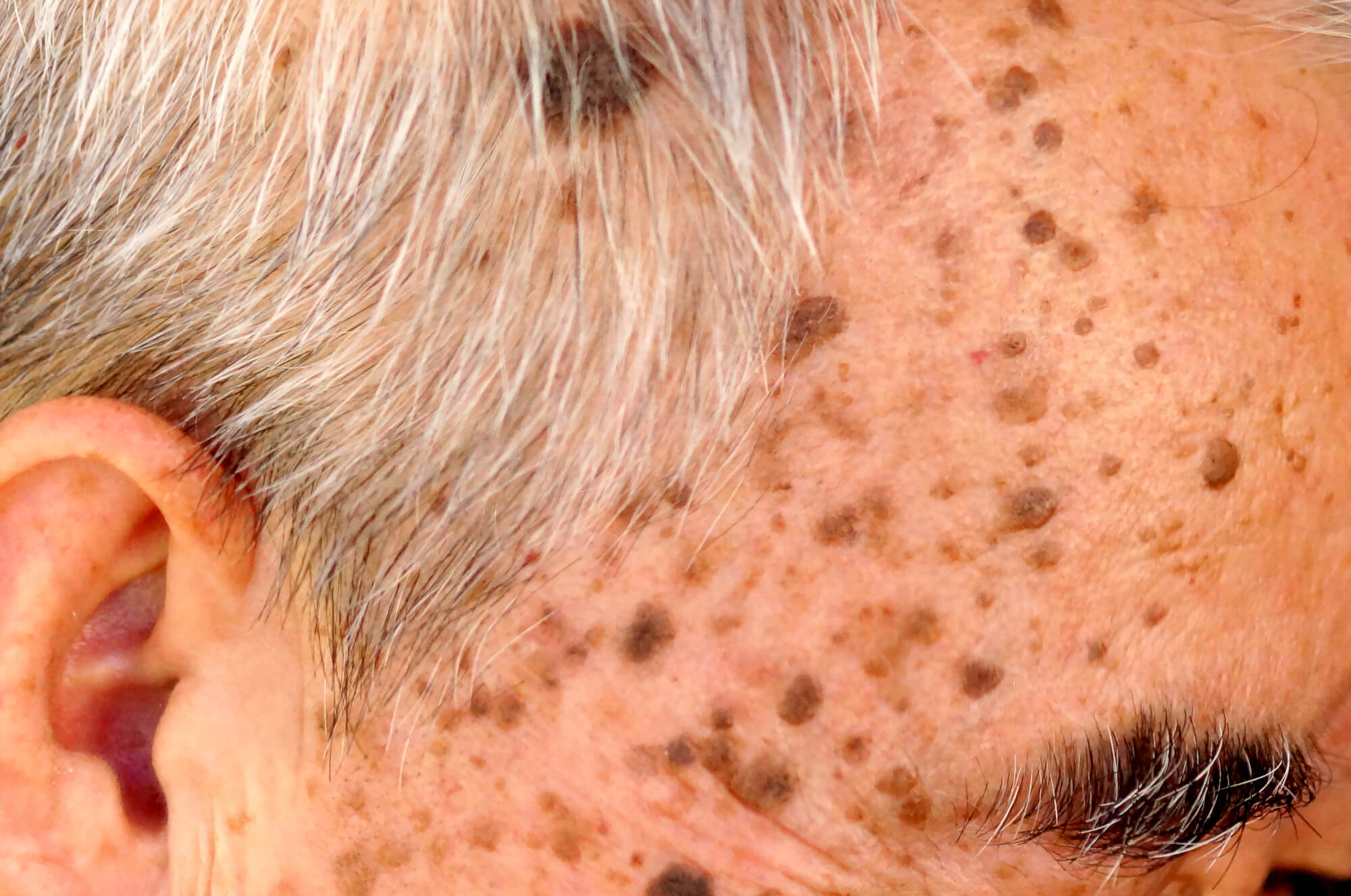
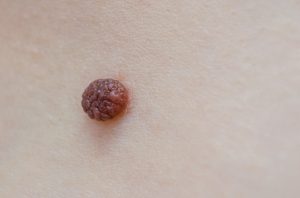
Skin and abnormal growth. The term “abnormal growth” refers to the uncontrolled, unusual development of cells, tissues, or the overall size of the body. It frequently indicates an underlying health problem, such as tumors (cancerous or benign), hormonal imbalances (such as excess growth hormone causing gigantism/acromegaly), genetic conditions, or infections. Patterns are evaluated using growth charts for children to identify slow growth (stunting) or rapid, excessive growth. Tumors, stunted stature, or disproportionate body parts are some of its manifestations; early identification and treatment necessitate medical evaluation.
SKIN AND ABNORMAL GROWTH
Although abnormal skin growths are frequently benign, it’s crucial to keep an eye out for any changes that can point to a more serious illness. The optimal course of action can be ensured by early detection and dermatologist advice. Skin lesions, often known as tumors, are abnormal growths on the skin that can take many different forms and cause concern for many. Early detection is crucial for appropriate treatment of these growths, which may be benign (non-cancerous) or malignant (cancerous).
Common Types of Abnormal Skin Growths;
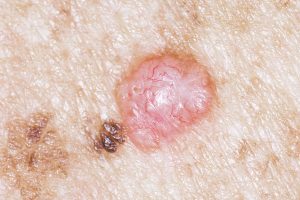
Moles are small, often pigmented growths caused by clusters of pigmented cells. Skin tags are small, soft pieces of skin that hang from the body, usually harmless but can be bothersome.
2. Warts:
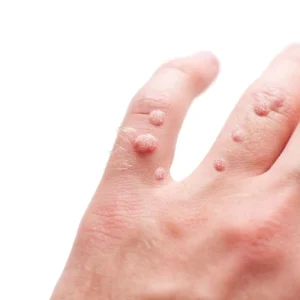
Caused by a viral infection (human papillomavirus, or HPV), warts are rough, raised growths that can appear anywhere on the skin.
3. Lipomas:
These are soft, fatty lumps that grow under the skin. Lipomas are generally harmless but may be removed if they cause discomfort or cosmetic concerns.
4. Cysts:
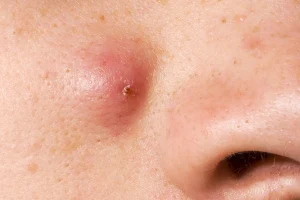
Cysts are fluid-filled sacs that develop under the skin. While usually non-cancerous, they can become infected or inflamed, requiring medical attention.
5. Actinic Keratosis:
A rough, scaly patch of skin that results from sun exposure, actinic keratosis can be a precursor to skin cancer and should be monitored by a doctor.
When to See a Doctor;

While many skin growths are benign, it’s important to seek medical advice if you notice any of the following:
– Rapid changes in size, shape, or color.
– Bleeding or itching.
– Persistent sores or unusual textures.
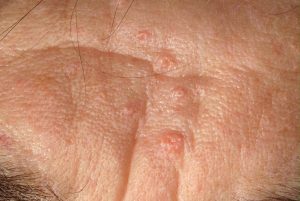
Skin and abnormal growth
A healthcare professional can perform a biopsy or other tests to determine whether a growth is malignant and needs further treatment.
Summary
Skin abnormal growths are common and can range from benign skin tags and moles to potentially dangerous cancerous lesions. These lesions can be caused by genetics, sun damage, viruses, or aging. They can appear as bumps, spots, or patches that are skin-colored, brown, or red. If they change in size, shape, color, bleed, or itch, a medical evaluation is necessary to rule out skin cancer.
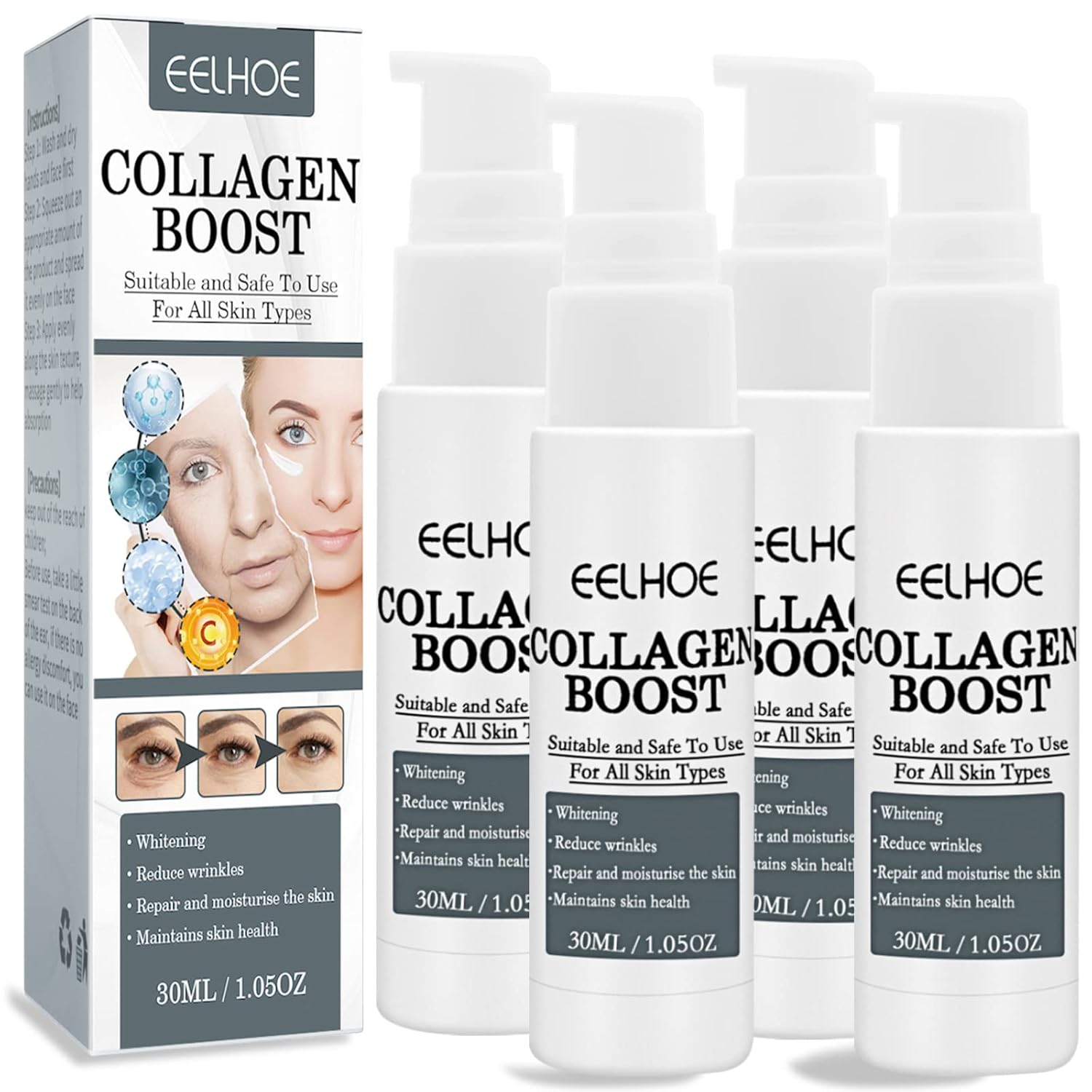

Collagen boost. Numerous studies demonstrate benefits for skin hydration, elasticity, and wrinkles, as well as possibly for joint health. However, recent, high-quality analyses, particularly those that are not funded by the industry, cast doubt on these claims, finding little significant effect, suggesting potential bias and a lack of solid evidence for commercial products, though some particular hydrolyzed collagen peptides show promise. Although usually regarded as safe, quality and possible impurities are issues, and further research is required. The benefits can occasionally be mild or placebo-driven.
COLLAGEN BOOST
A “collagen boost” entails lifestyle modifications and treatments to boost collagen, emphasizing a diet high in protein (fish, eggs, beans), zinc, copper (shellfish, nuts), and vitamin C (citrus, greens) to provide building blocks, avoiding sugar, using sunscreen, staying hydrated, and thinking about supplements or professional procedures like lasers or micro needling for noticeable results. It has become a popular ingredient in skincare products and supplements, but its benefits go far beyond just enhancing your appearance. As the most abundant protein in the human body, collagen is essential for maintaining the structure and strength of your skin, hair, nails, and joints.
What are Collagens?

Collagen boost
Collagen is a protein made up of amino acids, primarily glycine, proline, and hydroxyproline. It acts like a scaffold that holds your body together, providing structure and elasticity to your skin, strength to your bones, and flexibility to your joints. There are several types of collagen, but the most common ones in the body are Type I, II, and III, each serving different functions.
The Role of it in the Body;
– Skin Health:
Collagens helps keep your skin firm, smooth, and hydrated. As you age, your body produces less collagen, leading to wrinkles and sagging skin. Supplementing with collagen can help slow this process, promoting a more youthful appearance.
– Joint Support:

Collagen boost
Collagen is a key component of cartilage, the tissue that cushions your joints. Over time, collagen levels decrease, which can contribute to joint discomfort and stiffness. Taking collagen supplements may help reduce these symptoms and improve joint health.
Collagen supports the structure of your hair and nails, making them stronger and less prone to breakage.
– Bone Health:

Collagen boost
Collagen provides the framework for bones, making them strong yet flexible. As we age, bone density decreases, but collagen supplementation can help maintain bone strength.
How to Boost Collagen Production;

Collagen boost
While your body naturally produces collagen, its production declines with age. However, you can boost collagen levels through diet and supplementation. Foods rich in collagen-building nutrients include bone broth, chicken, fish, and egg whites. Vitamin C is also crucial for collagen synthesis, so be sure to eat plenty of fruits and vegetables like oranges, berries, and leafy greens. Supplements, often in the form of powders, capsules, or drinks, are also available and have been shown to improve skin elasticity, reduce wrinkles, and alleviate joint pain.
Summary
The body’s most prevalent structural protein, collagen serves as the “glue” that holds tissues like skin, bones, muscles, tendons, and ligaments together, giving them strength, structure, and elasticity. However, as people age, sun damage, and lead poor lifestyles, their body produces less collagen, which can cause signs of aging and possibly joint problems. However, supplements and a diet high in protein and vitamin C can support natural production.

Capable God Lyrics

Glorious God Lyrics

Ancient of Days Lyrics

A Step-by-Step Guide to Deleting Reels on Instagram

How to Create a WhatsApp Group