Fitness
Physique Exercises

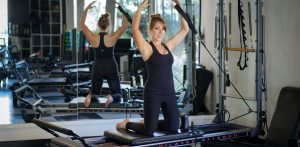
Physiquue exercises. many people who want to improve their physique have the desire to get a more defined and curvy appearance. Although body shape is largely determined by genetics, certain exercises can assist tone and sculpt particular body parts, especially the hips, thighs, and glutes. The correct exercises can significantly improve your workout, whether your goal is to emphasize your curves or give your hips a more rounded appearance. We’ll look at a number of efficient workouts in this post that can help you develop curves and a more toned lower body.
PHYSIQUE EXERCISES
These Physique exercises, which range from squats and lunges to hip thrusts and glute bridges, focus on important muscle groups and can help you safely and successfully reach your desired aesthetic goals. Prepare to accept your inherent beauty and mold your curves with these empowering exercises. To accentuate curves and produce a more sculpted silhouette, a number of workouts focus on the muscles surrounding the hips, thighs, and glutes. Here are some effective exercises for enhancing curves:
1. Squats
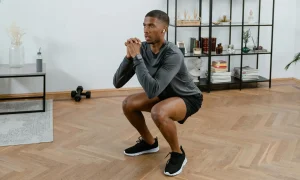
Squats are one of the most effective exercises for building and shaping the muscles of the lower body, including the hips, thighs, and glutes. To perform a squat, stand with your feet hip-width apart, engage your core, and lower your body as if sitting back into a chair. Keep your chest up and knees tracking over your toes. Push through your heels to return to the starting position and repeat.
2. Lunges
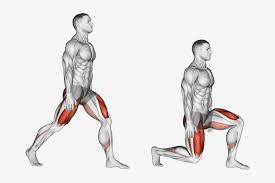
Lunges target the quadriceps, hamstrings, and glutes, helping to tone and sculpt the muscles of the lower body. To perform a lunge, step forward with one foot and lower your body until both knees are bent at a 90-degree angle. Keep your front knee aligned with your ankle and your back knee hovering just above the floor. Push through your front heel to return to the starting position and repeat on the other side.
3. Hip Thrusts
Hip thrusts specifically target the glutes, helping to build strength and enhance the shape of the buttocks. To perform a hip thrust, sit on the floor with your upper back against a stable bench or elevated surface. Place a barbell or weight across your hips and plant your feet flat on the floor. Push through your heels to lift your hips toward the ceiling, squeezing your glutes at the top of the movement. Lower your hips back down and repeat. It helps enhance body curves
4. Glute Bridges

Glute bridges are similar to hip thrus ts but can be performed without weights. Lie on your back with your knees bent and feet flat on the floor. Engage your core and lift your hips toward the ceiling, squeezing your glutes at the top of the movement. Lower your hips back down and repeat.
5. Side Leg Lifts
Side leg lifts target the muscles of the outer thighs and hips, helping to create a more defined hip line. Lie on your side with your legs straight and stacked on top of each other. Lift your top leg toward the ceiling, keeping it straight and in line with your body. Lower your leg back down and repeat on the other side.
6. Fire Hydrants
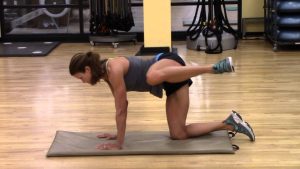
Fire hydrants target the glutes and outer thigh muscles, helping to enhance hip definition. Start on your hands and knees with your wrists directly under your shoulders and knees under your hips. Lift one knee out to the side, keeping it bent at a 90-degree angle and your foot flexed. Lower your knee back down and repeat on the other side.
Summary
Incorporating these exercises into your regular workout routine can help enhance body curves and sculpt a more defined lower body. It’s essential to perform each exercise with proper form and technique to maximize results and prevent injury. Additionally, consistency and progressive overload (gradually increasing weight or intensity) are key factors in achieving desired outcomes.


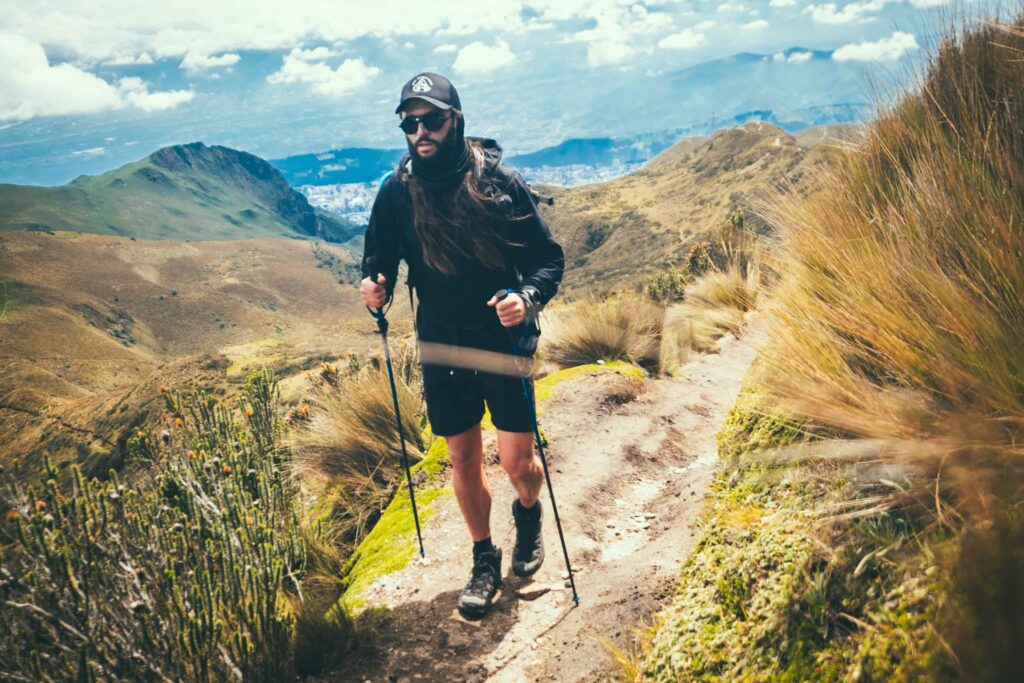
Trekking health impacts. It combines cardiovascular exercise with natural immersion, which has major positive effects on one’s physical, mental, and personal growth. It lowers tension and anxiety while strengthening muscles, increasing endurance, and improving heart health. Additionally, it provides a digital detox for mental clarity, promotes awareness of the environment, and cultivates a connection with nature.
TREKKING HEALTH IMPACTS
Significant health benefits of trekking include greater bone density, weight loss, increased muscle strength (legs, glutes, and core), and improved cardiovascular fitness. Because it lowers stress, anxiety, and depression, it is an effective aid for mental health. Heat exhaustion, altitude sickness, and sprains are among the risks.
1. Overall increased fitness;
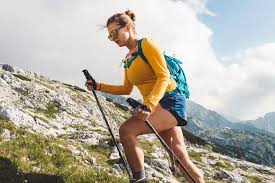
Trekking has several advantages, one of which is that it greatly enhances your physical well-being. Your entire body gets a workout when you spend many hours on the path, climbing over boulders, rock hopping, and climbing slopes. This enhances your strength, agility, and cardiovascular fitness.
2. Reduces stress
Going on an active vacation or trekking in the outdoors is a great way to get your head clear of the stress and problems that come with living at home.
3. Increases cardiovascular strength;
Because the heart must work harder to meet the oxygen demands of trekking, regular trekking can improve cardiovascular strength. By increasing blood flow to the brain and muscles, this enhances the health of the respiratory and circulatory systems.
4. Social advantages;
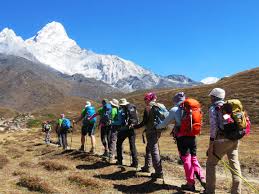
Trekking health impacts
Engaging in trekking with others might result in friendships that last a lifetime. Trekking allows you to spend time with other group members, inspiring and supporting one another to keep going and persist through difficult situations.
5. Softer skill development;
Trekking has advantages for more than only your physical, mental, or social well-being; it may also, and this may surprise you, improve your managerial abilities! As you plan your adventure, you might find yourself establishing goals, organizing your schedule, learning how to adjust to change, building your mental toughness, and setting fitness targets.
6. Inner Cleanse;

Trekking health impacts
While trekking, you’ll consume a lot of water and whole foods, but you’re much less likely to drink coffee or alcohol. A week or more of eating only healthy things has favorable effects on one’s inner wellness. Your skin will feel rejuvenated, you will feel great, and when your body goes natural, you will feel empowered.
7. Cultural comprehension;
in which going to the forest is equivalent to going to the home of wildlife! Among the many delights of a walk are wildlife and bird viewing, which can provide a unique perspective on a destination’s ecosystems.
Summary
Trekking provides a number of mental and physical benefits, including quiet moments for reflection, breathtaking views, and challenging oneself in the great outdoors. Here are some benefits of hiking and athletic vacations.
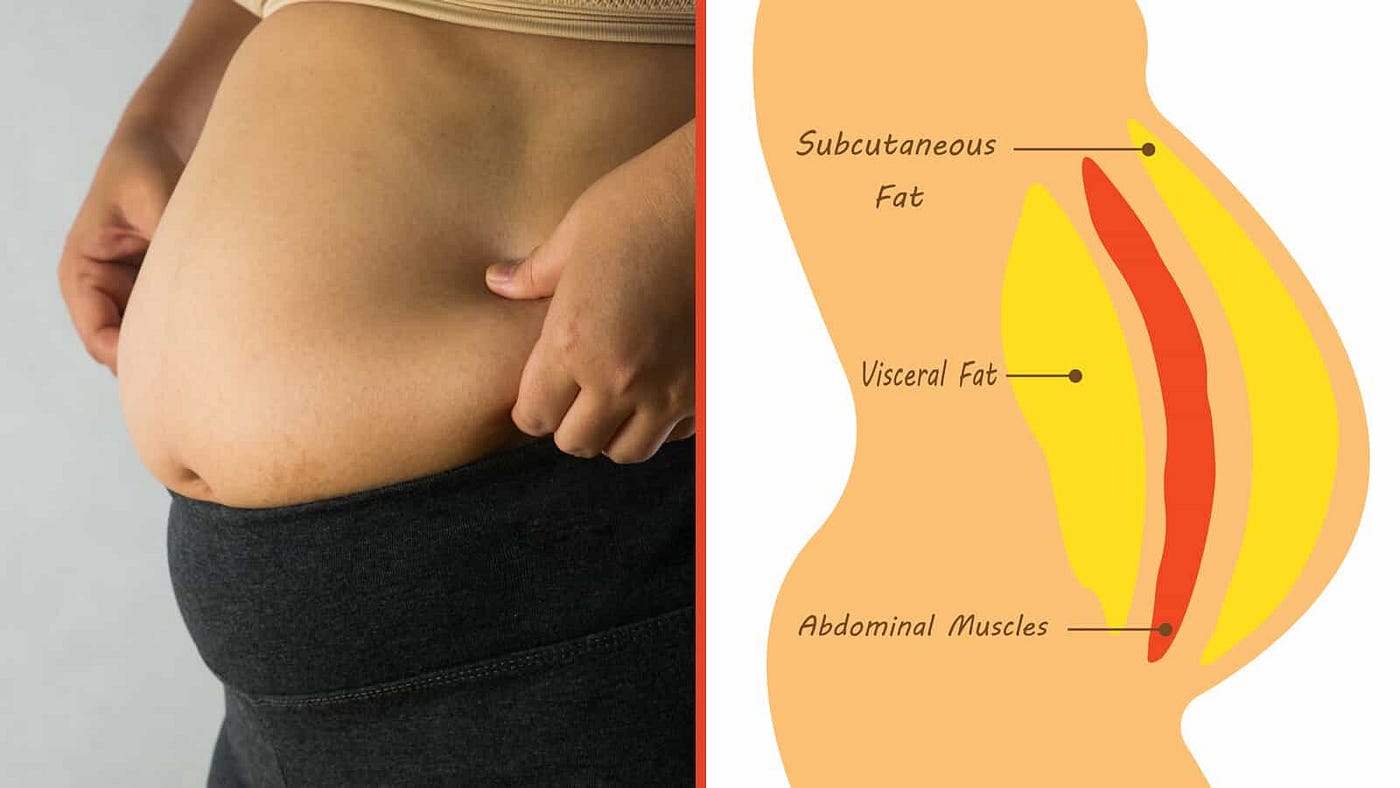
Causes of fat belly. Abdominal obesity, sometimes known as “fat belly,” is the result of excessive visceral fat surrounding internal organs, which is frequently brought on by sedentary lifestyles, high calorie meals, aging, or heredity. Increased risk for conditions like diabetes and heart disease is indicated by a waist circumference of more than 35 inches for women and 40 inches for men.
CAUSES OF BELLY FAT
The main causes of belly fat are a sedentary lifestyle, a high intake of processed foods and sugar, and an energy imbalance—consuming more calories than burnt. High levels of cortisol (stress), hormonal changes (such as decreased estrogen during menopause), smoking, poor sleep, and heredity are important contributing factors.
Types;
Body fat around the abdomen is referred to as belly fat. Two kinds of abdominal fat exist:
1. Also, Visceral: This fat envelops the body’s organs.
2. However, Subcutaneous: This type of fat is found beneath the skin.
Causes
Bad eating habits;

Meanwhile, A person may gain weight and increase their storage of fat if they consume more calories than they burn off over time Therefore, diets that are heavy in foods that are high in calories but low in nutrients can raise a person’s risk of gaining weight and developing belly fat. Not exercising Physical activity
energy out equation;
However, This is the second important component of energy. Lack of exercise is one of the main risk factors for obesity and rising body fat percentages. It can also be more difficult for someone to begin exercising if they are overweight and physically inactive.
The genetics Evidence;

Also, this suggests that a person’s genes may influence their likelihood of developing obesity. Researchers believe genes can affect metabolism, behavior, and the likelihood of obesity.
Not getting enough sleep;
However, Shorter average sleep durations have been associated with higher visceral body fat, according to research. An increase in food intake is associated with short sleep periods, which may contribute to the formation of belly fat.
Smoking;

CAUSES OF BELLY FAT
Also, studies reveal that smokers tend to have larger amounts of visceral abdominal fat than nonsmokers, even when there is an overall tendency toward decreased body fat. How to reduce body fat
Making dietary improvements;
Meanwhile, In addition to helping someone lose weight, a balanced, healthful diet is likely to improve their general well-being.
Cutting back on alcohol intake;

CAUSES OF BELLY FAT
However, Alcohol use can be tracked by someone who wants to reduce excess belly fat. Drinks with alcohol frequently have added sugar, which can cause weight gain.
Summary
Stress, poor diet, and inactivity are just a few of the many factors that contribute to belly obesity. Making dietary changes, increasing physical activity, and implementing other lifestyle changes can all help people lose belly fat.
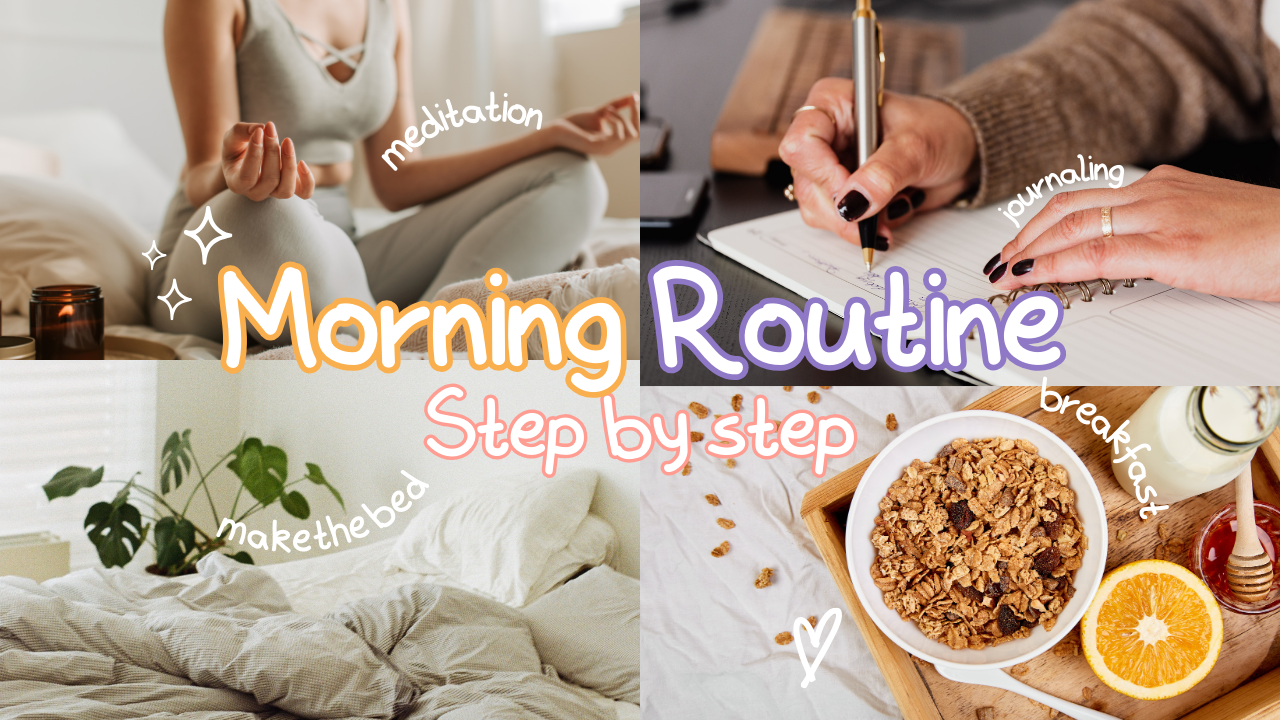
Morning routine guidelines. When you get up early, you can smell coffee. You decide to work out for a little while at home in the morning before making breakfast and starting your workday because you have some free time. You may create a morning routine that works for you in a number of ways, from avoiding social media to drinking water and listening to a podcast.
MORNING ROUTINE GUIDELINES
By adopting persistent, deliberate practices, an organized morning routine enhances health, mental clarity, and productivity. Avoiding the snooze button, staying hydrated right away, getting 5 to 20 minutes of natural light, moving about, and postponing phone use are important rules. Establishing a regular routine, especially on the weekends, aids in controlling the body’s internal clock
Tips;
1. Wind down at the end of the day: steer clear of demanding pursuits like hard lifting and exercise in the latter part of the day. Alternatively, read a book to make yourself drowsy or relax with a warm bath.
2. Turn off the TV at a predetermined time: establish a time for turning off the TV and other devices. Instead, settle in with a hot cup of decaf tea on the couch or in bed.
Morning routine guidelines
3. Appropriately set your alarm clock: to guarantee that you get enough sleep, set your alarm for eight hours or longer after bed.
4. counting to five is a simple method to use when getting out of bed feels hard. Get out of bed and start your day after five o’clock.
5. Having slippers beside your bed: on chilly mornings, slippers can help you get out of bed a little more easily. Keep them beside your nightstand so you may always be near them.

Morning routine guidelines
6. Presetting your coffee maker: the scent of coffee may be enough to pull you out of bed if you consume it. Your coffee maker can be programmed to brew coffee for you when you wake up.
7. Sip water from a glass. The secret to your health and well-being is staying hydrated. An excellent morning routine must include drinking water since when you’re feeling good, you’re more focused and, consequently, more productive.

Morning routine guidelines
8. Sip on some tea or coffee. Maintaining hydration is essential to a healthy routine, but you should also enjoy it. In addition to making waking up easier, this will make your habit more likely to persist.
9. Make a nutritious morning meal. Make a nutritious breakfast with items that promote well-being to boost your motivation and kickstart your day.
Summary
Avoiding the snooze button, drinking water, getting some sunlight, moving around, and eating a nutritious breakfast are all important components of a great morning routine, which increases energy, attention, and mental clarity. Setting daily goals, stretching lightly, and staying hydrated can all be part of a straightforward, efficient routine.

Airline Travellers and Baggage Allowances

First Time Travellers and Airline Policies

Plane Tickets Relevance

A Step-by-Step Guide to Deleting Reels on Instagram

How to Create a WhatsApp Group