WRITING
Portfolio writing tips

Portfolio writing tips. A well-designed portfolio is an effective way to highlight your abilities and achievements. You may successfully show prospective employers or clients how valuable you are by carefully selecting your material, creating a polished layout, and updating it frequently. Make a portfolio that accurately reflects your skills and career path by following this instructions.
PORTFOLIO WRITING TIPS
An exceptional writing portfolio should be well-curated, user-friendly, and customized for your intended audience. Prioritize quality over quantity, exhibit a distinct specialty to draw in particular clientele, and highlight your top four to six writing samples.
1. Determine the Purpose;
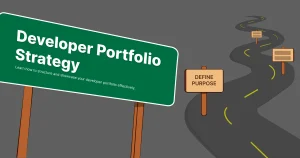

Identify why you’re creating the portfolio. Is it for job applications, freelance work, academic purposes, or personal branding? Understanding the purpose will help you tailor the content and presentation.
2. Gather Your Materials;
Collect all relevant documents, projects, and materials that demonstrate your skills and achievements. This can include:
– Resumé or CV: A detailed document of your work history, education, and skills.
– Work Samples: Examples of your best work. This can include reports, projects, articles, designs, or any work product that showcases your abilities.
– Certifications and Awards: Any certifications, awards, or recognitions that highlight your achievements.
– Letters of Recommendation: Testimonials or reference letters from previous employers, colleagues, or clients.
– Personal Statement or Bio: A brief introduction about yourself, your career goals, and your professional philosophy.
3. Organize Your Content;


Structure your portfolios in a logical and coherent manner. Common sections include:
– Title Page: Your name, professional title, and contact information.
– Table of Contents: A clear list of the sections and materials in your portfolio.
– Introduction or Personal Statement: A concise overview of who you are and what you aim to achieve.
– Resumé or CV: Detailed work history and qualifications.
– Work Samples: Organized by relevance or type, each accompanied by a brief description.
– Certifications and Awards: Copies or images of certificates and awards.
– Testimonials: Quotes or letters from references.
– Conclusion: A closing statement or call to action, such as how to contact you for further information.
4. Design and Format;


Portfolio writing tips
The design and layout of your portfolio should be clean, professional, and easy to navigate.
– Digital vs. Print: Decide whether your portfolio will be digital, print, or both. Digital portfolios can be created as PDFs or websites.
– Visual Appeal: Use a consistent color scheme, fonts, and layout. Ensure your portfolio is visually appealing but not overly flashy.
– Navigation: Include hyperlinks in digital portfolios for easy navigation. Ensure each section is easy to find and access.
5. Craft Compelling Descriptions;


Portfolio writing tips
For each work sample or project, write a brief description that includes:
– Context: Background information about the project.
– Your Role: What specific tasks you performed or contributions you made.
– Outcomes: The results or impact of your work. Use metrics or data where possible to quantify success.
6. Proofread and Edit;
Ensure your portfolio is free from errors and inconsistencies.
– Spelling and Grammar: Double-check for any spelling or grammatical mistakes.
– Formatting: Ensure consistent formatting throughout the document.
– Clarity: Make sure descriptions and explanations are clear and concise.
7. Create an Online Portfolio;


For wider reach and accessibility, consider creating an online portfolio.
– Website Builders: Use platforms like WordPress, Wix, or Squarespace to create a professional website.
– Content Management: Organize content similarly to your physical or PDF portfolio, but take advantage of multimedia options like videos, links, and interactive elements.
– SEO Optimization: Use keywords and metadata to improve search engine visibility.
Summary
Building a professional portfolio can be an effective approach to highlight your abilities, successes, and experiences to prospective clients or employers. Here’s how to build an outstanding portfolio step-by-step: