babies
Postpartum Depression


POSTPARTUM DEPRESSION
Postpartum depression. The experience of having a baby changes your life. Although it can be overwhelming and exhausting, being a parent is an exhilarating experience. Feelings of anxiety or uncertainty are common, particularly if this is your first time. However, you might develop postpartum depression if you have strong mood fluctuations, frequent sobbing fits, and intense feelings of grief or loneliness.
POSTPARTUM DEPRESSION
One kind of depression that develops after giving birth is called postpartum depression (PPD). The birth mother is not the only person affected by postpartum depression. Adoptive parents and surrogates may also be impacted. After giving birth, hormonal, physical, emotional, economical, and social changes are frequent. It symptoms may result from these changes.
Signs

You may feel bad about your symptoms or think you’re a bad mother for experiencing them. The prevalence of it is very high. This feeling is not unique to you, and it does not imply that you are a bad person.
If you suffer from any of the following symptoms, you might have postpartum depression:
Sadness, worthlessness, hopelessness, or remorse
Feeling tense or worrying excessively
Loss of enthusiasm for past interests or pastimes
alterations in appetite or abstinence from food
Decrease in motivation and vitality
Having trouble falling asleep or wanting to sleep constantly
Crying excessively or without cause
Having trouble concentrating or thinking
Causes

The relationship between the sharp decline in hormones during childbirth and depression requires further investigation. During pregnancy, the levels of progesterone and estrogen increase tenfold, but they drastically decrease after birth. Three days after giving birth, these hormone levels return to their pre-pregnancy levels.
Postpartum depression is more likely to occur as a result of these biological changes as well as the social and psychological adjustments brought on by childbirth. Some of these changes include physical changes, sleep deprivation, parenting concerns, or relational problems.
Treatment
Treatment for postpartum depression varies based on the kind and intensity of symptoms. Psychotherapy (talk therapy or cognitive behavioral therapy), antidepressant or anxiety medications, and support group involvement are available forms of treatment.
Depression, anxiety, and psychosis medications may be used to treat postpartum psychosis. Additionally, you might spend a few days in a treatment facility until you stabilize. If this treatment doesn’t work for you, electroconvulsive therapy (ECT) may work.
Do not assume that you cannot take medication for psychosis, sadness, or anxiety if you are nursing. Learn about your options from your healthcare provider.
Prevention

Limit guests when you initially get home and have reasonable expectations for both you and your child.
Seek assistance and let people know how they may support you.
Rest or sleep when your infant is asleep.
Take a walk, work out, and take a vacation from the house.
Stay in contact with your loved ones. Avoid isolating yourself.
Make time for each other and cultivate your relationship with your partner. You should anticipate both happy and bad days.
Summary
It symptoms include mood fluctuations, excessive sobbing, a loss of interest in once-enjoyed activities, and a sense of sadness or worthlessness. Consult your doctor if you believe you may develop postpartum depression. They are able to determine the best way to treat your issues. It can be beneficial to get counseling, take medicine, or join a support group.



Babies and walking fast. Whether you’re prepared or not, your child will be walking before you realize it. There are several strategies to help your child build the muscles needed to support their body and to gently encourage movement with this new form of transportation. If you are concerned about your child’s development toward this milestone, contact your pediatrician or consider scheduling an evaluation with Early Intervention. But remember that some babies start walking earlier than others, and with patience and persistence, your child will eventually learn to walk.
BABIES AND WALKING FAST
Babies usually start walking at the age of 12 months, though this may happen sooner or later. Like anything else, your child will start to walk on their own schedule. You may still encourage your kid to move and groove regardless of their walking stage. But the key term in this case is staging. Babies need some time to transition from sitting to walking.
1. Make your space babyproofing;

BABIES AND WALKING FAST
Prior to everything else, you must prepare your child for success: Remove any clutter from your flooring that can cause trips and falls. Place breakable ornaments somewhere else. Cover outlets and tangle extra wires. Additionally, if you’re having trouble babyproofing your entire house, consider gating off a safe region of your home that isn’t in danger or closing off rooms that are especially challenging. Encouraging mobility means your baby will be interested in everything that comes their way, even if they aren’t walking yet. In addition to keeping them safe, babyproofing will likely boost your confidence as you go.
2. Start with a solid foundation;

BABIES AND WALKING FAST
It’s a well-known adage that you have to walk before you can run. Well, before you can walk, you have to sit. This basically means that in order to support standing and walking, your infant requires strong core muscles. You might even think about having your infant sit with their feet on the floor on a little stool (or bench, foam roller, or cube chair) under supervision. Ask them to practice moving up, down, and all over by reaching for toys on the ground.
3. Put on your bare feet;
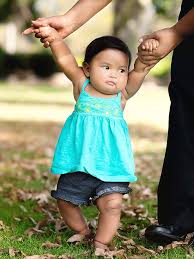
For early walking, shoes are not required. Actually, it can be preferable to initially let your infant to explore their surroundings barefoot. When a baby is starting to walk, they learn a lot from their feet. Their brain modifies the behavior of their muscles and joints in response to the textures they perceive in various surfaces, such as hardwood, carpet, and grass. Naturally, you should make sure there are no items that could hurt your baby’s feet before letting them wander around barefoot.
4. Offer assistance;
Supporting your child’s trunk rather than their hands is the best way to guide them on a little walking adventure around the living room. Your infant will walk more naturally and not tilt forward onto their toes if you support their trunk. For their lower body to develop a robust pattern of motion, babies must distribute their weight over their entire foot, including the heel.
5. Prepare the scene;

Your infant might want further encouragement to move. Try sitting with them on the floor. Hold out a teddy animal or one of their favorite toys a few paces ahead of them. Consider arranging toys in a trail throughout a room as your baby’s mobility improves to see if they will move from one toy to another. To keep toys fresh, rotate them sometimes.
Summary
You’ll likely accomplish several milestones along the way, such as standing with assistance, standing independently, cruising, taking your first hesitant steps, and walking. Get to know your child in their current location. Playfully point out their flaws while emphasizing their positive traits. However, learning to walk takes time. Don’t rush the process.
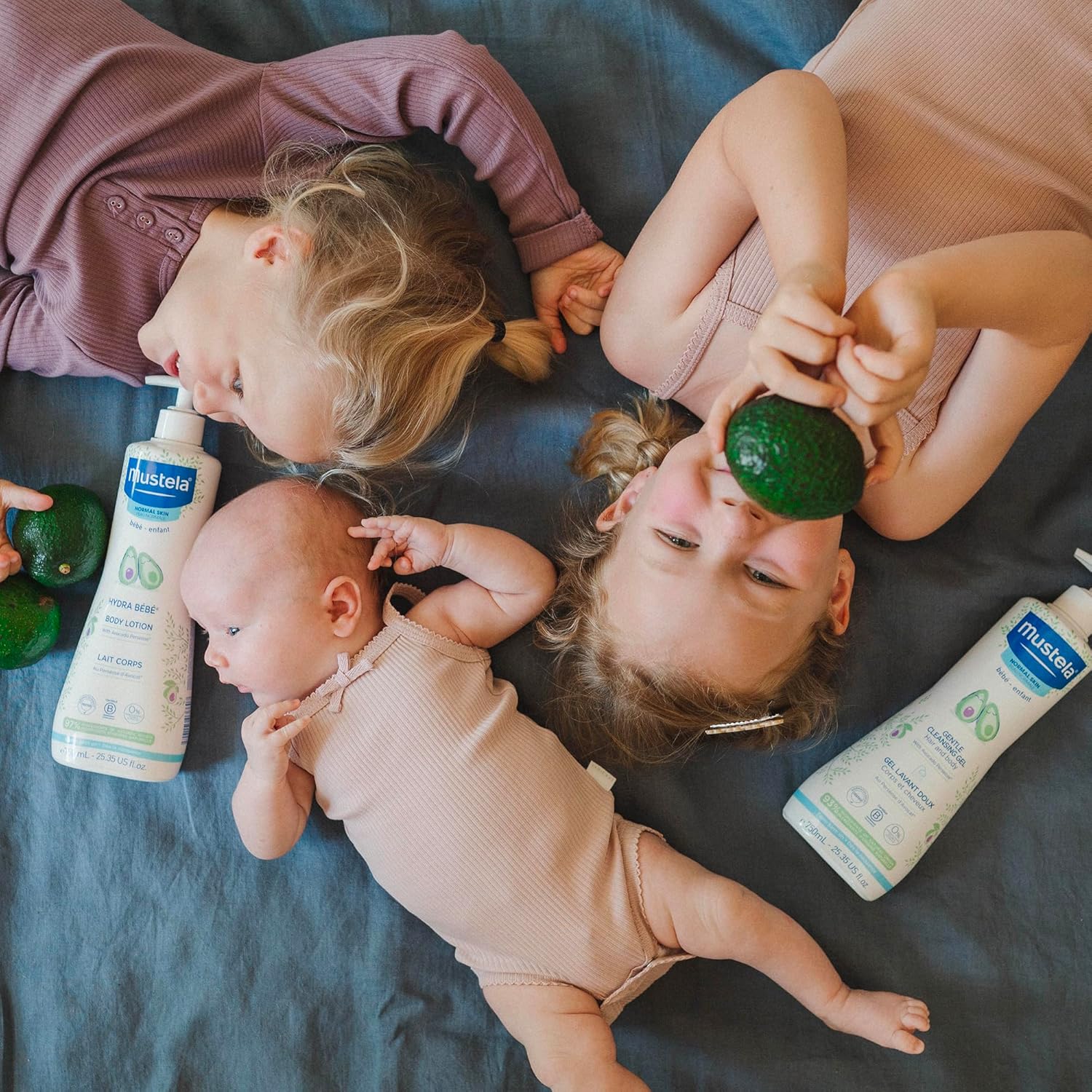
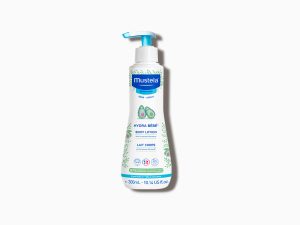
Mustela hydra bebe lotion.For parents seeking a dependable, efficient, and mild moisturizing solution for their infants, They look for things that are safe, effective, and gentle.Mustela Hydra Bébé Body Lotion is a premium product. It stands out in the crowded market of newborn skincare products thanks to its long-lasting moisture and usage of natural ingredients. It is suitable for daily use on sensitive infant skin because of its soothing smell and hypoallergenic formula.
MUSTELA HYDRA BEBE LOTION
The advantages it provides in terms of hydration, safety, and ease of use make it a worthy investment, even though its price may be a little more than that of some other solutions. Mustela Hydra Bébé Body Lotion is a great option if you’re looking for a premium body lotion that will maintain your baby’s skin smooth, soft, and healthy.
First Impressions;
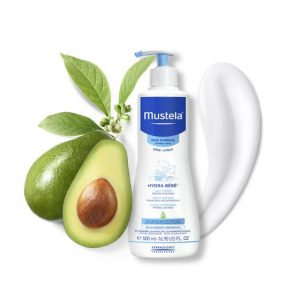
When it comes to baby skincare, Mustela Hydra Bébé Body Lotion comes in a convenient pump bottle that is easy to use and ensures hygienic application. The packaging is appealing with a baby-friendly design and clear labeling. The lotion has a light, pleasant fragrance that is not overwhelming, making it suitable for both babies and parents who prefer a subtle scent.
Ingredients and Benefits;
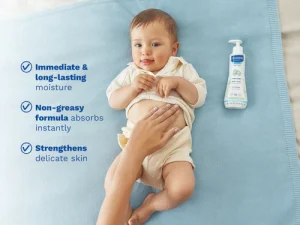
Mustela is known for its commitment to using natural and safe ingredients in their products. Key ingredients in the Hydra Bébé Body Lotion include:
– Avocado Perseose: A patented natural ingredient that helps protect and hydrate the skin by preserving its cellular richness.
– Sunflower Seed Oil: Rich in essential fatty acids, it helps to nourish and soften the skin.
– Vitamin E: An antioxidant that helps protect the skin from environmental stressors and supports skin health.
– Glycerin: A powerful humectant that attracts moisture to the skin, ensuring it remains hydrated and soft.
– Jojoba Oil: Known for its moisturizing and soothing properties, jojoba oil helps to reinforce the skin barrier and maintain skin hydration.
Performance;

MUSTELA HYDRA BEBE LOTION
Hydration: Mustela Hydra Bébé Body Lotion excels in providing long-lasting hydration. The combination of avocado perseose, glycerin, and jojoba oil ensures that the skin remains moisturized and soft throughout the day. Parents report that the lotion absorbs quickly without leaving a greasy residue, which is essential for keeping baby skin comfortable and non-irritated.
Gentleness: The lotion is formulated to be gentle enough for daily use on even the most sensitive skin. It is hypoallergenic and free from parabens, phthalates, and phenoxyethanol, reducing the risk of allergic reactions or irritation.
Fragrance: The light, fresh fragrance is derived from natural ingredients and is designed to be mild enough for baby skin. It provides a pleasant, clean scent without being overpowering.
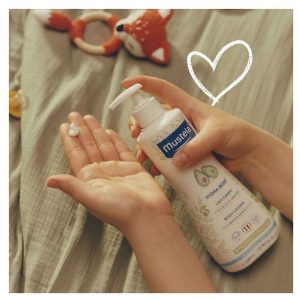
Ease of Use: The pump bottle design allows for easy, one-handed application, which is particularly helpful when dealing with a wriggly baby. The consistency of the lotion is just right—neither too thick nor too runny—making it easy to spread evenly over the skin.
Pros and Cons;
MUSTELA HYDRA BEBE LOTION
Pros:
– Long-Lasting Hydration: Keeps baby skin moisturized and soft all day.
– Natural Ingredients: Contains safe, effective ingredients like avocado perseose and sunflower seed oil.
– Gentle and Hypoallergenic: Suitable for daily use on sensitive baby skin.
Cons:
– Price: Slightly higher in cost compared to some other baby lotions, but the quality justifies the price.
– Availability: May not be available in all retail stores, requiring online purchases for some users.
Summary
A well-liked option that promises to provide delicate newborn skin with long-lasting moisture is Mustela Hydra Bébé Body Lotion. In order to determine whether Mustela Hydra Bébé Body Lotion lives up to its reputation, we will look at its main attributes, advantages, and functionality in this review.
.

Babies and body washes. Although the term can also refer to a minor in a legal setting or a beginning in any profession, an infant is a human kid at the earliest period of life, from birth to approximately one year of age. Infants develop quickly during this time, learning to sit, roll over, grin, and eventually crawl and walk.Many consumers value the moderate or pleasant aroma of baby shampoos, which emphasize their soft, moisturizing, and calming qualities. They are also frequently appropriate for sensitive or eczema-prone skin
BABIES AND BODY WASHES
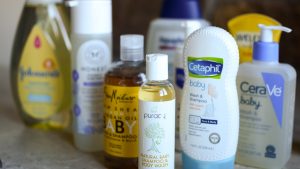
Brands like Aveeno, Cetaphil, and Eucerin are popular options because they are made to cleanse without removing natural oils and are typically recommended by dermatologists. Tear-free formulae and products with natural or non-toxic ingredients are important characteristics to search for. These infants body wash, which emphasize mild cleaning, moisturizing, and preserving the delicate balance of a baby’s skin, are especially suitable for newborns:
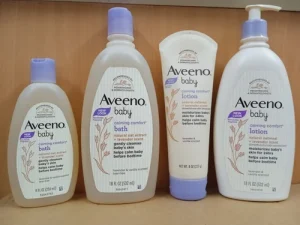
1. Aveeno Baby Wash & Shampoo;
BABIES AND BODY WASHES
– Key Benefits: This body wash and shampoo is formulated with natural oat extract, which helps to soothe and nourish the skin. It is tear-free, soap-free, and hypoallergenic, making it ideal for infants with sensitive skin.
– Why It’s Great for Infants: The gentle formula is perfect for delicate infant skin, providing a thorough yet mild cleanse without causing dryness or irritation. The natural oat extract helps maintain the skin’s moisture barrier, keeping the skin soft and smooth.
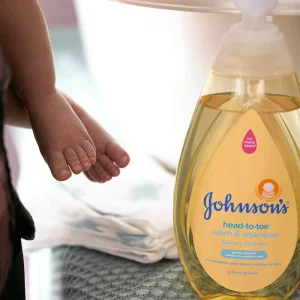
2. Johnson’s Head-to-Toe Baby Wash & Shampoo;
BABIES AND BODY WASHES
– Key Benefits: Johnson’s Head-to-Toe wash is a mild, tear-free formula that is designed for newborns’ delicate skin. It is hypoallergenic and free from parabens, phthalates, sulfates, and dyes, ensuring a gentle cleanse.
– Why It’s Great for Infants: This body wash is pediatrician-tested and pH-balanced, making it suitable for daily use on a baby’s sensitive skin. Its gentle formula cleanses without stripping the natural oils, keeping the skin hydrated and healthy.
3. Babyganics Baby Shampoo + Body Wash;
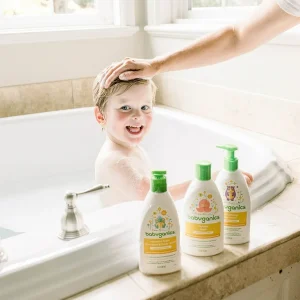
– Key Benefits: This product is a foaming body wash and shampoo that is made with plant-based ingredients. It is fragrance-free and formulated without parabens, sulfates, phthalates, or artificial dyes. It also includes NeoNourish Seed Oil Blend, which is designed to support and nurture baby’s skin.
– Why It’s Great for Infants: The plant-based ingredients and absence of harsh chemicals make it a safe and gentle option for infant skin. The foaming action ensures easy application and thorough cleansing while maintaining the skin’s natural moisture.
4. Mustela Gentle Cleansing Gel;
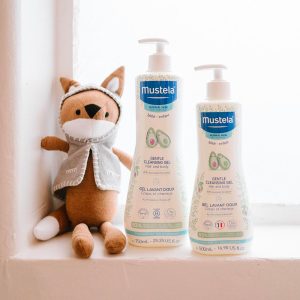
– Key Benefits: This body wash is made with natural ingredients, including Avocado Perseose. A patented natural ingredient that helps protect and hydrate a baby’s delicate skin. It is soap-free and formulated to minimize the risk of allergic reactions.
– Why It’s Great for Infants: Mustela’s Gentle Cleansing Gel is perfect for maintaining the hydration and health of infant skin. Its gentle formula ensures a mild cleanse, protecting the skin’s natural barrier and preventing dryness or irritation.
Summary
Also, infants’ delicate skin must be carefully considered while choosing a body cleanser. goods enhanced with natural ingredients and devoid of harmful chemicals. A baby’s skin can be kept hydrated, soft, and healthy with the use of calming substances.

Airline Travellers and Baggage Allowances

First Time Travellers and Airline Policies

Plane Tickets Relevance

A Step-by-Step Guide to Deleting Reels on Instagram

How to Create a WhatsApp Group