Health
Prevention of Hematuria


PREVENTION OF HEMATURIA
Prevention of hematuria. Urinary tract infections, intense exercise, and chronic kidney disease are just a few of the numerous causes of blood in the urine. However, you shouldn’t disregard it. Medical professionals are able to identify the root cause and suggest the most effective course of action. The medical term for the presence of blood cells in your urine is hematuria.
PREVENTION OF HEMATURIA
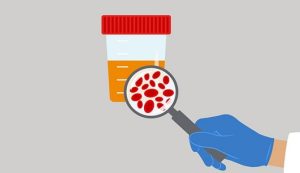
The presence of blood in your urine is fairly common. However, since it doesn’t always cause your urine to turn pink or red, you might not even be aware of it. In certain cases, there may be so little blood in your urine that it is invisible to medical professionals when they perform a urine test.
Types

Gross hematuria. This occurs when there is enough blood in your urine to be seen with the unaided eye. Toilet water may become bright red or pale pink as a result of it. • Hematuria in microscopic form. If you have microscopic hematuria, also known as microhematuria, you have blood in your urine, but not enough to be seen with the naked eye. To see it, a microscope is required. • Hematuria from dipstick. When a dipstick changes color due to oxidation (exposure to oxygen), it is known as dipstick hematuria. Dipsticks are thin paper or plastic strips with chemical patches on them.
Symptoms
Other symptoms you may experience include: • Frequent urination, or more frequent urination than usual Dysuria and urinary urgency. You might also experience other related symptoms, such as chills, fever, and nausea and vomiting. • Pain on either side of your lower back, just above your hips (flank pain); • Lower back pain; • Abdominal pain You don’t necessarily have a disease if you have blood in your urine. However, it may be a crucial indicator that something is amiss with your body. Don’t disregard it. As soon as you notice blood in your urine, get in touch with a medical professional.
Causes
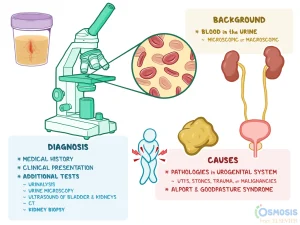
The disease of urinary stones. Masses of minerals or other materials that accumulate in your urinary system are referred to by this term. This encompasses ureteral, bladder, and kidney stones. • UTI, or urinary tract infection. This is an infection caused by bacteria that affects any part of your urinary system. • Pyelonephritis, or kidney infection. Your kidney or kidneys become infected with this infection. • Cystitis, or inflammation of the bladder. This is the point at which inflammation impacts your bladder. Its causes could be infectious or noninfectious.
Treatment

The cause of hematuria determines how to treat it. To determine the best course of action, a healthcare professional will consult your medical history, physical examination, and test results. The cause of hematuria determines this. A doctor might recommend surgery if an enlarged prostate results in blood in your urine and medication is ineffective. To remove prostate tissue and halt prostate bleeding, numerous surgical techniques are available. A medical professional will go over your options.
Prevention
Not every cause of hematuria can be avoided. However, you can help prevent some causes by: • Drinking lots of water each day; • urinating before and after sexual activity; and • always cleaning your anus, if you have a vagina, from front to back after you poop. Maintaining a healthy weight; avoiding foods high in sugar, sodium, and animal proteins; quitting smoking; and limiting your exposure to potentially harmful substances or chemicals
Summary
If you notice that your urine is pink or red, don’t freak out. If you are on your period, you might have blood in your urine. Or perhaps you consumed a lot of beets recently. However, calling a healthcare provider is still a smart idea. Even if the cause of hematuria is not serious, it is still preferable to detect it early. A healthcare professional will collaborate with you to determine the cause of the blood in your urine and suggest the most effective course of action.
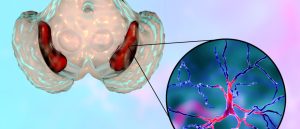
Multiple system atrophy. Scientists are still investigating Multiple System Atrophy in an effort to better understand the underlying causes of the condition and create novel treatments. Clinical trials are investigating a number of strategies, such as drugs that may more effectively reduce symptoms or halt the course of the disease. Research developments give promise for better treatments and outcomes for people with MSA in the future, even though there is currently no known cure.
MULTIPLE SYSTEM ATROPHY
A uncommon and progressive neurological disease called Multiple System Atrophy (MSA) damages the body’s autonomic processes, which include things like blood pressure, heart rate, and digestion that we are not cognizant of. Because MSA resembles other neurodegenerative diseases like Parkinson’s disease, it can be difficult to diagnose. It is unique, though, in that it progresses quickly and exhibits a variety of symptoms.
Types;

Multiple System Atrophy
MSA is classified into two main types based on the predominant symptoms:
1. MSA-P (Parkinsonian Type): This type resembles Parkinson’s disease and is characterized by symptoms such as muscle rigidity, slow movement (bradykinesia), tremors, and balance difficulties.
2. MSA-C (Cerebellar Type): This type primarily affects the cerebellum, the part of the brain responsible for coordination. Symptoms include problems with balance, coordination, and speech (ataxia).
Causes and Risk Factors;

Multiple System Atrophy
The exact cause of MSA is unknown, and no specific risk factors have been identified. Unlike many other neurodegenerative disorders, MSA is not inherited and does not have a known genetic link. The disease is thought to involve the accumulation of a protein called alpha-synuclein in certain areas of the brain, leading to cell damage and the symptoms of MSA.
Symptoms;

Multiple System Atrophy
MSA symptoms vary widely depending on the type and progression of the disease but can include:
– Autonomic Dysfunction: This includes issues such as severe drops in blood pressure (orthostatic hypotension), urinary incontinence, erectile dysfunction, and difficulties with temperature regulation.
– Parkinsonism: Symptoms similar to Parkinson’s disease, such as stiffness, slow movements, and tremors.
– Cerebellar Ataxia: Problems with balance, coordination, and speech, leading to difficulty walking and performing tasks requiring fine motor skills.
– Sleep Disturbances: Many individuals with MSA experience sleep disorders like REM sleep behavior disorder, where they act out dreams.
Diagnosis;

Diagnosing MSA can be challenging because its symptoms overlap with other conditions like Parkinson’s disease. Diagnosis typically involves a thorough clinical examination, patient history, and ruling out other conditions. Brain imaging, such as MRI, can help detect changes in the brain associated with MSA, but no specific test can definitively diagnose the condition.
Treatment and Management
Currently, there is no cure for MSA, and treatment focuses on managing symptoms to improve quality of life. Treatment options include:
– Medications: Drugs used to treat Parkinson’s disease may be prescribed to manage motor symptoms, though they are often less effective in MSA. Medications can also help control blood pressure, bladder function, and other autonomic symptoms.
– Physical Therapy: This can help maintain mobility, balance, and coordination, and occupational therapy can assist with daily activities.
– Supportive Care: Speech therapy, dietary changes, and assistive devices can help manage the various challenges posed by MSA.
– Lifestyle Modifications: Elevating the head during sleep, increasing fluid and salt intake, and using compression garments can help manage orthostatic hypotension.
Prognosis;

MSA is a progressive condition, and symptoms typically worsen over time. The rate of progression varies, but many individuals with MSA experience significant disability within a few years of diagnosis. The average life expectancy after diagnosis is 7 to 10 years, though this can vary depending on the individual’s overall health and how well symptoms are managed.
Summary
A thorough, multidisciplinary approach to treatment is necessary for Multiple System Atrophy, a complicated and crippling condition. Early diagnosis and proactive symptom management can greatly improve the quality of life for those with MSA, even though the prognosis might be challenging.


Key relevance of monounsaturated fats. With their many advantages for heart health, weight control, blood sugar regulation, inflammation reduction, and cognitive function, monounsaturated fats are a crucial component of a balanced diet. Consuming foods high in monounsaturated fats, such avocados, nuts, seeds, olives, and olive oil, can help you stay healthy overall and lower your chance of developing chronic illnesses. By making these healthy fats a regular part of your meals, you can enjoy both exquisite flavors and enhanced health benefits.
KEY RELEVANCE OF MONOUNSATURATED FATS
When incorporated into a balanced diet, monounsaturated fats—which are frequently present in a variety of plant and animal foods—can provide a number of health advantages. Unlike saturated and trans fats, monounsaturated fat have good impacts on heart health and overall well-being. Here are some important reasons why including monounsaturated fats into your diet is beneficial.
1. Promotes Heart Health

One of the most well-known benefits of monounsaturated fat is their ability to improve heart health. These fats help reduce bad cholesterol levels (LDL) while increasing good cholesterol levels (HDL). This balance helps lower the risk of heart disease and stroke. Studies have shown that diets rich in monounsaturated fat can reduce the incidence of cardiovascular issues.
2. Supportss weight management;
Monounsaturated fat can aid in weight management by promoting a feeling of fullness and reducing overall calorie intake. Unlike some other fat, they are metabolized in a way that can help control appetite and prevent overeating. Including foods rich in monounsaturated fats in your diet can contribute to maintaining a healthy weight.
3. Regulates Blood Sugar Levels;

Monounsaturated fat have been shown to improve insulin sensitivity and regulate blood sugar levels. This is particularly beneficial for individuals with type 2 diabetes or those at risk of developing the condition. By stabilizing blood sugar, these fats help manage diabetes more effectively and reduce the risk of complications associated with fluctuating glucose levels.
4. Reduces Inflammation;
Chronic inflammation is linked to numerous health problems, including heart disease, arthritis, and certain cancers. Monounsaturated fats have anti-inflammatory properties that help reduce inflammation in the body. This can lead to a lower risk of chronic diseases and improve overall health.
5. Supports Brain Health;

Key relevance of monounsaturated fats
The brain relies on healthy fats for proper function, and monounsaturated fat play a key role in maintaining cognitive health. These fats help protect brain cells from damage and support the production of neurotransmitters. Consuming monounsaturated fat can enhance memory, improve mood, and reduce the risk of cognitive decline and neurodegenerative diseases.
Sources of Monounsaturated Fats;

Key relevance of monounsaturated fats
Incorporating monounsaturated fats into your diet is easy and delicious. Here are some excellent sources:
– Olive Oil:
Use extra virgin olive oil for cooking, salad dressings, and dips
– Avocados:
Enjoy avocados in salads, sandwiches, or as guacamole.

Key relevance of monounsaturated fats
Almonds, cashews, peanuts, and sunflower seeds are great snacks or additions to meals.
-Olives:
Eat olives as a snack, in salads, or as part of Mediterranean dishes.
– Canola Oil:
Use canola oil for cooking and baking.
Summary
Monounsaturated fats are regarded “good” fats primarily because they enhance cholesterol profiles and lessen the risk of heart disease and stroke, especially when they replace saturated and trans fats in the diet. They provide essential structural and functional benefits to the organism.


Mangoes and health. The mango is a tasty, nutrient-dense fruit with many health advantages. Mangoes are a useful addition to a balanced diet because they support skin health, strengthen the immune system, improve digestive health, and supply vital vitamins and minerals. Enjoy them fresh, in smoothies, salads, or as a healthy snack to take advantage of their numerous health advantages.
MANGOES AND HEALTH
Mangoes are nutrient-dense fruits that have several health advantages, such as improving skin and eye health, facilitating digestion, and offering antioxidants. They are high in potassium, fiber, and vitamins C and A, all of which can strengthen the immune system, enhance heart health, and support gastrointestinal health.
1. Rich in Vitamins and Minerals;

Mangoes are an excellent source of vitamins A and C, both of which are essential for maintaining good health. Vitamin A supports vision, skin health, and immune function, while vitamin C acts as a powerful antioxidant, helps with collagen formation, and boosts the immune system. Mangoes also contain vitamin E, potassium, and folate, which are vital for heart health and cell function.
2. High in Antioxidants;

MANGOES AND HEALTH
Mangoes are loaded with antioxidants, including beta-carotene, quercetin, and mangiferin. These compounds help protect the body against oxidative stress and inflammation, reducing the risk of chronic diseases such as heart disease, diabetes, and certain cancers. The antioxidants in mangoes also support skin health and can help reduce signs of aging.
3. Supports Digestive Health;
MANGOES AND HEALTH
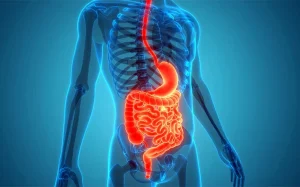
Mango contain both soluble and insoluble fiber, which aids in digestion and promotes regular bowel movements. The enzymes amylases found in mangoes help break down complex carbohydrates into simpler sugars, making them easier to digest. Consuming mangoes can help prevent constipation and support a healthy digestive system.
4. Boosts Immune System;

The high vitamin C content in it plays a crucial role in strengthening the immune system. Vitamin C enhances the production and function of white blood cells, which are essential for fighting off infections and illnesses. Additionally, the presence of vitamin A and other antioxidants in it helps maintain the health of the mucous membranes, providing an added layer of protection against pathogens.
5. Promotes Skin Health;

MANGOES AND HEALTH
Mango is beneficial for skin health due to their high content of vitamins A and C. Vitamin A helps maintain healthy skin by promoting cell regeneration and repair, while vitamin C supports collagen production, improving skin elasticity and reducing the appearance of wrinkles. The antioxidants in mangoes also protect the skin from damage caused by free radicals and UV radiation.
Summary
In addition to being delicious, they often referred to as the “king of fruits”—are rich in a variety of nutrients that provide a host of health advantages. Including it in your diet can improve your health for the following main reasons:
Multiple System Atrophy

Key Relevance of Monounsaturated Fats

Best Proteinous Fruits

A Step-by-Step Guide to Deleting Reels on Instagram

How to Create a WhatsApp Group