Food
Protein Sources

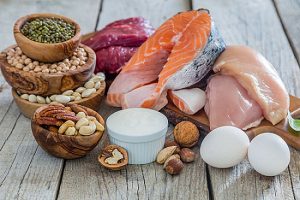

Protein sources. The building, mending, and regulation of the body’s tissues and organs depend on proteins, which are vital macromolecules composed of chains of amino acids. They are one of the three primary macronutrients and serve a number of purposes, such as hormones, enzymes, and structural elements. There are many different animal sources of protein, including meat, chicken, fish, and eggs, as well as plant sources, including soy, beans, nuts, and seeds.
PROTEIN SOURCES
Lean meats, chicken, fish, eggs, dairy products, legumes (beans, peas, lentils), nuts, seeds, and soy products are just a few examples of the many different animal and plant-based foods that are considered protein sources. Eating a range of protein sources throughout the day is the best way to obtain a complete amino acid profile. Animal and plant sources both provide protein. Below, are some of the top foods high in protein:
1. Eggs;
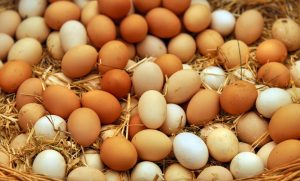

We enjoy cooking with them, but what is the protein content of an egg? Approximately 6g of easily digestible protein can be found in one medium egg. A nutritious omelette is a great way to start the day and makes a satisfying post-workout snack.
2. Milk;


protein sources
Foods made from dairy are high in protein and include calcium, which helps to develop bones. Chocolate milk has long been considered the ideal post-workout recovery food due to its combination of fast- and slow-releasing whey and casein proteins, as well as energy-boosting carbs. A milk-based fruit smoothie, like this one with raspberries and cranberries, can have the same recuperation-enhancing benefits.
3. Yogurt;


Yogurt, which combines casein and whey protein, is a healthy source of protein. If you are lactose intolerant, it might be a good alternative because part of the lactose is eliminated, but if you have any concerns, speak with your healthcare provider.
4. Fish and seafood;

protein sources
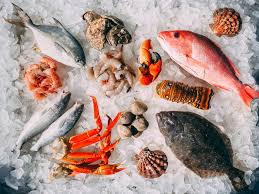
Seafood and fish are often low in fat and high in protein. Salmon has a somewhat higher fat content than other fish, but it also contains heart-healthy omega-3 fatty acids, which help to relieve inflammation and stiffness in joints.
5. Soya;

protein sources
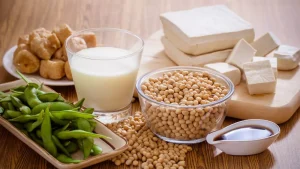
Eating foods high in soy protein, such as fortified tofu and soy-based beverages, can aid in the healing process if you are intolerant to dairy. They may also minimize the risk of heart disease and assist lower cholesterol.Eating foods high in soy protein, such as fortified tofu and soy-based beverages, can aid in the healing process if you are intolerant to dairy. They may also minimize the risk of heart disease and assist lower cholesterol.
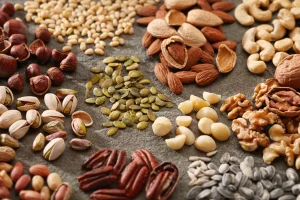
6. Nuts and seeds;

protein sources
If you’re always on the go, nuts and seeds make a convenient source of protein. About fifty pistachio nuts include six grams of protein along with potassium and salt, which are the electrolytes lost through perspiration during exercising. This quick snack or breakfast dish of pistachios and clementine-flavored couscous is delicious.
Summary
By using these animal-based protein sources in your diet, you may increase the diversity of your meals and obtain high-quality protein. Remember to consider your personal dietary needs and preferences while selecting animal-based proteins.