water
Rain Water Relevance


Rain water relevance. In addition to providing economic and environmental benefits through harvesting for non-potable uses (gardening, cleaning) and even drinking (with treatment), reducing reliance on piped water, and mitigating floods, rainwater is essential for life, replenishing freshwater sources, supporting agriculture, and maintaining ecosystems. Its significance stems from the fact that it is an essential, renewable resource for environmental balance, survival, and sustainable water management—particularly in water-scarce places, where appropriate treatment guarantees consumption safety.
RAIN WATER RELEVANCE
Natural purity, economic savings, environmental benefits, support for sustainable gardening, emergency water supply, and fewer water treatment requirements are just a few advantages of rainwater. Effective rainwater harvesting can support more environmentally friendly lifestyle choices and offer workable water management solutions.
1. Natural Purity;

Rain is generally free from the chemicals and contaminants found in municipal tap water. When collected directly from the sky, it is relatively clean, though it may need to be filtered to ensure its safety for drinking and other uses. Its natural purity makes it a preferred choice for irrigation and certain household uses.
2. Cost Savings;
Using rain for non-potable purposes, such as watering gardens or flushing toilets, can significantly reduce water bills. By collecting and storing rainwater, households and businesses can lessen their reliance on municipal water systems, leading to potential cost savings.
3. Environmental Benefits;

RAIN WATER RELEVANCE
Rainwater harvesting helps reduce the strain on freshwater sources and municipal water supplies. By capturing rainwater, we decrease the demand on traditional water sources and promote sustainable water management practices. Additionally, using rain can help reduce stormwater runoff, which minimizes erosion and prevents water pollution in local waterways.
4. Supports Sustainable Gardening;

RAIN WATER RELEVANCE
Rainwater is ideal for gardening and agriculture. It is often better for plants than tap water because it lacks the chlorine and other chemicals found in treated water. Using rain for irrigation supports healthier soil and plants, leading to more vibrant and productive gardens.
5. Emergency Water Supply;
Rainwater collection provides a valuable backup water supply in emergencies or during water shortages. By having a rain storage system in place, households can ensure access to water during periods of drought or disruptions in the main water supply.
6. Reduced Water Treatment Needs;

RAIN WATER RELEVANCE
When rain is used for non-potable purposes, it reduces the volume of treated water needed for these uses. This can decrease the load on water treatment facilities, leading to more efficient use of resources and potentially lower environmental impact.
Summary
Rainwater has many important advantages that are sometimes disregarded. Rainwater collection and use can benefit communities and individuals while also promoting environmental sustainability.






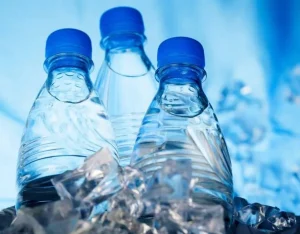
Drinking water relevance. Since it makes up 50% to 65% of body weight and supports critical processes including waste disposal, nutrient transportation, and temperature regulation, drinking water is crucial for survival. Staying properly hydrated helps with digestion, improves mood, and avoids weariness. Though requirements vary by exercise and environment, men require approximately 15.5 cups (3.7 liters) of total fluids per day, while women require 11.5 cups (2.7 liters), including food.
DRINKING WATER RELEVANCE
Drinking water, which makes up around 60% of body weight and supports almost all biological functions, such as waste disposal, temperature regulation, and nutrition transport, is crucial for human life and wellness. Daily consumption is essential to avoid dehydration, which can result in headaches, physical exhaustion, and cognitive impairment.

1. It contributes to saliva creation Saliva is mostly composed of water. Saliva also contains trace levels of mucous, enzymes, and electrolytes. It is necessary to maintain the health of your mouth and to break down solid food. When you consume fluids on a regular basis, your body typically creates enough saliva. However, aging, certain medications, or certain therapies may cause your salivary flow to decrease.
2. It controls your body temperature. In order to keep your body temperature stable, you must stay hydrated. Sweating is how your body loses water when you’re exercising and in hot weather. Sweating helps to keep your body cool, but if you don’t replace the water you lose, your body temperature will rise. That’s because dehydration causes your body to lose plasma and electrolytes.

DRINKING WATER RELEVANCE
3. It safeguards your joints, tissues, and spinal cord. Drinking water helps your tissues, spinal cord, and joints stay lubricated and cushioned. You’ll be able to enjoy exercise more and have less pain from ailments like arthritis.
4. Through sweating, urinating, and defecating, it aids in waste excretion. Your body utilizes water for bowel movements, sweating, and urination. When exercising or in warm weather, sweat controls body temperature. To replace the fluids lost through perspiration, you must drink water.
5. It optimizes physical performance. It’s crucial to drink lots of water when exercising. Through physical exercise, athletes may sweat up to 6–10% of their body weight. Hydration also has an impact on your stamina, strength, and power.
DRINKING WATER RELEVANCE
6. It keeps constipation at bay. Constipation can be avoided in ways other than consuming fiber. To ensure that your bowel motions contain adequate water, it’s also critical to maintain your water consumption. Constipation may become more common if you don’t get enough fiber, magnesium, and water in your diet.

DRINKING WATER RELEVANCE
7. It facilitates digestion. Despite popular belief, researchers have confirmed that drinking water before, during, and after meals will facilitate your body’s ability to process the food you eat. By doing this, you will maximize the benefits of your meals and improve your ability to digest food.
Summary
Water makes up most of your body weight and is necessary for several important functions. This entails maintaining bodily hygiene, regulating body temperature, and promoting brain function.

Advantages of gulping hot water. The body uses water for several purposes, including lubricating joints, protecting organs and tissues, regulating body temperature, and providing cells with nutrition and oxygen. Despite the possibility of mild dehydration during the day, there is no evidence that drinking water on an empty stomach will have any extra advantages. As long as you replenish your body’s water losses, it doesn’t really matter if you drink a glass of water first thing in the morning or at any other time of day.
ADVANTAGES OF GULPING HOT WATER
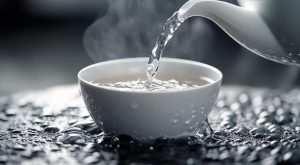
Many people find that drinking hot water, whether it be lemon water or just plain hot water, is soothing and healthful. Hot water may improve digestion, ease congestion, lower stress levels, and make you feel warmer in addition to keeping you hydrated. Drinking water, hot or cold, keeps your body hydrated and in good health. Some claim that drinking hot water, as opposed to cold water, might improve digestion, ease congestion, and even promote relaxation.
Since there isn’t much scientific research on the subject, the majority of the health advantages of hot water are based on anecdotal stories. Nevertheless, a lot of people experience the benefits of this therapy, particularly in the morning or just before bed. Among its many advantages, hot water can increase digestion, ease pain, encourage relaxation, and speed up metabolism. The advantages of drinking hot water are discussed in this article, along with the reasons it’s worthwhile to include it in one’s daily routine.
1. Handling Colds/Enhancing Sinus;

Wellbeing In particular, drinking hot water can help treat colds and promote sinus health. Because hot water thins mucus and reduces inflammation, it helps those with nasalcongestion.
2. Aids with Digestion;
Drinking hot water has several advantages, such as better digestion due to increased blood flow to the digestive system and stimulation of the digestive organs. Additionally, hot water can facilitate the body’s absorption of nutrients.
3. Enhances the Performance of the Central Nervous System;

Blood circulation can be enhanced by warm water, which helps the brain receive oxygen and nutrients and perform better overall. Drinking warm water also helps people feel less stressed and anxious, which can aid the nervous system.
4. Addresses Constipation;
Warm water has several advantages, including the potential to alleviate constipation. Warm water consumption can encourage bowel motions and aid in digestive system stimulation. Additionally, warm water helps soften feces.
5. Preserves Hydration;

Advantages of gulping hot water
During chilly weather, when the body tends to lose more fluids, drinking hot water can help restore lost fluids. Additionally, hot water can be calming, which makes individuals want to drink more water and stay hydrated.
6. Lessens Shivering in Cold Environments;
Another advantage of hot water is that it lessens shivering in cold weather. In order to produce heat and stay warm, the body may begin to shiver when exposed to cold temperatures.
7. Enhances Circulation;

Advantages of gulping hot water
An additional advantage of drinking hot water is better circulation. The body’s tissues and organs receive more oxygen and blood flow when blood vessels are dilated by the warmth of hot water.
8. Detoxing the Body;
Advantages of gulping hot water
Warm water consumption may help the body detoxify. By raising body temperature, the warm water can encourage perspiration and facilitate the body’s natural elimination of toxins through the skin.
Summary
Though many of these claims are based on anecdotal evidence and traditional medical practices like Ayurveda and Traditional Chinese Medicine, with little conclusive scientific research, gulping (or sipping) hot or warm water is thought to offer a number of benefits, primarily related to digestion, circulation, and congestion relief.


Water contaminants. All bodily systems are impacted by water contaminants, but children and vulnerable groups are especially at risk. These side effects can range from short-term problems like diarrhea, vomiting, and skin rashes (caused by microbes) to long-term chronic issues like cancer, neurological disorders, kidney disease, and reproductive problems (caused by chemicals like lead, arsenic, and PFAS). Infectious disorders like cholera and typhoid are caused by microorganisms, whereas industrial pollutants and heavy metals can eventually lead to organ damage, developmental issues, and an increased risk of cancer.
WATER CONTAMINANTS
Water quality can be compromised and made unhealthy by a number of factors, including chemical pollution and microbial contaminants. Ensuring access to safe and clean water requires addressing these problems through efficient treatment, appropriate disposal procedures, and environmental protection. Although water is necessary for life, it can become unhealthy due to a number of circumstances. Both individuals and communities are at significant risk for health problems due to contaminated water. It is essential to comprehend these elements in order to guarantee that people have access to clean drinking water.
Common Contaminants;

1. Microbial Contaminants:
Bacteria, viruses, and parasites are significant threats to water quality. Pathogens such as E. coli, Giardia, and Cryptosporidium can cause gastrointestinal illnesses and other infections. These contaminants often enter water sources through inadequate sanitation and wastewater treatment.
2. Chemical Pollutants:

Water can become contaminated with harmful chemicals from various sources. Pesticides, heavy metals (such as lead and mercury), and industrial chemicals (like PCBs) can seep into water supplies through runoff or improper disposal. These pollutants can have severe health effects, including neurological damage and cancer.
3. Nutrient Overload:
Excess nutrients, particularly nitrogen and phosphorus, from agricultural runoff can lead to eutrophication. This process results in excessive algae growth, which depletes oxygen in the water and can produce toxins harmful to aquatic life and humans.
4. Pharmaceuticals and Personal Care Products:

water contaminants
Residues from medications and personal care products can enter water supplies through improper disposal or human waste. These substances can disrupt endocrine systems and impact both human and aquatic health.
5. Physical Contaminants:
Sediments, debris, and other physical materials can affect water quality by increasing turbidity, which can reduce the effectiveness of disinfection and harm aquatic ecosystems.
Prevention;
1. Water Treatment:
water contaminants
Effective water treatment processes, including filtration, chlorination, and UV disinfection, are essential for removing contaminants and ensuring water safety.
2. Proper Waste Disposal:
Proper disposal of chemicals, pharmaceuticals, and waste helps prevent pollutants from entering water sources.
3. Sanitation Practices:

water contaminants
Improved sanitation and sewage treatment reduce the risk of microbial contamination in water supplies.
4. Environmental Protection:
Protecting water sources from agricultural runoff, industrial discharge, and other pollutants helps maintain water quality and ecosystem health.
Summary
These pollutants could be man-made or naturally occurring. Nitrogen, bleach, salts, pesticides, metals, bacterial toxins, and medications for humans or animals are a few examples of chemical pollutants. Waterborne organisms are known as biological pollutants. Microbes or microbiological pollutants are other names for them.

Capable God Lyrics

Glorious God Lyrics

Ancient of Days Lyrics

A Step-by-Step Guide to Deleting Reels on Instagram

How to Create a WhatsApp Group