environment
Recycle Bin and Relevance

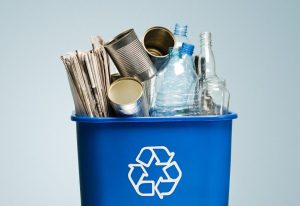
Recycle bin andd relevance. It is one of the most effective ways to shield the environment and the surrounding area from pollution and unnecessary waste. Reusing discarded materials to create new products is known as recycling. The amount of rubbish produced annually is increasing due to population growth. The wastes are extremely harmful to human health in addition to being hazardous to the environment and natural resources.
RECYCLE BIN AND RELEVANCE
The Recycle Bin is a core element of the Windows operating system. Providing a safety net for deleted files and enabling users retrieve unintentionally erased data. in this piece. We’ll go over the Recycle Bin’s main functions, features, and why it’s a crucial tool for computer file management.
What is the Recycle Bin?
The Recycle Bin is a special folder on your computer’s hard drive. That stores files and folders that have been deleted by the user. Rather than permanently removing deleted files from the system, the Recycle Bin acts as a temporary storage space. Allowing users to recover deleted items if needed.
How Does recycle bin Work?
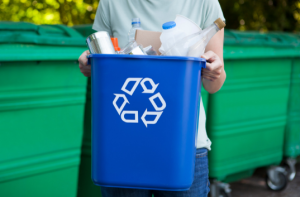
A deleted file from your computer does not mean that its contents are instantly gone from the hard drive. Rather, the file gets transferred to the folder. where it stays until the person chooses to move it back to its original spot or permanently remove it. When you delete a file, it is moves there along with its original path and filename. This allows it to maintain a record of the file’s location and attributes. Making it easier to restore deleted files to their original state.
Features of the Recycle Bin:
1. Storage Capacity:
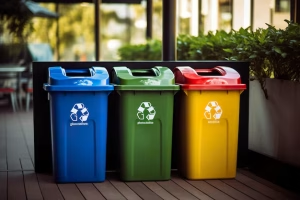
The Recycle Bin has a maximum storage capacity, which is determined by the user or system settings. Once it reaches its capacity limit, older files are automatically deleted to make room for new ones.
2. Recovery Options:
Users can easily restore deleted files from it by selecting the desired items and choosing the “Restore” option. This returns the files to their original location on the hard drive.
3. Permanent Deletion:

Hpwever, if a user decides to permanently delete a file from it, it is erased from the hard drive and cannot be recovered. This frees up storage space on the computer and ensures that sensitive data is securely erased.
4. Customization:
Meanwhile, users can customize the behavior of the Recycle Bin by adjusting settings such as storage capacity, file retention period, and confirmation prompts for file deletion. This allows users to tailor it to their specific needs and preferences.
Why is it Important?

Also, the Recycle Bin plays a crucial role in file management on your computer. Providing a safety net for deleted files and helping to prevent accidental data loss. By storing deleted items temporarily. The Recycle Bin gives users the opportunity to recover valuable data that may have been deleted accidentally or mistakenly.
In addition to its role in data recovery, it also helps users manage their storage space more effectively. By providing a central location for deleted files. The app makes it easy to identify and remove unnecessary data, freeing up storage space on the hard drive.
Summary
It is a useful tool for computer file management. providing a backup for erased data and assisting in maintaining an orderly and effective storage space. by being aware of how it functions and utilizing its capabilities. Users may keep their file system neat and orderly and reduce the chance of data loss.
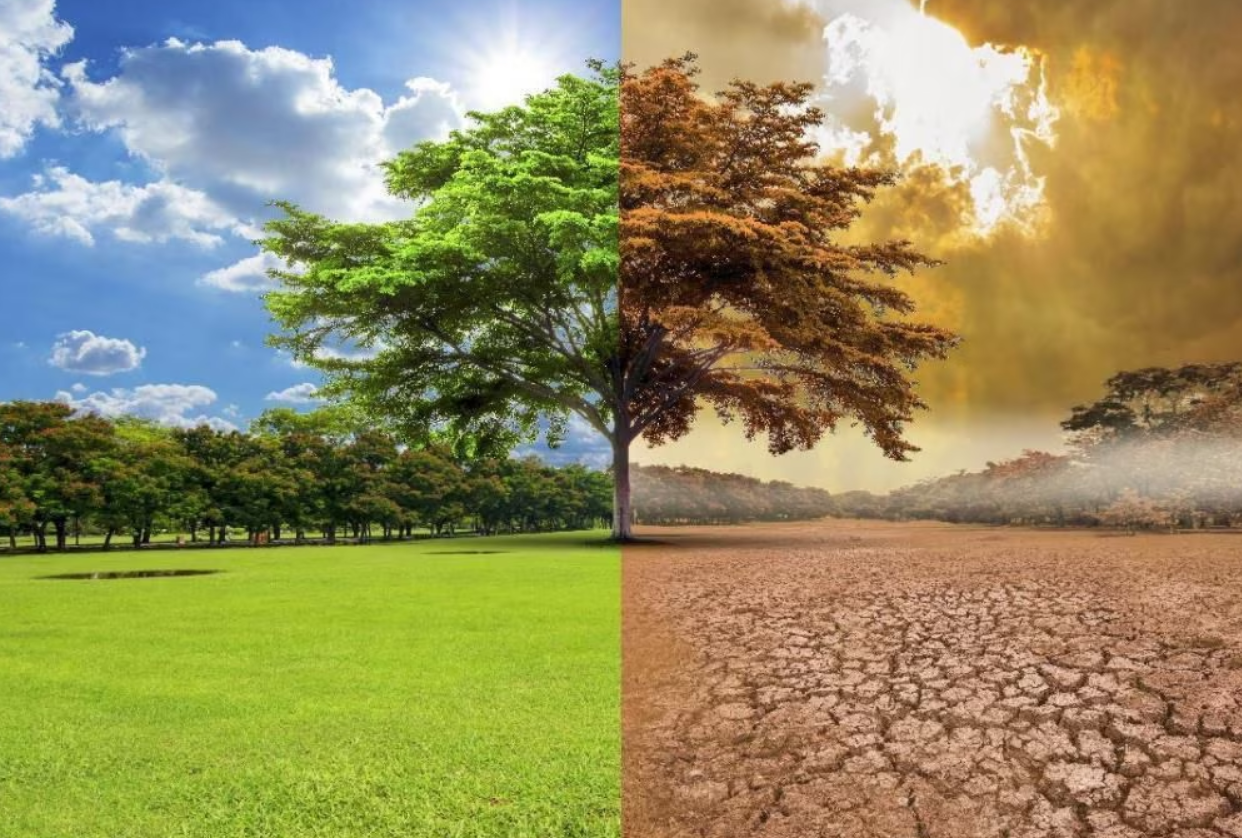
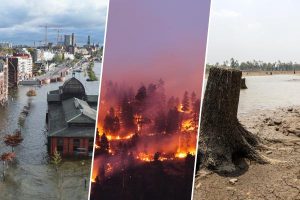
Global warming consequences. The long-term increase in Earth’s average temperature is known as global warming, and it is mostly brought on by human activities like burning fossil fuels and deforestation, which release greenhouse gases into the atmosphere that trap heat, such as CO2 and methane. This is a serious worldwide problem because it causes severe climate changes, such as melting glaciers, increasing sea levels, harsh weather (droughts, floods, storms), and ecosystem disruptions.
GLOBAL WARMING CONSEQUENCES
Increased greenhouse gas emissions from fossil fuels cause global warming, which raises temperatures, increases the frequency of extreme weather events (heatwaves, droughts, floods, strong storms), melts ice, raises sea levels, acidifies the ocean, disrupts ecosystems (species extinction, wildfires), and has major negative effects on human health and the economy that affect infrastructure, food, and water worldwide.
The Reasons;
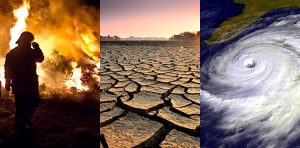
The chemistry of our atmosphere is altered by the emissions of fuels, which lets sunlight reach Earth but stops heat from space. The term “greenhouse effect” refers to this phenomenon.
Impacts;

global warming and consequences
1.The effect that rising temperatures will have on Earth’s polar regions and mountain glaciers is one of the most alarming effects of global warming.
2. However, Compared to the rest of the earth, the Arctic is warming four times faster.
3.Because of the reduction in vital ice habitat and the disruption of the jet stream, there are increasingly erratic weather patterns all throughout the world.
4.Melt is currently one of the main effects of climate change. Meanwhile, A 2016 study that was published in the journal Current Climate found that between 1960 and 2015,
there was a trend toward reduced snow cover in North America, Europe, and Asia.
More Impacts;
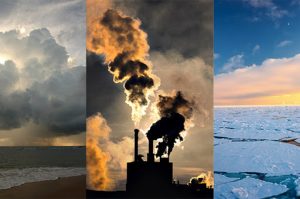
global warming and consequences
5.A striking consequence of global warming is the decline of Arctic Sea ice. In fall 2015 and winter 2016, sea ice reached record-low extents, indicating that it was falling behind schedule when it should have been at its maximum.
6.However, a shift in temperature has the potential to push cold, Arctic air southward via the polar jet stream, which separates warm equatorial air from cold air near the North Pole.
7. Meanwhile, Weather patterns are shifting as average world temperatures rise. Weather extremes are a direct result of global warming. There are several varieties available for these extremes. Ironically, in certain places, colder winters may be a result of climate change.
8.An additional direct and evident effect of global warming is the rise in global temperatures.climate scientists have concluded.
Summary
consequences of global warming. Along with rising sea levels, changing species habitats, natural calamities, and average temperature increases, as heat-trapping greenhouse gasses like carbon dioxide and methane.
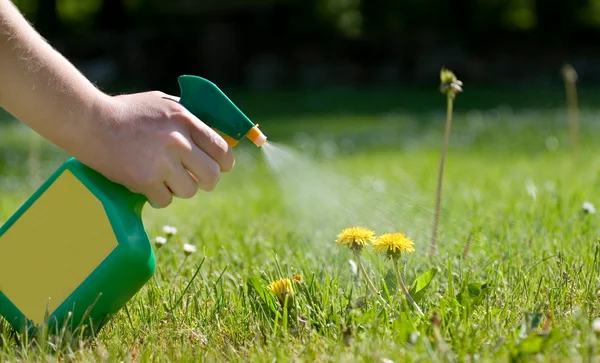

Tools for herbicides. It provide major advantages in crop yield and weed control, making them essential instruments in contemporary agriculture and environmental management. To reduce possible dangers to the environment and human health, its use must be carefully controlled. In order to ensure that these essential chemicals may be used safely and efficiently in the future, ongoing research and development aims to produce more targeted and sustainable herbicides. Chemicals called herbicides, sometimes referred to as weed killers, are used to manage undesirable vegetation. By identifying and getting rid of invasive weeds that compete with crops for nutrients, water, and sunlight, they are essential to contemporary gardening, agriculture, and environmental management.
TOOLS FOR HERBICIDES
In both agricultural and non-agricultural contexts, herbicides are chemicals used to suppress undesirable plants, also known as weeds. They can be non-selective, eliminating all vegetation they come into contact with, or selective, focusing on particular kinds of weeds. They function by either killing or preventing the growth of plants. Herbicides can be used pre-plant (before to planting), pre-emergent (prior to weeds emerging), or post-emergent (after weeds have begun to develop).
Types of Herbicides;

Herbicide can be classified into several categories based on their mode of action, selectivity, and application timing:
1. Selective Herbicides: These target specific types of plants while leaving others unharmed. For example, broadleaf herbicide is designed to kill dicot plants (like dandelions) without affecting monocot plants (like grasses).
2. Non-Selective Herbicides: These kill all plant types and are typically used in areas where complete vegetation control is desired, such as industrial sites, railways, and roadsides.
3. Pre-Emergent Herbicides: Applied before the weed seeds germinate, these prevent the emergence of new weeds by inhibiting seedling growth.
4. Post-Emergent Herbicides: These are applied after the weeds have emerged and are actively growing. They work by disrupting critical physiological processes in the plant.
Mechanism of Action;

Tools for herbicides
Herbicides operate through various mechanisms, depending on their chemical composition and target plants. Common modes of action include:
– Inhibition of Photosynthesis: Some herbicide interfere with the plant’s ability to conduct photosynthesis, effectively starving the plant of energy.
– Disruption of Cell Division: Certain herbicides prevent cell division, hindering plant growth and development.
– Hormonal Disruption: Some herbicides mimic plant hormones, causing abnormal growth and eventually death.
Benefits of herbicides;
Tools for herbicides
The use of herbicides offers several advantages, particularly in agriculture:
– Increased Crop Yields: By effectively controlling weeds, herbicide help ensure that crops receive more of the essential resources they need to grow, leading to higher yields.
– Labor and Cost Efficiency: Herbicide reduce the need for manual weeding, saving time and labor costs for farmers and gardeners.
– Improved Soil Health: When used properly, herbicide can reduce soil erosion by maintaining ground cover and minimizing the need for tillage.
Environmental and Health Concerns;

Tools for herbicides
Despite their benefits, herbicides pose potential risks to the environment and human health. Overuse or improper application can lead to:
– Herbicide Resistance: Weeds can develop resistance to herbicide over time, making them harder to control and leading to the need for stronger chemicals.
– Water Contamination: Runoff from herbicide-treated areas can contaminate water sources, affecting aquatic ecosystems and potentially entering drinking water supplies.
– Human Health Risks: Exposure to certain herbicide has been linked to health issues, including respiratory problems, skin irritation, and in some cases, more severe conditions such as cancer.
Summary
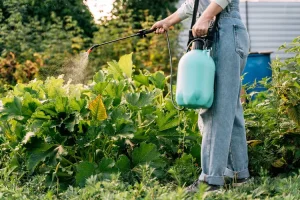
Granular applicators, mechanical instruments like hoes for manual removal, and handheld, backpack, or big boom sprayers are some of the tools used to apply herbicides. Furthermore, protective clothing is necessary for safe handling, and specialist equipment such as weed wipers or aircraft application is required for big regions.


Tips for cleaning our environment. Since the environment is vital to our existence, we must keep it safe and healthy for both the current and future generations. Given the increasing levels of pollution and climate change, it is more important than ever to keep our environment safe and clean. Even used automobiles are really good for the environment, especially electric vehicles.
TIPS FOR CLEANING OUR ENVIRONMENT
When your entire universe vanishes before your very eyes, is there anything more terrible and terrifying? We don’t believe that. Deforestation, excessive use of natural resources, and the production of chemical waste are all instances of careless human behavior that harms the ecosystem and endangers human life.
1. Reduce, Reuse, and Recycle;

Reducing, reusing, and recycling are some of the simplest and most efficient ways to keep our environment safe and clean. We can lessen the quantity of garbage that pollutes our environment and ends up in landfills by cutting back on the amount of waste we make, reusing products rather than throwing them away, and recycling as much as we can.
2. Use Eco-Friendly Products;
Using eco friendly items is another way we can keep our environment clean and safe. This covers item such as biodegradable goods, natural cleansers and goods manufactured with sustainable materials. We can lessen our environmental effect and contribute to the development of a more sustainable future by using these products.
3. Conserve Water;

Tips for cleaning our environment
Since water is a valuable resource, it is crucial to conserve it wherever feasible. This involves adopting water efficient appliances, cutting short showers and repairing leaks. We can lessen our influence on the environment and guarantee that future generations will have access to this vital resources by practicing water conservation.
4. Use Energy-Efficient Appliances;
Another important strategy for maintaining a clean and healthy environment is energy efficiency. Our carbon footprint can be decreased and our energy consumption can be decreased by using energy efficient appliances. This includes buying energy efficient appliances, installing programmable thermostats, and switching to LED light bulbs
5. Dispose of Hazardous Waste;
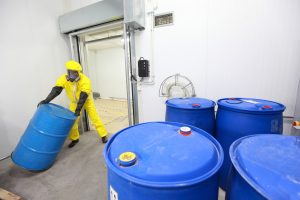
Batteries and electronics are examples of properly hazardous trash that can damage the environment if improperly disposed of. To make sure that these things don’t wind up in landfills or harm the environment, it’s crucial to dispose of them at approved collection locations or through recycling programs.
6. Use Renewable Energy Sources;
Tips for cleaning our environment
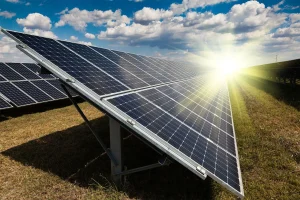
The development of sustainable energy sources, such as wind and solar energy, is imperative. We can lessen our dependency on fossil fuels and contribute to the creation of a better and cleaner world for future generations by making every effort to use renewable energy sources.
Summary
Reduce waste by using the Reduce, Reuse, Recycle, conserve energy and water; support sustainable and local options; use fewer harmful chemicals; plant trees; and educate yourself and others to promote a shared commitment to environmental stewardship in order to clean and protect the environment.

Cold Weather Coping Mechanisms

How to Quit Smoking

Life Stages

A Step-by-Step Guide to Deleting Reels on Instagram

How to Create a WhatsApp Group