vegetables
Red Cabbage Vegetable


RED CABBAGE VEGETABLE
Red cabbage vegetable. The plant chemical anthocyanin and the acidity of the soil where it is produced give this kind of cabbage its purple-reddish hue. It provides a lot of health advantages, much like most colored veggies. The true healthfulness of some foods is a topic of debate. For cabbage, which many consider to be among the healthiest foods in the world, this is untrue.
RED CABBAGE VEGETABLE
Rich in essential vitamins and minerals and low in calories, cabbage can be utilized in a wide range of recipes, including several regional specialties. Red cabbage is a cruciferous, or Brassica, vegetable that is high in nutrients and related to kale, cauliflower, and broccoli. Its dark purple-reddish leaves are the reason it’s frequently referred to as purple cabbage.
1. Health of bones

Numerous elements that are critical for bone health can be found in cabbage. Although most people are aware of the importance of calcium and vitamin D for bone health, vitamin K and magnesium are also vital for healthy bones.
Unfortunately, one may not obtain enough of these nutrients from a typical American diet. Green cabbage in particular is a high source of vitamin K. Small amounts of calcium, magnesium, and zinc are also included, which can support the development and maintenance of strong bones.
2. benefit your heart

Anthocyanin-rich diets, such as those found in red cabbage, have been associated with decreased blood pressure. They are also associated with a lower risk of cardiovascular disease, which includes heart and blood vessel problems.
3. Health of the digestive system
Every cabbage has a lot of fiber. Fiber lessens constipation by keeping food flowing through your digestive system. Your gut’s beneficial bacteria may benefit from the soluble fiber in cabbage. Although additional research is needed to fully understand this advantage, it might help keep the prebiotics in your digestive system in a healthy balance. Foods known as prebiotics aid in nourishing “healthy” gut microbes. Additionally, fermented cabbage may support the proper balance of probiotics and microbes in your digestive tract. Your intestines may get stronger as a result.
4. Control of weight
Due to its high water content, low calorie level, and high dietary fiber content, cabbage may also aid in weight loss. You can feel satisfied without consuming a lot of calories by doing these things.
5. Prevention of colorectal cancer

A substance called indole-3-carbinol is abundant in cabbage and similar crops like kale, broccoli, and Brussels sprouts. According to scientists, this molecule may be crucial in preventing colorectal cancer as well as other cancers.
6. Less discomfort during nursing
Green cabbage leaves can help ease the pain and firmness of your breasts if you experience engorgement or mastitis during nursing. You could be more inclined to keep nursing as a result.
7. Decreased chance of diabetes

Consuming a lot of leafy green vegetables, such as green cabbage, may lower your chance of getting type 2 diabetes. Though research indicates that leafy green veggies may be the most effective, all fruits and vegetables can help avoid diabetes.
Summary
A nutrient-dense vegetable, red cabbage has been connected to several health advantages, such as reduced risk of some types of cancer, better digestive health, a stronger heart, and inflammation. It is especially healthy when eaten diced and fresh in a salad or slaw, and it contains more antioxidant chemicals than either white or green cabbage.
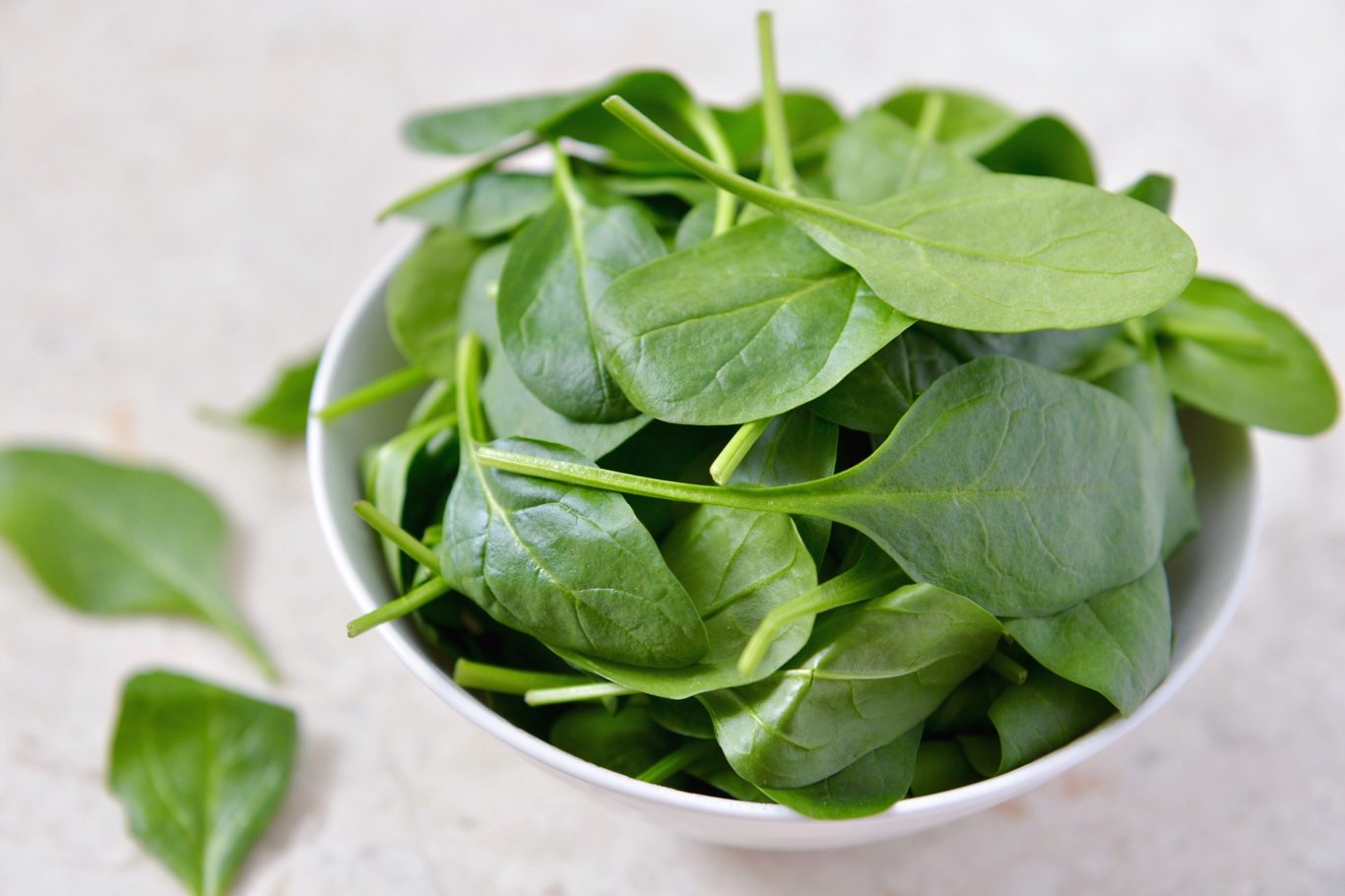
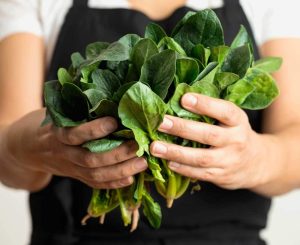
Spinach: a healthy vegetable. A nutritional powerhouse, spinach’s enhance heart and bone health, strengthen the immune system, and improve digestion, among many other health advantages. Its culinary adaptability makes it simple to use in a variety of recipes, whether it’s cooked in soups and stews, blended into smoothies, or added fresh to salads. You can benefit from spinach’s many health advantages and enhance your general wellbeing by including it in your die
SPINACH: A HEALTHY VEGETABLE
A nutritious vegetable, spinach is high in iron, magnesium, folate, and vitamins A, C, and K. In addition to providing antioxidants that may lower inflammation and improve heart health, its nutrients help immune system, bone health, and vision. It is also good for digestion and weight control because of its high fiber and low calorie content.
1. Rich in Essential Nutrients;
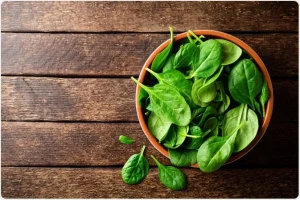
Spinach is packed with essential vitamins and minerals, including vitamins A, C, and K, as well as iron, calcium, and magnesium. Vitamin A supports vision and immune function, while vitamin C acts as an antioxidant and aids in collagen synthesis. Vitamin K is crucial for blood clotting and bone health, and the minerals in spinaches contribute to overall bodily functions and bone strength.
2. Supports Heart Health;

The high levels of nitrates in spinach help improve blood flow and reduce blood pressure. Spinaches also contains antioxidants like lutein and zeaxanthin, which help reduce inflammation and oxidative stress, both of which are risk factors for heart disease. Additionally, the fiber in spinach helps lower cholesterol levels, further supporting cardiovascular health.
3. Aids in Digestion;

SPINACH: A HEALTHY VEGETABLE
Spinach is an excellent source of dietary fiber, which promotes healthy digestion and regular bowel movements. Fiber helps prevent constipation by adding bulk to the stool and promoting its smooth passage through the digestive tract. Additionally, the prebiotic properties of fiber support the growth of beneficial gut bacteria, contributing to overall digestive health.
4. Boosts Immune System;

SPINACH: A HEALTHY VEGETABLE
Spinach is rich in vitamins and antioxidants that strengthen the immune system. Vitamin C boosts the production of white blood cells, enhancing the body’s ability to fight infections. The antioxidants in spinaches, such as beta-carotene and vitamin E, help protect cells from damage and support the body’s natural defense mechanisms.
5. Supports Bone Health;

SPINACH: A HEALTHY VEGETABLE
The high vitamin K content in spinaches plays a crucial role in bone health by enhancing calcium absorption and promoting bone mineralization. Additionally, spinach provides a good amount of calcium and magnesium, both of which are essential for maintaining strong and healthy bones. Regular consumption of spinach can help reduce the risk of osteoporosis and bone fractures.
Summary
Spinach is praised for its remarkable nutritional profile and adaptability. Regular spinach consumption has several health advantages. Including spinach in your diet is crucial for general health and well being for the following five main reasons.
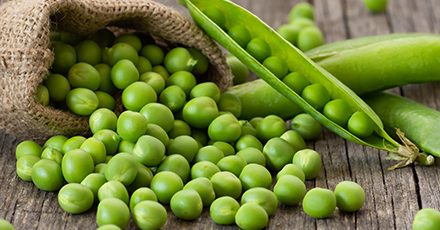
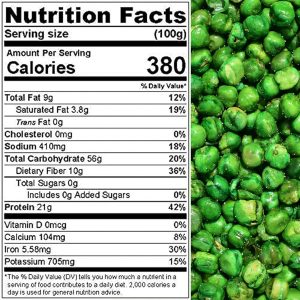
Nutritional value of green peas. They are a healthy and adaptable vegetable that can be used in many different recipes. They are a favorite in kitchens all around the world because of their delicious flavor, eye-catching color, and remarkable health advantages. Peas are a tasty and healthy complement to any meal, whether they are used in soups, salads, or as a straightforward side dish.
NUTRITIONAL VALUE OF GREEN PEAS
Because they are low in calories and fat and high in protein, fiber, vitamins (A, C, K, folate, B vitamins), and minerals (iron, magnesium, phosphorus, zinc), green peas are a great addition to a healthy diet for fullness and essential nutrient intake. They also offer benefits for digestion, muscle building, and the prevention of chronic diseases.
Culinary Uses;

Green peas are incredibly versatile and can be used in a wide range of dishes. In Western cuisine, they are often found in soups, stews, and casseroles. A classic example is the traditional British dish, mushy peas, served with fish and chips. Peas are also commonly added to pasta dishes, salads, and rice-based dishes like risotto and paella, providing a pop of color and a burst of sweetness.
In Indian cuisine, green peas are featured in dishes like matar paneer, a flavorful curry made with peas and Indian cheese, and in a variety of spiced rice dishes and samosas. They are also popular in stir-fries and as a simple side dish, often cooked with butter and herbs.
Nutritional Benefits;
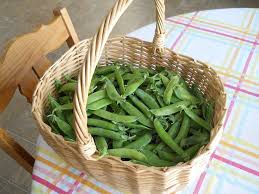
NUTRITIONAL VALUE OF GREEN PEAS
Green peas are a nutritional powerhouse. They are an excellent source of vitamins A, C, and K, which are essential for immune function, skin health, and blood clotting. They also provide a good amount of fiber, which aids in digestion and helps maintain healthy cholesterol levels. Green pea are rich in protein for a vegetable, making them a valuable addition to vegetarian and vegan diets.
Health Benefits;
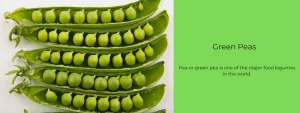
NUTRITIONAL VALUE OF GREEN PEAS
The health benefits of green pea are extensive. Their high fiber content supports digestive health and can help prevent constipation. The antioxidants in green peas, such as flavonoids, carotenoids, and polyphenols, help reduce inflammation and protect against chronic diseases like heart disease and cancer.
Green peas are also beneficial for blood sugar management. Their low glycemic index and high fiber content help regulate blood sugar levels, making them suitable for people with diabetes. The vitamins and minerals in green peas support overall health, with vitamin K playing a crucial role in bone health and vitamin C boosting the immune system.
Environmental Impact;
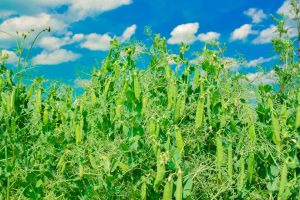
NUTRITIONAL VALUE OF GREEN PEAS
Green pea is an environmentally friendly crop. They require less water to grow compared to many other vegetables and have a low carbon footprint. As legumes, green peas can fix nitrogen in the soil, enhancing soil fertility and reducing the need for synthetic fertilizers. This makes them a sustainable choice for both farmers and consumers looking to reduce their environmental impact.
Summary
Garden peas, sometimes referred to as green peas, are a popular vegetable that are loved all over the world for its remarkable nutritional profile, vivid color, and sweet flavor. These tiny, spherical legumes are still a mainstay in many culinary traditions, having been grown for thousands of years.
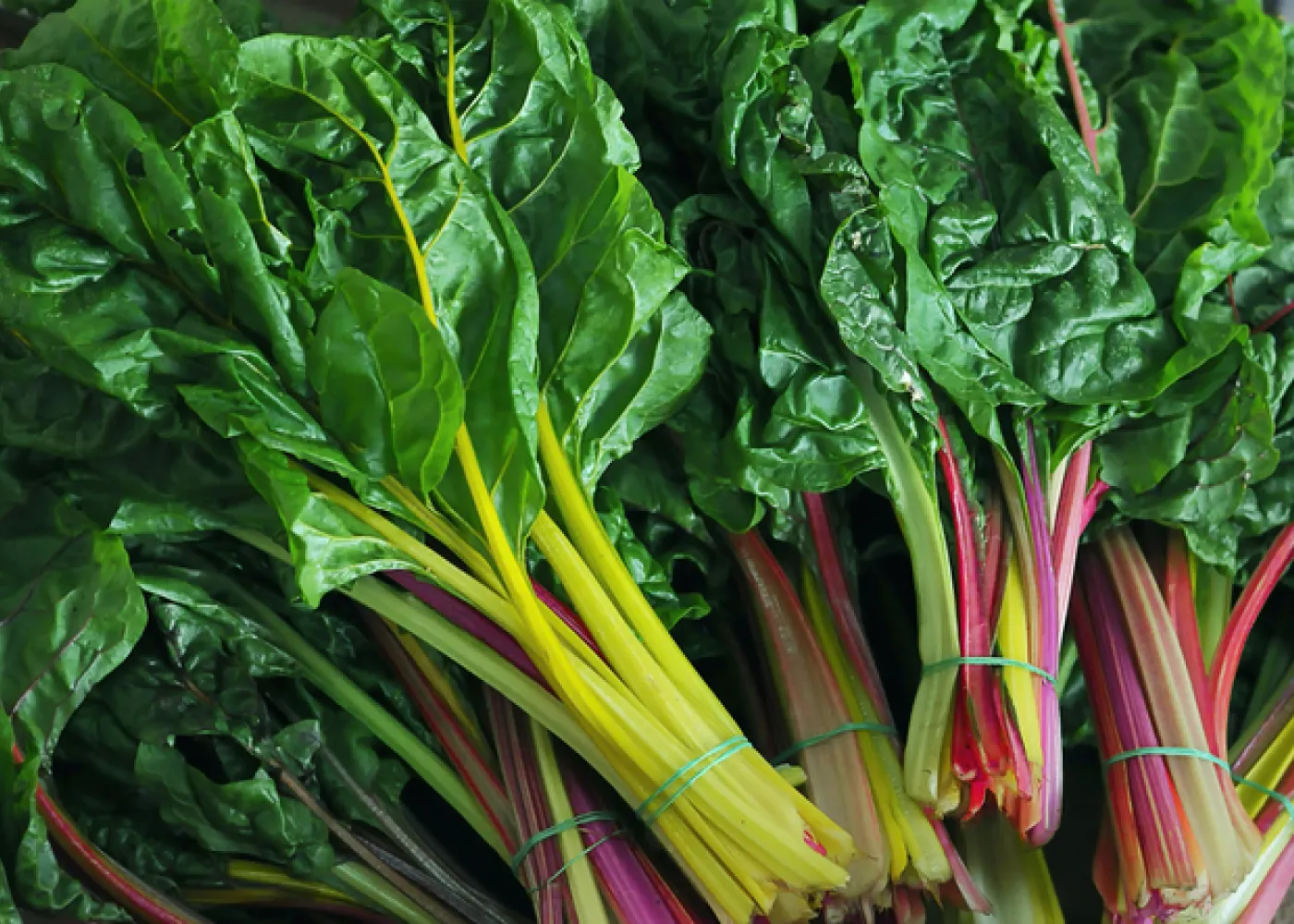
Key relevance of swiss chard. Growing Swiss chards in a home garden is not too difficult. It grows best in soil that drains well, receives lots of sunlight, and is regularly watered. By removing the outer leaves while letting the interior leaves continue to grow, Swiss chard can be harvested continually. This resilient crop is appropriate for a range of climates because it can withstand mild frosts. Swiss chard is a nutrient-rich leafy green with several health advantages, including heart and bone health support and blood sugar regulation. It is a useful complement to any diet due to its versatility in the cooking. Swiss chards are a tasty and nourishing way to improve your meals and improve your health, whether you like them sautéed, in salads, or added to soups.
KEY RELEVANCE OF SWISS CHARD
As a nutrient-dense “superfood” with numerous health benefits, such as promoting heart, bone, and eye health and assisting in the management of diseases like diabetes and high blood pressure, Swiss chard is very significant. Its value is further increased by its ease of growing and adaptability in the kitchen.
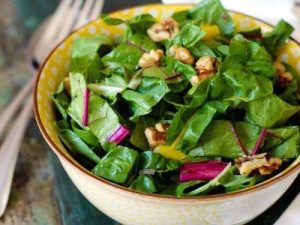
Nutritional Profile;
Key relevance of swiss chard
Swiss chard is low in calories yet packed with essential vitamins, minerals, and antioxidants. One cup of cooked Swiss chard provides:
– Calories: Approximately 35
– Vitamin K: Over 700% of the daily recommended intake
– A Vitamin: 214% of the daily recommended intake
– Vitamin C: 53% of the daily recommended intake
– Magnesium: 38% of the daily recommended intake
– Iron: 22% of the daily recommended intake
– Potassium: 27% of the daily recommended intake
It also contains significant amounts of vitamin E, manganese, copper, calcium, and dietary fiber.
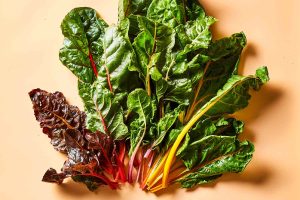
Health Benefits;
Key relevance of swiss chard
1. Bone Health:
• The high levels of vitamin K in Swiss chards play a crucial role in bone health by promoting calcium absorption and reducing calcium loss through urine, thereby helping to maintain bone density and strength.
2. Antioxidant Properties:
• Swiss chard is rich in antioxidants such as beta-carotene, lutein, zeaxanthin, and quercetin, which help protect cells from oxidative stress and inflammation. These antioxidants may lower the risk of chronic diseases, including heart disease and cancer.
3. Blood Sugar Regulation:
• The fiber and phytonutrients in Swiss chards can help regulate blood sugar levels by slowing the absorption of sugars into the bloodstream, making it a valuable food for those managing diabetes or insulin resistance.
4. Heart Health:
• Swiss chards contains magnesium and potassium, which are essential for maintaining healthy blood pressure levels. Additionally, its high fiber content helps reduce cholesterol levels, further supporting cardiovascular health.
5. Eye Health:
• The carotenoids lutein and zeaxanthin found in Swiss chards are beneficial for eye health. They help protect the eyes from damage caused by blue light and may reduce the risk of age-related macular degeneration and cataracts.
Culinary Uses;

Key relevance of swiss chard
Swiss chards are versatile in the kitchen and can be used in a variety of dishes:
– Sautéed: Quickly sauté Swiss chard with garlic and olive oil for a simple and nutritious side dish.
– Salads: Use the tender leaves in salads, either raw or lightly blanched.
– Soups and Stews: Add chopped Swiss chards to soups, stews, and curries for added nutrition and flavor.
– Smoothies: Blend Swiss chards into smoothies for a green nutrient boost.
– Pasta and Grain Dishes: Incorporate Swiss chards into pasta, rice, or quinoa dishes for added texture and color.
Summary
The vivid stalks and nutrient-rich leaves of Swiss chard make it a lush green vegetable. Swiss chard, which is frequently eclipsed by spinach and kale, merits recognition for its remarkable health advantages and culinary adaptability. This is a thorough examination of this undervalued superfood.
Multiple System Atrophy

Key Relevance of Monounsaturated Fats

Best Proteinous Fruits

A Step-by-Step Guide to Deleting Reels on Instagram

How to Create a WhatsApp Group