Sleep
Relevance of Napping



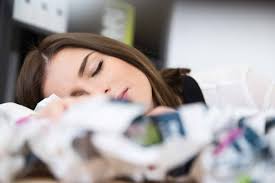
Relecance of napping. Even while healthy individuals don’t need to nap, many discover that it has advantages. Napping has several advantages, including boosting your mood and energy level, helping you feel rejuvenated to tackle the challenges of the day, and preparing you for situations where you might not get enough sleep, such as working or studying late into the night.
RELEVANCE OF NAPPING
If you need a longer nap and have the time, a 60- to 90-minute nap will put you in the lighter stages of sleep, which will make you feel alert when you wake up, but it will also allow you to enjoy deep, slow-wave sleep. Around 45-minute naps can be problematic since you will probably wake up during the deepest stage of sleep, slow-wave sleep, which can cause you to wake up feeling foggy. This phenomenon is known as sleep inertia.
Benefits of napping;
1. Attitude adjustment:

You’ll be in a better mood and less impulsive after a nap, which will help you manage your frustration. A nap puts an end to the grumpiness.
2. Increased alertness:
If you can keep yourself from nodding off or zoning out, it will be easier to pay attention during your staff meeting or while operating your forklift.
3. A creative mindset:
RELEVANCE OF NAPPING
Sleep is essential for creativity and learning new skills because it allows your brain to eventually process all of the information you’ve crammed into it. The good news is that, in terms of inspiration, a long nap can be comparable to a night’s sleep.
4. Cash saver:
You undoubtedly already know that energy drinks and excessive coffee are bad for you and your brain, but have you done the math on how much money you could save substituting free naps for pricey trips to the cafe?
5. Improved memory:

RELEVANCE OF NAPPING
You lose data when your computer crashes. However, spending some time curled up on the couch does really improve your memory. Recalling information from earlier in the day can be facilitated by taking a nap.
How to nap smart;
RELEVANCE OF NAPPING
When: its best in the mid-afternoon, around 3pm avoid napping too late in the day to avoid disrupting your nighttime rhythm by saying up late at night.
Where: Look for a cool, peaceful area to rest. If you don’t want your supervisor to see you nodding off during a break, you could nap in your car.
( Having said that, a lot of businesses are beginning to realize this and are allowing thier staff to take a nap.)
How Long :
Avoid waking up in the middle of deep slumber or you’ll wake up even more disoriented than when you went to bed. limit the length of your 20minute nap to no more than 30minutes
Plan your nap now;

RELEVANCE OF NAPPING
want to make the most our of your afternoon? make advance plans for your nap, and it will go much more smoothly.
want to make the most out of your afternoon?
- Pick a time today, or later this week when you could use a recharge.
- Now, determine where you’ll nap: in your car, at your desk or a comfy spot at home.
- Finally, put it on your calendar.
Summary
The benefits of naps vary depending on how long they last, but they are important because they can increase mood, memory, and attentiveness. While lengthier naps have been connected to adverse health outcomes and can cause grogginess, shorter naps (less than 30 minutes) are advantageous.
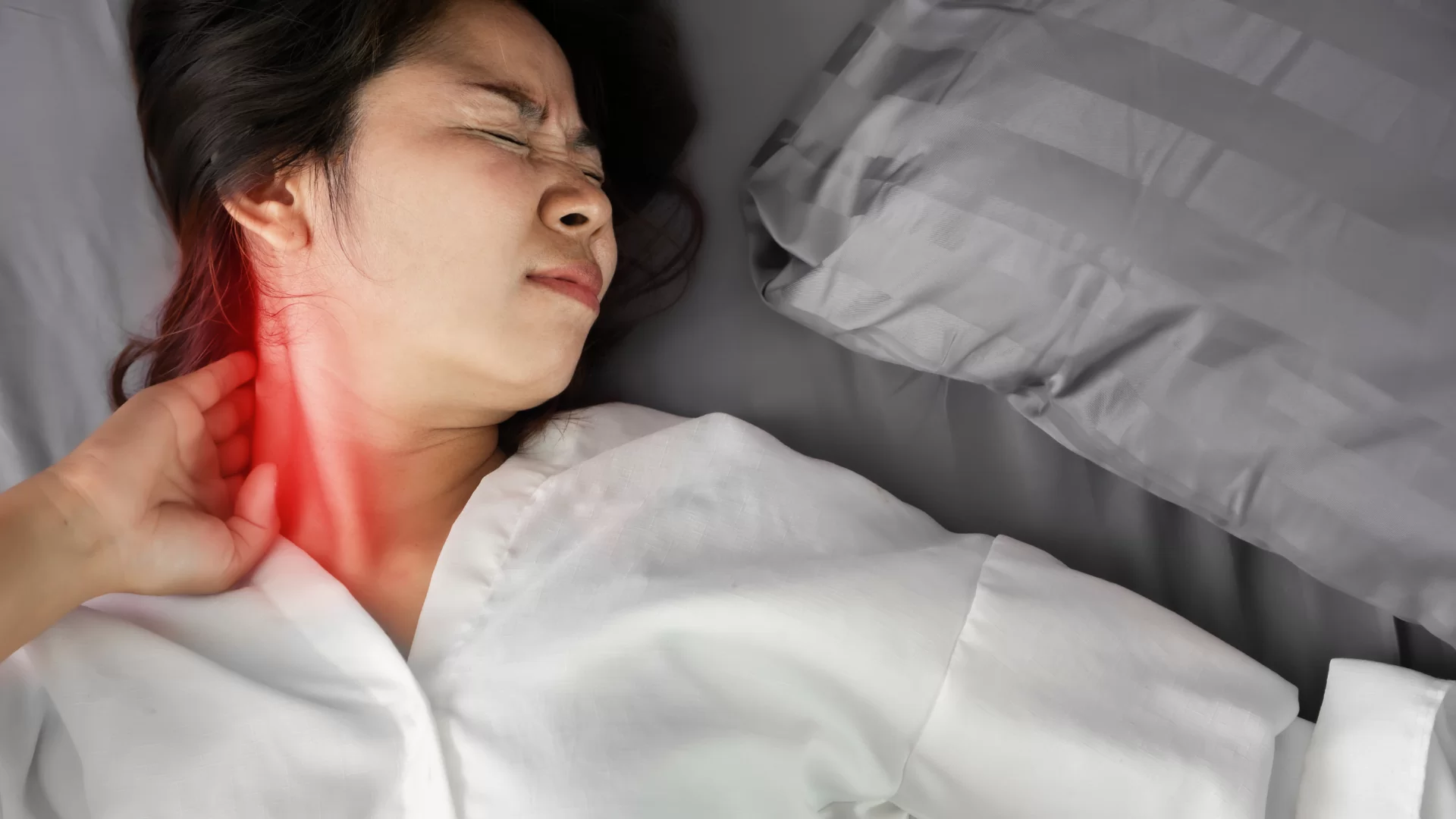

Sleep and neck pains. Poor sleeping positions (particularly stomach sleeping), unsupportive pillows or mattresses, bad posture during the day (such as slouching at computers), stress, dehydration, and underlying conditions (such as arthritis or pinched nerves) all strain neck muscles, causing stiffness and pain. However, proper alignment (back/side sleeping), supportive pillows, gentle stretches, and occasionally heat/cold therapy can provide relief and prevention. Waking up with neck pain is a common issue that many people experience. This discomfort often stems from poor sleep posture or an unsupportive pillow, which can strain the muscles and joints in the neck.
SLEEP AND NECK PAINS
Cervicalgia, also known as neck pain, is frequently caused by bad posture, strain, or uncomfortable sleep. It can also result from arthritis, herniated discs, injuries (such as whiplash), or infections. It usually gets better with at-home treatments like gentle movement, hot or cold packs, and over-the-counter medications, but it needs to be treated by a doctor if it is severe, occurs after trauma, or results in numbness or weakness.
Causes;

Neck pain from sleep can arise from several factors:
– Sleep Position: Sleeping on your stomach can place unnecessary strain on the neck. Side and back sleepers may also experience pain if their head is positioned awkwardly.
– Pillow Quality: An unsupportive pillow or one that is too high or low can cause misalignment of the neck and spine.
– Mattress Firmness: A mattress that is too firm or too soft can affect spinal alignment and lead to neck pain.
– Muscle Strain: Inadequate support or an awkward sleeping position can cause muscle strain, resulting in stiffness and discomfort upon waking.
Prevention;

To prevent neck pain from sleep, consider the following tips:
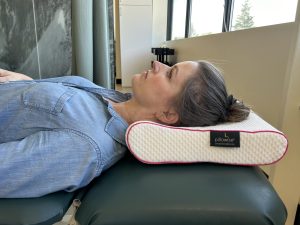
– Choose the Right Pillow: Opt for a pillow that supports the natural curve of your neck. Memory foam or adjustable pillows can offer better support.
– Maintain Proper Sleep Posture: Sleeping on your back or side with proper alignment can help. Avoid sleeping on your stomach.
1 Use a Supportive Mattress: Ensure your mattress provides adequate support for spinal alignment.
– Adjust Sleep Environment: Make sure your pillow and mattress are neither too high nor too low, and maintain a comfortable sleeping temperature.
Relief;
Sleep and neck pains
If you wake up with neck pain, several remedies can help alleviate discomfort:
– Gentle Stretching:
Perform gentle neck stretches and exercises to relieve tension and improve flexibility.
– Heat or Cold Therapy:

Sleep and neck pains
Apply a warm compress or ice pack to the affected area to reduce pain and inflammation.
– Over-the-Counter Pain Relief:
Non-prescription pain relievers like ibuprofen or acetaminophen can help manage pain.
– Professional Help:

Sleep and neck pains
If the pain persists, consider consulting a healthcare professional for a tailored treatment plan.
Neck pain from sleep is often manageable with simple adjustments to your sleeping habits and environment. Paying attention to your pillow, mattress, and sleep posture can significantly reduce discomfort and improve your overall sleep quality.
Summary
The brain and body repair, consolidate memories, regulate hormones, and support immune function during cycles of non-REM (light to deep) and REM sleep. Most adults require 7-9 hours of sleep per night for optimal well-being, mood, and cognitive performance. Sleep is an essential, natural state of rest that is necessary for both physical and mental health.
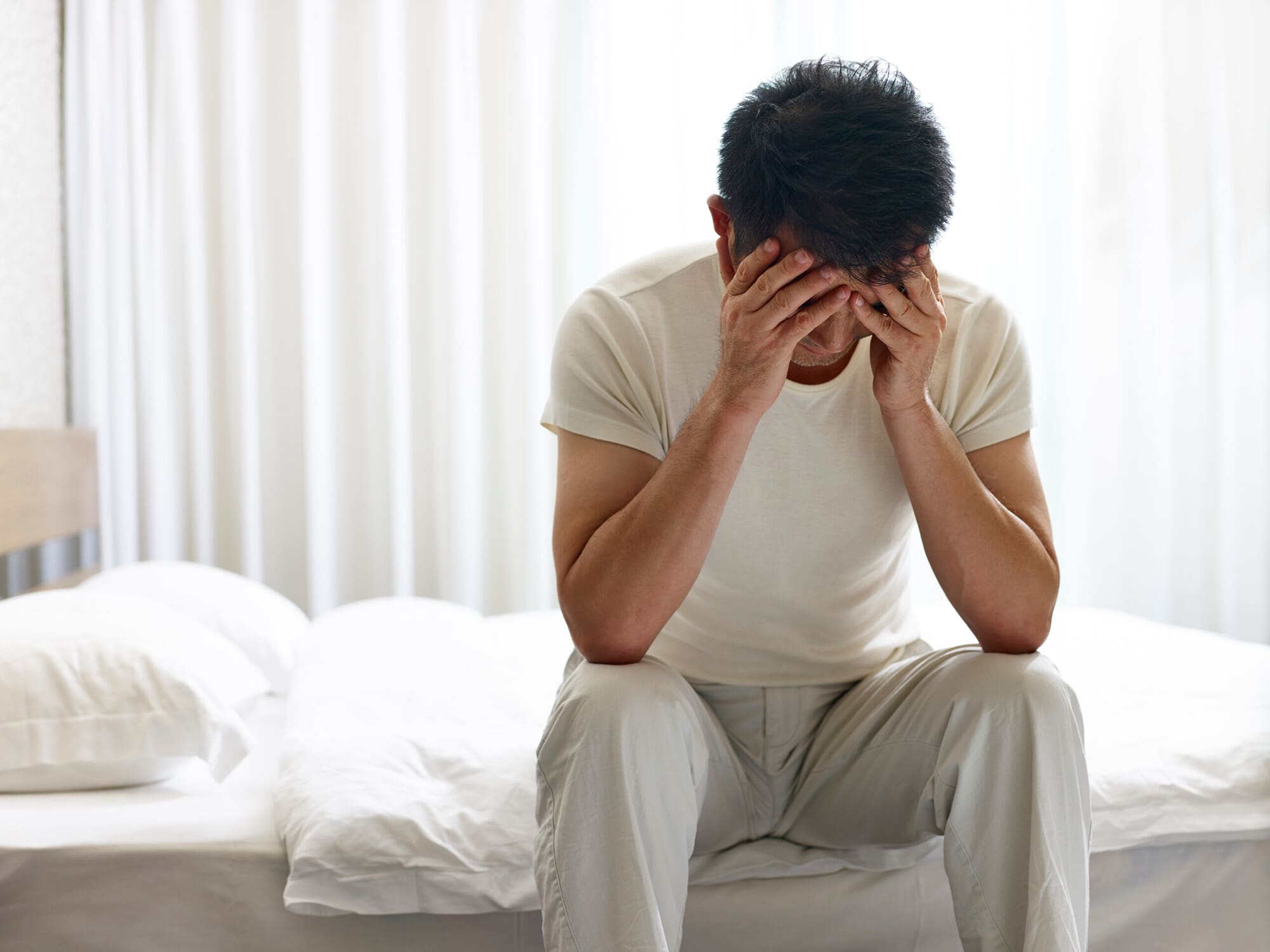
Sleep disorders. Conditions known as sleep disorders interfere with regular sleep cycles, changing the quantity, quality, and timing of sleep as well as causing discomfort during the day. Sleep apnea (breathing continually stops and begins), hypersomnia (extreme daytime sleepiness), and insomnia (difficulty falling/staying asleep) are common forms. Other instances include parasomnias, which are aberrant activities like sleepwalking or night terrors, and circadian rhythm disorders, which interfere with the internal sleep-wake cycle.
SLEEP DISORDERS
There are many detrimental implications of sleep disorders, including short-term problems like exhaustion, irritation, and difficulty concentrating, as well as long-term health repercussions like an elevated risk of obesity, diabetes, and heart disease. They can also have a detrimental effect on mental health, raising the risk of anxiety and depression, and increase safety hazards from falls and accidents.
1. Lack of sleep;

Those who suffer from insomnia frequently feel sleepy and struggle to fall or remain asleep. Based on the most frequent problems, the American Academy of Sleep Medicine estimates that between 33 and 50 percent of adults experience some kind of insomnia. Stress frequently causes an increase in insomnia, but if symptoms persist for three months or more, they may becoming chronic. The issue can be made worse by bad sleeping habits, changes in the surroundings, drugs, and co-occurring medical disorders like asthma or sleep apnea. For insomnia, cognitive behavioral therapy is the most effective treatment. It involves coaching a patient on their particular sleep barriers and cycles. Additional drugs may also be prescribed by providers.
2. Snoring and apnea;
Although annoying, snoring can also be harmful. Sleep apnea affects more than 20 million people in the US. Oxygen levels and sleep quality are impacted by the breathing and choking interruptions that occur frequently—at least five times each hour. It is associated with hypertension, heart disease, and stroke in the absence of treatment. Airflow is facilitated by continuous positive airway pressure therapy, or CPAP, the gold standard of care. In order to prevent airway collapse, alternative methods involve moving the tongue and lower jaw forward using a mandibular advancement device and nerve stimulator. Surgery to remove extra tissue from the throat and nose that obstructs breathing may also be beneficial for patients.
3. Circadian rhythm disorders;
sleep disorders
“Lark” and “night owl” tendencies are innate; they result from sleep-wake phase problems that either create an advanced riser (early riser) or a delayed sleeper (late sleeper). Both have internal clocks, or circadian rhythms, that are distinct from the external cycle of day and night.
4. Movement disorders;
sleep disorders
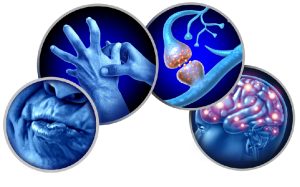
Sitting motionless at night seems nearly impossible for those who suffer from restless leg syndrome in their legs and feet. These unpleasant or painful cravings can be brought on by certain medical conditions and drugs, such as kidney disease, iron deficiency, neuropathy, pregnancy, anxiety, and antidepressants. These cravings affect 7% to 10% of the population.
Summary
While the body and brain are less active during sleep, they are still engaged in critical processes including tissue repair, memory consolidation, and hormone regulation. Sleep is a natural and necessary state of rest. Getting enough good sleep is essential for both mental and physical health, as it affects mood, focus, and the immune system.
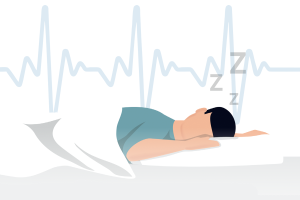
Sleep and health. A person’s physical health determines whether or not they get enough restorative sleep. Physical or mental illnesses can cause a person to suffer from sleep deprivation. Similarly, medications and supplements taken for medical issues may have a negative impact on the duration and quality of a person’s sleep. Sleep deprivation is frequently caused by insufficient sleep, but it can also result from low quality sleep. Even eight hours a night can make someone feel sleep deprived if their sleep is poor.
SLEEP AND HEALTH
Even if a person wakes up throughout the night and doesn’t remember it, it usually leads to poor quality sleep. Multiple nighttime awakenings and poor sleep quality can result from sleep disorders such as periodic limb movement disorder and obstructive sleep apnea. The menstrual cycle, pregnancy, and the menopause can all cause hormonal changes that might disrupt a person’s ability to sleep well.
The Effects of Sleep Deprivation;
A condition known as sleep deprivation is defined by a prolonged duration of inadequate or insufficient sleep. It happens when a person routinely doesn’t get enough sleep. Sleep is a fundamental physiological activity that enables the body and brain to rest, heal, and carry out critical tasks like immune system maintenance, memory consolidation, emotional control, and general health maintenance. Lack of sleep can affect daily functioning and have detrimental effects on both short-term and long-term health.
Getting too little sleep can negatively affect one’s physical health because getting enough sleep is necessary for several body processes.
Lack of sleep over time can have a number of detrimental effects on one’s physical well-being. People who don’t get enough sleep are more likely to experience the following problems:
- Injury from car crashes and work accidents
- Heart attack and stroke
- High blood pressure
- Type 2 diabetes
- Reduced immunity and risk of infection
- Cancer
- Early death
Are You Getting Enough Sleep?
Adults need to sleep for at least seven hours every night. A person’s physical and mental health seem to be impaired when they don’t get enough sleep, and they frequently feel exhausted during the day. Lack of sleep can cause symptoms such as:
- Feeling extremely tired during the day
- Mood changes, including increased stress, anxiety, or irritability
- Impaired thinking, memory, and judgment
- Reduced attention span
Summary
A person’s social and professional life may occasionally be impacted by sleep deprivation. Fatigue may cause them to cut back on enjoyable activities or realize they are behind on their responsibilities at home or at work. If someone is able to obtain adequate sleep again, they can discover that they have more energy to devote to their career, hobbies, and home life.
.

Cold Weather Coping Mechanisms

How to Quit Smoking

Life Stages

A Step-by-Step Guide to Deleting Reels on Instagram

How to Create a WhatsApp Group