Health
Remedies for breast cancer

Remedies for breast cancer. Alongside these medication interventions, lifestyle changes including eating a balanced diet, exercising frequently, and abstaining from alcohol and tobacco are also important. Additionally, stress management can help with both general wellbeing and breast cancer treatment. People who have been diagnosed with breast cancer should collaborate closely with their medical team. to create a thorough treatment strategy that takes into account their particular requirements and objectives.
REMEDIES FOR BREAST CANCER
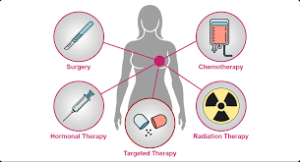
Breast cancer is a disease in which the breast’s cells proliferate uncontrollably, creating tumors that may spread and become invasive. Although it can happen to younger women and men, it mainly affects women over 50. A new lump, breast thickening, skin dimpling, or nipple discharge are important indicators. Treatment options include radiation, chemotherapy, hormone therapy, and surgery, all of which have a high success rate.
1. Surgery:
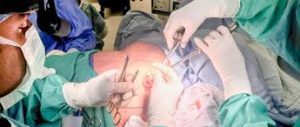

Surgery is often the first line of treatment for breasts cancer. The type of surgery depends on the size and location of the tumor, as well as other factors. Common surgical options include lumpectomy (removal of the tumor and a small margin of surrounding tissue) and mastectomy (removal of the entire breast). In some cases, lymph nodes may also be removed to determine if cancer has spread.
2. Chemotherapy:
Chemotherapy involves the use of powerful drugs to destroy cancer cells or shrink tumors. It may be used before surgery (neoadjuvant chemotherapy) to reduce the size of the tumor, after surgery (adjuvant chemotherapy) to kill any remaining cancer cells, or as the primary treatment for advanced or metastatic breasts cancer.
3. Radiation Therapy:

Remedies for breast cancer
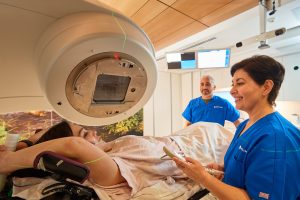
Radiation therapy uses high-energy beams to kill cancer cells or prevent them from growing. It is often used after surgery to destroy any remaining cancer cells in the breast, chest wall, or lymph nodes. Radiation therapy may also be used to relieve symptoms in cases of advanced breast cancer.
4. Hormone Therapy:
Hormone therapy, also known as endocrine therapy, targets hormone receptors on cancer cells that rely on estrogen and/or progesterone to grow. Hormone therapy may include medications such as tamoxifen, aromatase inhibitors, or ovarian suppression therapy to block the effects of estrogen or reduce its production.
5. Targeted Therapy:

Remedies for breast cancer
Targeted therapy drugs specifically target cancer cells while sparing healthy cells. Examples of targeted therapy drugs used in breast cancer treatment include trastuzumab (Herceptin) and pertuzumab (Perjeta), which target HER2-positive breasts cancer, and CDK4/6 inhibitors such as palbociclib, ribociclib, and abemaciclib, which target certain proteins involved in cell growth.
6. Immunotherapy:
Also, immunotherapy works by stimulating the body’s immune system to recognize and attack cancer cells. While not yet widely used in breast cancer treatment, immunotherapy drugs such as pembrolizumab and atezolizumab may be used in certain cases, particularly in metastatic breasts cancer that is triple-negative.
7. Clinical Trials:


Remedies for breast cancer
Clinical trials offer access to new and experimental treatments for breast cancer. Participation in clinical trials helps advance medical knowledge and may provide patients with access to promising therapies not yet available to the general public.
Summary
A variety of medical interventions that are particular to the kind and stage of the cancer are usually used to treat breast cancer. Medical professionals stress that clinical therapies are the main means of targeting and eradicating cancer cells, despite the fact that “remedies” frequently refer to home remedies.