Nose health
Rhinophyma

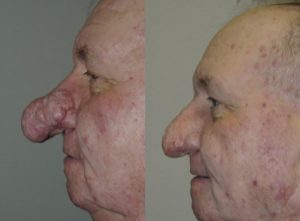
RHINOPHYMA
Rhinophyma. The skin condition known as rhinophyma results in an enlarged nose. Broken blood vessels and lumpy, thicker skin are some more signs. Males are far more likely than females to have the illness, which often manifests between the ages of 50 and 70. Although the exact origin is unknown, researchers are aware that acne rosacea, which is characterized by inflammatory pimple outbreaks, is the precursor.
RHINOPHYMA
The skin covering the nose gets bigger and the tip of the nose enlarges when acne rosacea develops into rhinophyma. A diagnosis is based on this distinctive appearance. Medication is used in the early phases of treatment, whereas surgery is used in the later stages. This is due to the possibility of airway obstruction from impacted tissue.
Symptoms
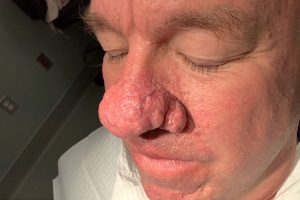
The first symptom of rosacea is frequently excessive facial flushing. If rhinophyma develops, a person could have:
thicker skin on the face, including the nose
enlargement of the nose tip
increased pores and a rough texture in some facial regions
greasy skin
At this stage, the illness could block the airways. Additionally, because the sebaceous gland fluid thickens and can harbor bacteria, persistent infections frequently ensue.
Progressive deformity may be the outcome of changes in connective tissue and an increase in sebaceous glands over time.
Treatment
Treatments without surgery
Results from a reliable source indicate that some drugs are beneficial. Topical metronidazole, a medication that lowers skin irritation by preventing the production of reactive oxygen species, is one choice.
Isotretinoin, a medication that reduces the size of the sebaceous glands and thus the amount of oil they produce, is an additional choice. However, a person must stop using this medicine if they want surgery.
Surgery
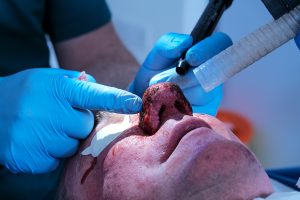
this is necessary to remove the damaged tissue from advanced rhinophyma. The following five-step, safe surgical method for rhinophyma is described in a study:
Dermabrasion: To make the next procedures easier, the skin is resurfaced using a motorized instrument.
Dermaplaning is the process of eliminating afflicted tissue without making any cuts to it. The skin’s surface is prepped for the third stage by dermaplaning.
Debulking: The thicker skin is sliced away by the surgeon using curved scissors. Additionally, they collect samples from any potentially cancerous regions and submit them to a laboratory for examination.
Electrocautery: This method destroys the damaged tissue by applying heat.
Using a laser: This last stage micro-contours and closes the wound.
Causes
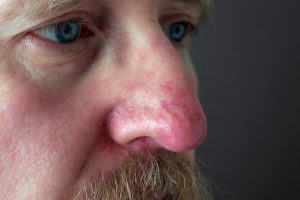
Researchers are still unsure of the precise process by which rhinophyma develops. It appears to be a combination of issues with the normal functioning of the body’s immune system and blood vessels and neurons.
Summary
When rhinophyma is still in its early stages, a person may flush excessively. Swollen blood vessels and acne-like blemishes follow as the problem worsens. Later on, the nose tip enlarges as the nasal skin expands. Doctors diagnose rhinophyma at this point. Although it may obstruct airways and raise the risk of skin cancer, it is initially benign. Although medication and surgery can be helpful, there is some evidence that the problem may return following surgery.


Decongestants and nasal congestions. Selecting the appropriate decongestant can have a big impact on controlling nasal congestion and enhancing comfort. Nasal saline sprays, oxymetazoline (Afrin), phenylephrine (Neo-Synephrine), and pseudoephedrine (Sudafed) all provide distinct advantages suited to various requirements and tastes. Always adhere to the directions included with each product, and get medical advice if your symptoms worsen or if you have any underlying medical issues that could influence the decongestant you choose.
DECONGESTANTS AND NASAL CONGESTIONS
By constricting blood vessels in the nasal passages, decongestants ease nasal congestion by reducing swelling and opening airways to facilitate breathing. They are used to temporarily relieve stuffiness brought on by sinusitis, allergies, or colds. Nasal sprays are useful for short-term relief, but it’s important to avoid “rebound congestion” by using them for no more than three days.
1. Pseudoephedrine;

Overview: Pseudoephedrine, commonly sold under the brand name Sudafed, is an oral decongestant that shrinks the blood vessels in the nasal passages, reducing swelling and congestion.
Uses: Effective for relieving nasal congestion caused by colds, allergies, and sinus infections.
Benefits:
– Provides long-lasting relief (up to 12 hours).
– Non-drowsy formula, suitable for daytime use.
– Available in various strengths and formulations, including extended-release tablets.
Application: Follow the dosage instructions on the label or as directed by a healthcare professional. Typically, adults take one tablet every 12 hours, not exceeding two tablets in 24 hours.
2. Oxymetazoline;

Overview: Oxymetazoline, sold under the brand name Afrin, is a topical nasal spray that quickly reduces nasal congestion by constricting the blood vessels in the nasal tissues.
Uses: Ideal for temporary relief of nasal congestion due to colds, sinusitis, or allergies.
Benefits:
– Provides rapid relief within minutes.
– Lasts up to 12 hours per dose.
– Convenient spray form allows for targeted application.
Application: Spray two to three times into each nostril twice daily, but do not use for more than three consecutive days to avoid rebound congestion.
3. Phenylephrine;

DECONGESTANTS AND NASAL CONGESTIONS
Overview: Phenylephrine, available as both oral tablets and nasal sprays like Neo-Synephrine, is a decongestants that reduces swelling in the nasal passages.
Uses: Effective for relieving nasal congestion caused by colds, allergies, or sinus infections.
Benefits:
– Provides quick, temporary relief.
– Available in multiple forms (tablets, sprays, and drops).
– Suitable for short-term use.
Application: For nasal sprays, use two to three sprays in each nostril not more than every four hours. For oral tablets, follow the dosage instructions on the package or as directed by a healthcare professional.
4. Nasal Saline Spray;

DECONGESTANTS AND NASAL CONGESTIONS
Overview: Nasal saline sprays are a natural decongestant option that involves a saline (saltwater) solution to help clear nasal passages. While not a traditional medicated decongestant, saline sprays like those sold under the brand name Simply Saline can help moisturize and relieve nasal congestion.
Uses: Suitable for relieving nasal congestion and dryness caused by colds, allergies, or sinusitis.
Benefits:

DECONGESTANTS AND NASAL CONGESTIONS
– Safe for all ages, including infants and pregnant women.
– Can be used as often as needed without risk of rebound congestion.
– Helps wash away allergens, irritants, and mucus.
Application: Spray directly into each nostril as needed throughout the day. There are no usage limits, making it safe for frequent use.
Summary
A common symptom of colds, allergies, or sinus infections is nasal congestion, which can make breathing and sleeping uncomfortable. By decreasing nasal tract edema and improving airflow, decongestants can offer immediate relief. Above are decongestants will make it easier for you to breathe.

 Relief for nasal congestion. Home remedies for nasal congestion include using warm compresses, steam inhalation, and drinking lots of water to keep mucus draining and thin. For allergy-related congestion, over-the-counter remedies include saline nasal sprays, decongestants, and antihistamines; however, decongestants should be used carefully to prevent rebound congestion and elevated blood pressure. A doctor may prescribe nasal sprays, medicines for bacterial infections, or corrective surgery as extra therapies for chronic problems
RELIEF FOR NASAL CONGESTION
Excess fluid causes the nasal tissues and blood vessels to swell, resulting in nasal congestion, also referred to as a stuffy nose. Breathing, sleeping, and everyday activities can all be hampered by this painful condition. Effective management of nasal congestion can be achieved by being aware of its causes, symptoms, and alleviation techniques.
Causes of Nasal Congestion
Nasal congestion can be caused by a variety of factors, including:
1. Infections:
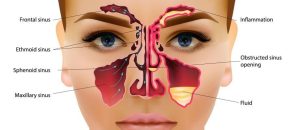
Viral infections such as the common cold, influenza, and sinus infections are frequent culprits. Bacterial infections can also lead to congestion.
2. Allergies:
Allergic reactions to pollen, dust mites, pet dander, and other allergens can cause nasal passages to swell and produce excess mucus.
3. Environmental Irritants:
Exposure to smoke, pollution, strong odors, or chemicals can irritate the nasal lining and lead to congestion.
4. Structural Issues:
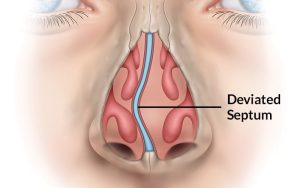
Deviated septum, nasal polyps, and enlarged adenoids can block nasal passages and cause chronic congestion.
5. Non-Allergic Rhinitis:
Changes in weather, certain foods, or hormonal changes (e.g., during pregnancy) can trigger nasal congestion without an allergic reaction.
Symptoms of Nasal Congestion;

In addition to a stuffy nose, nasal’s congestion may present with other symptoms, such as:
– Runny Nose: Excess mucus drainage, which can be clear or colored.
– Sinus Pressure: A feeling of pressure around the eyes, cheeks, and forehead.
– Postnasal Drip: Mucus dripping down the back of the throat, causing a sore throat or cough.
– Reduced Sense of Smell and Taste: Difficulty in detecting smells and tasting food.
– Headache: Pressure and pain in the head due to blocked sinuses.
Relief Methods for Nasal Congestion;
Managing nasal’s congestion involves alleviating symptoms and addressing the underlying cause. Common relief methods include:
1. Medications:

Relief for nasal congestion
– Decongestants:
Over-the-counter (OTC) nasal sprays or oral decongestants can reduce swelling in nasal passages (e.g., pseudoephedrine, oxymetazoline).
– Antihistamines:
OTC antihistamines can relieve congestion caused by allergies (e.g., loratadine, cetirizine).
– Nasal Corticosteroids:

Relief for nasal congestion
Prescription nasal sprays can reduce inflammation in chronic conditions (e.g., fluticasone, mometasone).
2. Home Remedies:

Relief for nasal congestion
– Steam Inhalation: Inhaling steam from hot water can help moisten and clear nasal passages.
– Saline Nasal Spray: Saline sprays or rinses can help clear mucus and hydrate nasal tissues.
– Hydration: Drinking plenty of fluids helps thin mucus, making it easier to expel.
– Humidifiers: Using a humidifier adds moisture to the air, which can soothe irritated nasal passages.
3. Lifestyle Adjustments:
– Avoiding Irritants: Reducing exposure to smoke, allergens, and strong odors.
– Elevating the Head: Sleeping with the head elevated can help reduce congestion.
When to Seek Medical Attention;

Relief for nasal congestion
While nasal’s congestion is often a minor issue, medical attention is necessary if:
– The congestion lasts longer than 10 days.
• There is severe pain or swelling in the face or eyes.
– When there are symptoms of a severe infection, such as high fever, green or yellow nasal discharge, or a persistent headache.
– There is difficulty breathing or symptoms of sleep apnea.
Summary
There are several explanations for the common ailment known as nasal congestion. People can control their symptoms and seek the right medical attention as needed if they are aware of its causes and efficient symptom-relieving techniques.


Relief for runny nose, it can be caused by anything irritating the interior of the nose. Runny and stuffy noses are frequently caused by allergies and infections, including sinusitis, the flu, and colds. Some people’s noses run constantly for no apparent cause. This condition is known as vasomotor rhinitis or nonallergic rhinitis.
RELIEF FOR RUNNY NOSE
Rhinorrhea, the medical term for a runny nose, is a common condition caused by an excess of nasal mucus. Although this might be bothersome and interfere with everyday tasks, it can be effectively managed by being aware of its causes, symptoms, and ways to relieve it.
Causes of Runny Nose
A runny nose can be triggered by various factors, including:
1. Infections:

Viral infections such as the common cold, flu, and sinus infections are common causes. Bacterial infections can also lead to a runny nose.
2. Allergies:
Allergic reactions to pollen, dust mites, pet dander, and other allergens can cause the nasal passages to produce excess mucus.
Exposure to smoke, pollution, strong odors, or chemicals can irritate the nasal lining and lead to a runny nose.
4. Weather Changes:

Cold, dry air or sudden changes in weather can cause nasal congestion and a runny nose.
5. Non-Allergic Rhinitis:
This condition can be triggered by certain foods, medications, hormonal changes, or other factors that are not related to allergies or infections.
Symptoms Accompanying Runny Nose;

A runny nose can be accompanied by other symptoms, such as:
– Nasal Congestion: A feeling of stuffiness or blockage in the nose.
– Sneezing:
Frequent sneezing due to irritation in the nasal passages.
– Itchy or Watery Eyes:
Commonly associated with allergies.
– Sore Throat:
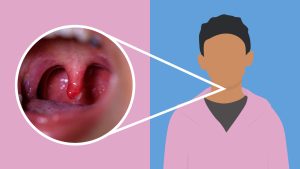
Caused by mucus draining down the back of the throat (postnasal drip).
– Cough:
Resulting from postnasal drip irritating the throat.
Relief Methods for Runny Nose;
Managing a it involves relieving symptoms and addressing the underlying cause. Common relief methods include:
1. Medications:
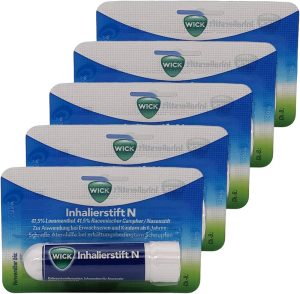
– Antihistamines: Over-the-counter (OTC) antihistamines like loratadine or cetirizine can help reduce symptoms caused by allergies.
– Decongestants: OTC nasal sprays or oral decongestants like pseudoephedrine can reduce nasal congestion.
– Nasal Corticosteroids: Prescription nasal sprays can reduce inflammation in chronic conditions (e.g., fluticasone, mometasone).
2. Home Remedies:
Relief for runny nose
– Saline Nasal Spray: Saline sprays or rinses can help clear mucus and soothe nasal tissues.
– Steam Inhalation: Inhaling steam from hot water can help moisten and clear nasal passages.
– Hydration: Drinking plenty of fluids helps thin mucus, making it easier to expel.
– Humidifiers: Using a humidifier adds moisture to the air, which can soothe irritated nasal passages.
3. Lifestyle Adjustments:

Relief for runny nose
– Avoiding Irritants: Reducing exposure to smoke, allergens, and strong odors.
– Using Tissues and Handkerchiefs: To manage mucus and maintain hygiene.
When to Seek Medical Attention;
Relief for runny nose
While it is is often a minor issue, medical attention is necessary if:
– The symptoms last longer than 10 days.
– It is accompanied with high fever or severe sinus pain.
– There are symptoms of a severe infection, such as green or yellow nasal discharge, or a persistent headache.
– There is difficulty breathing or symptoms worsen despite treatment.
Summary
There are several explanations for the common ailment known as a runny nose. People can control their symptoms and seek the right medical attention as needed if they are aware of its causes and efficient symptom-relieving techniques.

Cold Weather Coping Mechanisms

How to Quit Smoking

Life Stages

A Step-by-Step Guide to Deleting Reels on Instagram

How to Create a WhatsApp Group