Health
Risk Factors of Kidney Stones

Risk Factors of Kidney Stones. Hard, mineral-rich deposits called kidney stones can develop in the kidneys and lead to serious Risk Factors of Kidney Stones. Hard, mineral-rich deposits called kidney stones can develop in the kidneys and lead to serious discomfort and health problems. These stones range in size from a golf ball to a grain of sand. Kidney stone problems can be avoided with early diagnosis and effective treatment. Seeking medical help is crucial for successful treatment and alleviation if you have symptoms that could indicate kidney stones.
RISK FACTORS OF KIDNEY STONES
Dehydration (not drinking enough water), diets heavy in animal protein, sugar, and sodium, obesity, and a family or personal history of kidney stones are important risk factors. Risk is further increased by some digestive disorders, weight-loss procedures, and drugs (such as calcium-based antacids and diuretics).
Causes;


1. Dehydration: Insufficient fluid intake leads to concentrated urine, increasing the likelihood of stone formation.
2. Diet: High intake of salt, sugar, and foods rich in oxalates (such as spinach and nuts) can contribute to stone formation.
3. Genetic Factors: A family history of kidney stones can predispose individuals to develop them.
4. Medical Conditions: Conditions such as hyperparathyroidism, urinary tract infections, or certain metabolic disorders can increase stone risk.
5. Medications: Certain drugs, including diuretics and antacids containing calcium, can influence stone formation.
Symptoms;

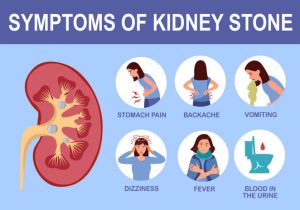
Risk Factors of Kidney Stones
– Severe pain in the back or side, often radiating to the lower abdomen or groin
– Painful urination or blood in the urine
– Frequent need to urinate or feeling of urgency
– Nausea or vomiting
– Cloudy or foul-smelling urine
Treatment and Management;
1. Hydration: Increasing water intake helps to flush out smaller stones and prevent new ones from forming.
2. Medications: Pain relievers and medications to help dissolve or manage the stones may be prescribed.
3. Dietary Changes: Reducing intake of high-oxalate foods, salt, and animal protein can help prevent stone formation.
4. Medical Procedures: For larger stones that cannot pass on their own, procedures such as shock wave lithotripsy, ureteroscopy, or, in rare cases, surgery may be necessary.
5. Lifestyle Adjustments:


Risk Factors of Kidney Stones
Regular exercise and maintaining a healthy weight can contribute to overall kidney health.
Summary
When urine becomes too concentrated, kidney stones—hard, solid deposits of salt and minerals—form inside the kidneys. They can result in blood in the urine, nausea, vomiting, and excruciating, cramping pain in the side and back that extends to the groin.