Food
Separating White from Egg Yolks


Separating white from egg yolks. You can use an egg white separator, a slotted spoon, the eggshell halves, or your hands to separate the white from the yolk. The shell method is gently moving the yolk back and forth between the two halves of the shell over a bowl, whereas the hand approach entails cracking the egg and allowing the white drip between your fingers while catching the yolk. As an alternative, the white can be strained out using a slotted spoon or an egg white separation tool.
SEPARATING WHITE FROM EGG YOLKS
Eggs are a staple in countless recipes, from fluffy cakes to creamy custards, and mastering the art of separating egg whites from yolks is essential for achieving the perfect texture and consistency in your dishes. While it may seem daunting at first, with a few simple techniques, you can easily separate egg whites from yolks like a pro.
Here’s a step-by-step guide to help you get started
1. Start with Fresh Eggs

SEPARATING WHITE FROM EGG YOLKS
Fresh eggs are easier to separate than older ones because the whites are firmer and less likely to break. So, always opt for the freshest eggs available.
2. Gather Your Materials
You’ll need a few basic kitchen tools for this task, including a clean bowl for the whites, a separate bowl for the yolks, and your hands or a tool for transferring the yolks back and forth.
3. Crack the Egg

Carefully crack the egg on a flat surface, such as the countertop or the edge of a bowl, to avoid breaking the yolk. Hold the egg over the bowl with the cracked shell halves facing upward.
4. Transfer the Yolk
Gently transfer the yolk back and forth between the two halves of the shell, allowing the egg white to drip into the bowl below. Be careful not to break the yolk during this process.
5. Let Gravity Do the Work

SEPARATING WHITE FROM EGG YOLKS
Tilt the cracked egg slightly to allow the egg white to flow out while keeping the yolk intact. You can also use your fingers to gently separate any remaining egg white clinging to the yolk.
6. Repeat as Needed
If there’s still some egg white clinging to the yolk, transfer the yolk to the other half of the shell and continue the process until all the egg white has been separated.
7. Use an Egg Separator

SEPARATING WHITE FROM EGG YOLKS
If you’re not comfortable separating the eggs by hand, you can use an egg separator, a handy kitchen tool specifically designed for this purpose. Simply crack the egg into the separator, and it will catch the yolk while allowing the white to flow through into the bowl below.
8. Store Separated Whites and Yolks Properly
Once you’ve separated the egg whites and yolks, store them in separate airtight containers in the refrigerator. Egg whites can be kept for up to four days, while egg yolks should be used within one to two days.
9. Practice Makes Perfect

Like any culinary skill, mastering the art of separating egg whites from yolks takes practice. Don’t be discouraged if you don’t get it right the first time—keep practicing, and soon you’ll be separating eggs like a pro.
Summary
With these simple steps and a little practice, you’ll soon become a master at separating egg whites from yolks, opening up a world of culinary possibilities in your kitchen. So, roll up your sleeves, grab some eggs, and start cracking!




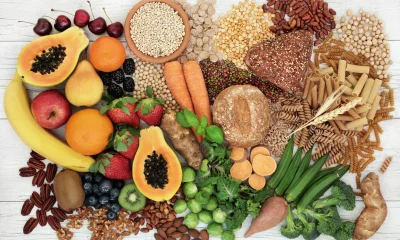
Dietary instructions. The term “diet” refers to the foods and beverages you regularly eat, but it also frequently refers to a particular eating plan for weight management or health, emphasizing nutrient-dense options like fruits, vegetables, whole grains, and lean proteins while limiting unhealthy fats, sugar, and salt for improved mood, energy, and disease prevention. Maintaining hydration, regulating portion sizes, balancing nutrients from all food categories, and making small adjustments like cooking more frequently at home are all essential elements of a healthy diet.
DIETARY INSTRUCTIONS
Eating the right number of calories for your activity level and balancing your energy intake and expenditure are crucial components of a balanced diet. You will gain weight if you eat more calories than your body needs since the extra energy is stored as fat. You will lose weight if you eat and drink too little. To guarantee that your diet is balanced and that your body gets all the nutrients it requires, you should also consume a variety of meals. Men should consume about 2,500 calories every day. Approximately 2,000 calories should be consumed daily by women.
Tips for Healthy Eating;
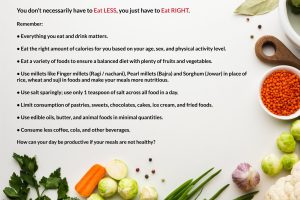
Dietary instructions
1. Base your meals on high-fiber, starchy carbohydrates. Starchy carbohydrates should account for slightly more than one-third of your diet. They include potatoes, bread, rice, pasta, and cereal. Choose high-fiber or wholegrain options such as whole wheat pasta, brown rice, or potatoes with the skins on.
2. Eat plenty of fruits and vegetables. It is advised that you consume at least 5 servings of a variety of fruits and vegetables each day. They may be fresh, frozen, canned, dried, or juiced.
3. Eat more fish, including some oily fish. Fish is a high-protein food that also contains numerous vitamins and minerals.

Dietary instructions
4. Reduce saturated fat and sugar. Saturated fat. You need fat in your diet, but you must be careful about how much and what sort of fat you consume.
5. Consume less salt: no more than 6 g per day for adults. Eating too much salt might cause high blood pressure. People with high blood pressure are more prone to develop heart disease or experience a stroke. 6. Become active and maintain a healthy weight. In addition to eating correctly, frequent exercise may help lower your risk of developing major health disorders. It is also beneficial to your general health and well-being. dietary-guidelines@fao.org
Summary
In order to promote health and prevent disease, dietary guidelines emphasize balancing food groups like fruits, vegetables, whole grains, proteins, and dairy while limiting fats, sugar, and salt. These guidelines are often visualized through food pyramids or plates and customized to individual needs and cultures. General recommendations include staying hydrated, controlling portion sizes, and choosing whole foods over processed ones.


Types of diets. A diet is the food and beverages you regularly eat. It can include anything from a balanced intake of fruits, vegetables, whole grains, and proteins for health (such as the WHO’s guidelines and NHS recommendations) to particular eating plans (such as Keto, Vegan, or Mediterranean) that are frequently adopted for weight loss or health goals. Popular options include Low-Carb, DASH, or Intermittent Fasting, though individualized advice from a dietitian is essential before beginning any new regimen.
TYPES OF DIETS
Diets, which include well-known varieties like Keto (low-carb, high-fat), Paleo (ancestral whole foods), Mediterranean (plant-based, healthy fats), Vegetarian/Vegan (plant-focused, no or all animal products), and structured plans like DASH (heart health) or Intermittent Fasting (eating windows), are eating patterns centered around weight loss, health, or ethics. They all have different goals, advantages, and possible drawbacks, ranging from sustainable, balanced strategies to constrictive ones.
Meaning of Diet;
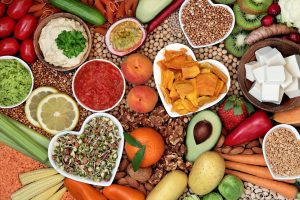
A diet is a collection of foods that are commonly consumed by a particular group of people or organisms. Human diets are shaped by nutritional requirements, the types of food available in a given place, and cultural values.
Types of diet to follow. When it comes to choosing a diet that may benefit you, there are numerous options available.
Diet Types;

Here’s a closer look at some of the various diets.
1. The Paleo Diet. This is a natural eating style that virtually eliminates sugar consumption. The only sugar in a Paleo diet comes from fruits. The Paleo diet consists of:
Fish
Fowl
Vegetables
Fruits
Nuts
Oils
Sweet potatoes

Types of diets
2. The Blood Type Diet. Some doctors have begun to explore diets that are compatible with specific blood types. These diets aim to match people’s common dietary needs based on their blood type.
3. The vegan diet. This diet is a type of vegetarian diet because it excludes meat and animal products. One of the key benefits of this diet is a lower intake of cholesterol.
4. The South Beach Diet. This diet was introduced in 2003, and it is based on the idea of improving one’s overall eating habits by balancing one’s daily meals.

Types of diets
5. The Diet of the Mediterranean This is another type of diet that is high in vegetables and steers clear of meat but leaves it in moderation. This diet not only helps with blood sugar control and weight loss but it has also been shown to aid with depression. Oil should be used wherever possible in place of butter, salad dressings, and marinades, according to the Mediterranean diet. Eating a balanced diet is very essential to one’s health. General Nutrition Information by NutritionED.org Contributor. permalink.
Summary
Plant-focused diets (Vegan, Vegetarian, Mediterranean, Flexitarian), low-carb/high-fat diets (Keto, Atkins, Paleo, Carnivore), medically focused diets (DASH for blood pressure, Gluten-Free for sensitivities, Low-FODMAP for gut health), and timed eating diets (Intermittent Fasting) are all available. The Mediterranean, DASH, and balanced diets are typically highly regarded by experts.

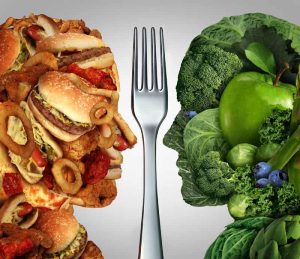
Impacts of unhealthy diets. A bad diet can have a significant impact on one’s physical and emotional well-being. It can lead to weight gain, nutrient deficiencies, chronic illnesses, and poor digestive and mental health.Maintaining long-term health and wellbeing requires making better food choices, such as consuming more fruits, vegetables, whole grains, and lean proteins while consuming fewer processed foods, sweets, and harmful fats. One of the most crucial things you can do to enhance your quality of life and lower your risk of illness is to prioritize eating a balanced diet.
IMPACTS OF UNHEALTHY DIETS
Unhealthy diets that are heavy in sugar, salt, unhealthy fats, and processed foods greatly raise the risk of developing chronic illnesses like heart disease, stroke, Type 2 diabetes, and some types of cancer. They also cause weight gain (obesity), exhaustion, weakened immunity, disturbed sleep, and detrimental effects on mental health (anxiety, depression). These eating patterns are major causes of disability and death worldwide because they raise blood pressure, blood sugar, and cholesterol.
Negative Impacts:
1. Increased Risk of Chronic Diseases;

A diet high in saturated fats, trans fats, and refined sugars can contribute to the development of chronic conditions such as heart disease, type
2 diabetes, and certain cancers. These foods can lead to elevated cholesterol levels, high blood pressure, and insulin resistance.
2. Obesity;

Consuming more calories than the body needs, particularly from high-calorie, low-nutrient foods, can lead to weight gain and obesity. Obesity is a major risk factor for numerous health problems, including cardiovascular disease, diabetes, and joint disorders.
3. Nutrient Deficiencies;

IMPACTS OF UNHEALTHY DIETS
An unhealthy diet often lacks essential nutrients such as vitamins, minerals, and fiber. For example, insufficient intake of fruits and vegetables can lead to deficiencies in vitamin C, potassium, and fiber, which are crucial for immune function, heart health, and digestive health.
4. Mental Health Issues;

IMPACTS OF UNHEALTHY DIETS
Diet plays a significant role in mental well-being. Diets high in processed foods and low in nutrient-rich foods have been linked to an increased risk of depression, anxiety, and other mental health disorders. Conversely, a balanced diet rich in nutrients supports brain function and emotional health.
5. Poor Digestive Health;
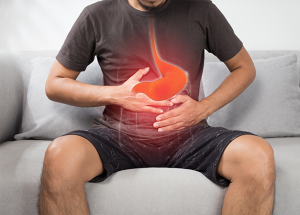
IMPACTS OF UNHEALTHY DIETS
An unhealthy diet, particularly one low in fiber, can lead to digestive issues such as constipation, bloating, and irritable bowel syndrome (IBS). Fiber is essential for healthy digestion and maintaining a healthy gut microbiome, which plays a critical role in overall health.
Summary
A diet that does not supply the vital nutrients required for the body to operate at its best is considered unhealthy. It usually consists of insufficient amounts of fruits, vegetables, whole grains, lean proteins, and processed foods together with high levels of added sugars, harmful fats, and salt. Consistently eating poorly can have a number of detrimental effects on one’s health over time.

AI and the Future

Essence of Time Management

Personal Finances

A Step-by-Step Guide to Deleting Reels on Instagram

How to Create a WhatsApp Group