Skin health
Skin cancer

Skin cancer is one of the most common types of cancer globally, with cases on the rise due to various factors including increased sun exposure, depletion of the ozone layer, and changing lifestyles. Skin cancer develops when skin cells undergo abnormal changes, usually triggered by exposure to ultraviolet (UV) radiation from the sun or artificial sources like tanning beds. While skin cancer is highly treatable when detected early, it can be life-threatening if left untreated. Understanding the types, risk factors, symptoms, and preventive measures associated with skin cancer is crucial for early detection and effective management.
Types of Skin Cancer:
1. Basal Cell Carcinoma (BCC): BCC is the most common type of skin cancer, typically appearing as a small, shiny bump or a red, scaly patch. It tends to grow slowly and rarely spreads to other parts of the body, but can cause disfigurement if left untreated.
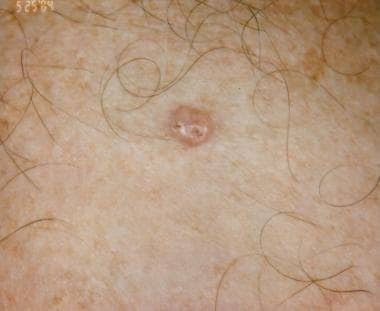

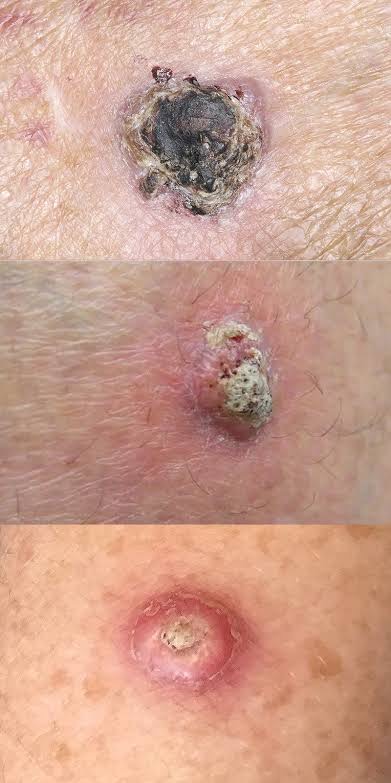
2. Squamous Cell Carcinoma (SCC): SCC often appears as a firm, red bump or a scaly patch, and may grow rapidly. While it usually remains localized, SCC can metastasize to other parts of the body if not treated promptly.

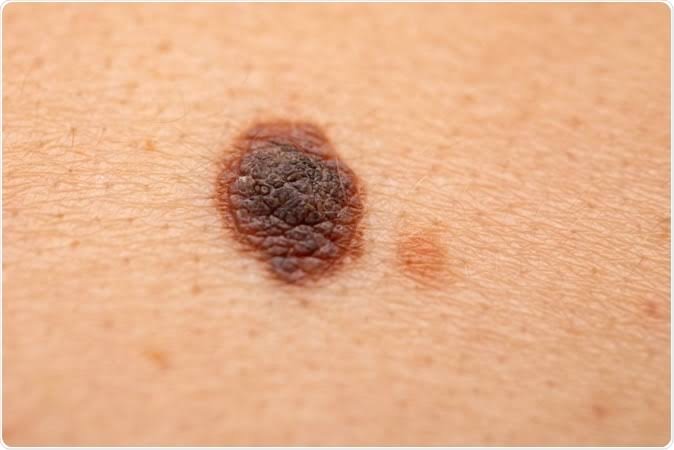
3. Melanoma: Melanoma is less common but more aggressive than BCC and SCC. It often develops from existing moles or as new pigmented growths on the skin. Melanoma can spread quickly to other organs if not detected early, making it the deadliest form of skin cancers.

Risk Factors for Skin Cancers:
1. UV Exposure: Prolonged exposure to UV radiation from the sun or tanning beds is the primary risk factor for skin cancer. Sunburns, particularly during childhood, increase the risk of developing skin cancers later in life.
2. Fair Skin: People with fair skin, light-colored eyes, and blond or red hair are at higher risk of developing skin cancers due to lower levels of melanin, the pigment that provides some protection against UV radiation.
3. Family History: A family history of skin cancer, particularly melanoma, increases the risk of developing the disease.
4. Moles: Having a large number of moles or atypical moles (dysplastic nevi) increases the risk of melanoma.
5. Immune Suppression: Conditions or medications that weaken the immune system, such as organ transplantation or immunosuppressive drugs, can increase the risk of skin cancers.
Pingback: Medical screenings for older people
Pingback: Elderly People Medical Checkup - SimplExplainer