Connect with us

Health

Sleeplessness/Insomnia: Causes and solutions.

Published

on

When a person has the opportunity to sleep but struggles to fall asleep, stay asleep, or experience non-restorative sleep, they are said to have sleeplessness, also referred to as insomnia.

Various medical conditions can contribute to sleeplessness, including anxiety disorders, depression, chronic pain, sleep apnea, and hormonal imbalances. It’s crucial to consult a healthcare professional if sleep disturbances persist to identify and address any underlying medical issues.

The followings could be the cause of sleeplessness/insomnia

1. Anxiety Disorders:
– Conditions like generalized anxiety disorder or panic disorder can lead to persistent worries and restlessness, making it difficult to fall asleep.


2. Depression:
– Depression often disrupts sleep patterns, causing insomnia or excessive sleeping, impacting overall sleep quality.


3. Chronic Pain:
– Conditions such as arthritis or fibromyalgia can cause discomfort, making it challenging to find a comfortable sleeping position.


4. Sleep Apnea:
– Sleep apnea is a condition where breathing repeatedly stops and starts during sleep, leading to frequent awakenings and disrupted sleep.


5. Hormonal Imbalances:
– Fluctuations in hormones, such as those associated with thyroid disorders or menopause, can contribute to sleep disturbances.


6. Restless Legs Syndrome (RLS):
– RLS is a neurological disorder characterized by uncomfortable sensations in the legs, often relieved by movement, which can disrupt sleep.


7. Gastroesophageal Reflux Disease (GERD):
– GERD can cause acid reflux, leading to discomfort when lying down and affecting sleep.


8. Chronic Medical Conditions:
– Conditions like diabetes or cardiovascular diseases can impact sleep due to pain, medications, or related symptoms.


9. Medications:
– Some medications may have side effects like insomnia, affecting sleep quality.


The solutions include:

1. Anxiety Disorders:
– Seek therapy or counseling to address underlying anxiety issues. Relaxation techniques, mindfulness, and stress management strategies can also be helpful.


2. Depression:
– Treatment for depression may include therapy, medication, or a combination. Establishing a regular sleep schedule and engaging in activities that promote well-being can be beneficial.


3. Chronic Pain:
– Consult with a healthcare professional for pain management strategies. This may involve medications, physical therapy, or alternative therapies. Creating a comfortable sleep environment with supportive pillows and mattresses is essential.


4. Sleep Apnea:
– Continuous Positive Airway Pressure (CPAP) therapy is a common treatment. Lifestyle changes, such as weight loss and positional therapy, can also be effective.


5. Hormonal Imbalances:
– Consult with a healthcare provider to address hormonal imbalances. Hormone replacement therapy or other medical interventions may be recommended.


6. Restless Legs Syndrome (RLS):
– Lifestyle changes, such as regular exercise, avoiding caffeine, and maintaining a consistent sleep schedule, can help manage RLS symptoms. Medications may be prescribed in severe cases.


7. Gastroesophageal Reflux Disease (GERD):
– Lifestyle modifications like elevating the head of the bed, avoiding large meals close to bedtime, and medications to reduce acid reflux can improve sleep in GERD patients.


8. Chronic Medical Conditions:
– Manage the underlying medical condition with the guidance of a healthcare professional. Adjust medications, lifestyle, and seek additional support if needed.


9. Medications:
– Discuss sleep-related side effects with your doctor. Adjusting the timing or type of medication may help. Never alter your medication regimen without professional advice.

Additionally, adopt good sleep hygiene practices such as maintaining a consistent sleep schedule, creating a comfortable sleep environment, limiting screen time before bed, and practicing relaxation techniques. If sleep problems persist, consult a healthcare professional for personalized guidance and intervention.

Continue Reading
7 Comments

7 Comments

  1. Pingback: The causes of Bedwetting and Effective Strategies to Stop It

  2. Pingback: Understanding the Power of Cognitive Behavioral Therapy (CBT) - SimplExplainer

  3. Pingback: Exploring the Soothing Powers of Chamomile - SimplExplainer

  4. Pingback: Menopause - SimplExplainer

  5. Pingback: Effective Powers of Chamomile - SimplExplainer

  6. Pingback: Menopausal Transition - SimplExplainer

  7. Pingback: How to Stop Bedwetting - SimplExplainer

Leave a Reply

Your email address will not be published. Required fields are marked *

Health

Causes of nasal swelling

Published

on

Causes of nasal swelling. Numerous infections, including sinusitis, can result in nasal edema. as well as viral infections like herpes simplex and bacterial skin infections like rhinitis. Determining the best course of action for management and therapy requires an understanding of the underlying cause of nasal edema. if you have severe or ongoing nasal swelling along with other worrisome symptoms. For appropriate diagnosis and treatment, it’s critical to get medical help as soon as possible for conditions like fever, excruciating pain, or breathing difficulties.

CAUSES OF NASAL SWELLING

A swollen nose, which is frequently accompanied by pain, soreness, and breathing difficulties, can be unsettling and frightening. Nasal edema is often caused by allergies and trauma, but it can also result from a number of illnesses. We’ll examine five illnesses that might result in nasal swelling in this post, along with the symptoms and available treatments.

1. Sinusitis:

Sinusitis, also known as a sinus infection, occurs when the sinuses become inflamed and swollen due to infection or inflammation of the sinus tissues. Common symptoms of sinusitis include nasal congestion, facial pain or pressure, headache, and thick nasal discharge. In severe cases, sinusitis can cause significant swelling of the nasal passages, leading to difficulty breathing through the nose. Treatment for sinusitis typically involves antibiotics, nasal decongestants, and saline nasal irrigation to relieve symptoms and clear the infection.

2. Rhinitis:

Rhinitis refers to inflammation of the nasal mucous membranes. Which can be caused by various factors, including infections, allergies, and irritants. Viral infections, such as the common cold or flu. Can trigger acute rhinitis, leading to symptoms such as nasal congestion, runny nose, sneezing, and nasal swelling. Allergic rhinitis, commonly known as hay fever. Can also cause nasal swelling due to an allergic reaction to pollen, dust mites, or other allergens. Treatment for rhinitis depends on the underlying cause and may include antihistamines, decongestants, nasal corticosteroids, and allergen avoidance measures.

3. Nasal Cellulitis:

Causes of nasal swelling

Causes of nasal swelling

Nasal cellulitis is a bacterial infection of the skin and soft tissues around the nose, typically caused by the bacteria Staphylococcus aureus. The infection can lead to redness, swelling, warmth, and tenderness of the affected area, including the nose. In severe cases, nasal cellulitis can cause significant swelling of the nasal tissues, making it painful and difficult to touch or move the nose. Treatment for nasal cellulitis usually involves oral antibiotics to eliminate the bacterial infection, along with pain relief medication and warm compresses to reduce swelling and discomfort.

4. Nasal Furuncle:

A nasal furuncle, also known as a nasal boil, is a localized bacterial infection of a hair follicle in the nose. It can cause redness, swelling, and pain at the site of the infection, leading to noticeable swelling of the affected area. Nasal furuncles are often tender to the touch and may produce pus or drainage as the infection progresses. Treatment for nasal furuncles may involve warm compresses to promote drainage, topical or oral antibiotics to eliminate the infection, and incision and drainage in severe cases.

5. Herpes Simplex Virus Infection:

Causes of nasal swelling

Causes of nasal swelling

Herpes simplex virus (HSV) infections can cause cold sores or fever blisters, which are small, fluid-filled lesions that typically appear on or around the nose and lips. These lesions can cause local swelling and inflammation of the surrounding tissues, leading to discomfort and cosmetic concerns. HSV infections are highly contagious and can be transmitted through direct contact with an infected person or contact with infected saliva or mucous membranes. Treatment for HSV infections may involve antiviral medications to reduce symptoms and prevent recurrence.


Summary

Allergies, traumas, sinus inflammation (sinusitis), or nasal polyps are frequent causes of swollen noses, which can cause congestion, pain, and breathing problems. Warm/cold compresses, nasal sprays, and over-the-counter medications (NSAIDs) are used in treatment; nevertheless, a professional examination is necessary for prolonged swelling.


Continue Reading

Health

Causes of facial pain

Published

on

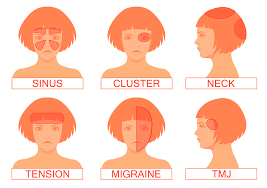
Causes of facial pain. Numerous conditions, including as sinus infections and dental issues, can cause the pain. face injuries, trigeminal neuralgia, and TMJ issues. Finding the root cause of facial discomfort is crucial to putting the right management and treatment plans in place. if you have severe or ongoing facial pain. For an accurate assessment and individualized treatment, it’s critical to speak with a healthcare provider. People can find relief from facial pain and enhance their general quality of life with prompt intervention and thorough management.

CAUSES OF FACIAL PAIN

A distressing condition, facial pain can interfere with eating, speaking, sleeping, and socializing, among other elements of daily living. Although there are many different reasons of facial pain, managing and relieving it effectively requires a grasp of the prevalent causes. The various causes of facial pain will be covered in this article, along with methods for relieving the discomfort.

1. Dental Problems:

Dental issues are a leading cause of pain on the face, with conditions such as tooth decay, gum disease, and dental abscesses contributing to discomfort in the jaw, cheeks, and surrounding areas. Toothaches, jaw stiffness, and pain while chewing or biting are common symptoms of dental-related pain. Regular dental check-ups, proper oral hygiene, and prompt treatment of dental problems are essential for preventing and managing facial pain of dental origin.

2. Sinus Infections:

Sinus infections, also known as sinusitis, occur when the sinuses become inflamed and swollen due to infection or inflammation of the sinus tissues. Facial pain associated with sinusitis typically manifests as pressure or tenderness in the cheeks, forehead, and around the eyes. Other symptoms may include nasal congestion, headache, fatigue, and thick nasal discharge. Treatment for sinusitis may include antibiotics, nasal decongestants, saline nasal irrigation, and pain relief medication to alleviate symptoms and clear the infection.

3. Temporomandibular Joint Disorders:

Causes of facial pain

Causes of facial pain

Temporomandibular joint disorders (TMJ disorders) affect the joints that connect the jawbone to the skull, leading to facial pain, jaw stiffness, and difficulty chewing or speaking. TMJ disorders can be caused by various factors, including jaw injury, teeth grinding (bruxism), arthritis, and stress. Treatment for TMJ disorders may include lifestyle modifications, dental appliances, physical therapy, stress management techniques, and in severe cases, surgery to repair or replace the affected joint.

4. Trigeminal Neuralgia:

Trigeminal neuralgia is a chronic pain condition that affects the trigeminal nerve. Which is responsible for transmitting sensations from the face to the brain. Individuals with trigeminal neuralgia experience sudden, intense facial pain that can be triggered by activities such as eating, talking, or touching the face. The pain is often described as stabbing, shooting, or electric shock-like in nature and can be debilitating. Treatment for trigeminal neuralgia may include medications, nerve blocks, and surgical interventions to relieve pain and improve quality of life.

5. Facial Trauma:

Causes of facial pain

Causes of facial pain

Facial trauma, such as fractures, bruises, or lacerations, can cause significant pain and discomfort in the affected area. Common causes of facial trauma include falls, motor vehicle accidents, sports injuries, and physical assaults. Depending on the severity of the injury, treatment may involve rest. Pain management, wound care, and in complex cases, surgical repair or reconstruction to restore facial function and appearance.


Summary

Dental problems (abscesses), infections (herpes zoster, sinusitis), nerve diseases (trigeminal neuralgia), and TMJ (temporomandibular joint) abnormalities are frequently the cause of facial pain. It frequently radiates from the jaw, teeth, or sinuses and can feel like scorching, dull ache, or strong electric shocks. Salivary gland issues, face traumas, and migraines are further causes.


Continue Reading

Health

Deep breathing relevance

Published

on

Deep breathing relevance. Introducing the profound practice of deep breathing, a straightforward but effective method that can uncover a plethora of health advantages. The practice of deep breathing can lead to a happier, more balanced existence by lowering stress and anxiety, increasing focus, and improving the quality of sleep. In this investigation, we explore seven noteworthy benefits of adopting deep breathing into your everyday routine and reveal how it may improve your body and mind. Come along with us as we set out to explore the tremendous effects of mindful breathing on general wellbeing.

DEEP BREATHING RELEVANCE

Diaphragmatic breathing, often known as deep breathing, is a potent and easily accessible technique that lowers blood pressure, slows heart rate, and reduces stress by activating the parasympathetic nerve system, sometimes known as the “rest and digest” system. It is an essential tool for both short-term relaxation and long-term wellness since it improves brain clarity by boosting oxygen flow, lowering anxiety, and relaxing physical tension.

Deep breathing has numerous benefits, including:

1. Stress Reduction: Deep breathing triggers the relaxation response, reducing stress levels.

2. Improved Oxygen Flow: Enhances oxygen delivery to the brain and body, boosting overall energy levels.

3. Better Sleep: Deep breathings can promote relaxation, leading to improved sleep quality.

Deep breathing relevance

Deep breathing relevance

4. Enhanced Focus: Increases oxygenation to the brain, improving concentration and cognitive function.

5. Lower Blood Pressure: Helps to regulate blood pressure by inducing relaxation and reducing tension.

6. Improved Digestion: Deep breathings can stimulate the parasympathetic nervous system, aiding digestion.

Deep breathing relevance

Deep breathing relevance

7. Emotional Regulation: Deep breathings technique can help manage emotions and promote a sense of calmness.


Summary

The respiratory system, which consists of the lungs, diaphragm, and airways, controls breathing, which is the essential, rhythmic act of taking in oxygen and expelling carbon dioxide. The diaphragm contracts and descends during inhalation to allow air to fill the lungs; during expiration, it relaxes to release air. It makes it possible for vital gas exchange to sustain life.


Continue Reading

Trending

Copyright © 2024 Simplexplainer.com. Designed by mypworld@gmail.com