Health
Sterols and Health

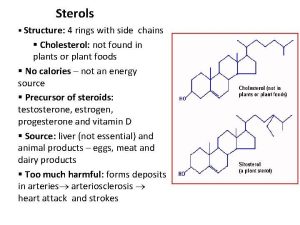

Sterols and health. They are essential for preserving wellbeing and health. Even though cholesterol is necessary in moderation, eating foods high in phytosterols can help control cholesterol levels and promote general health. People can make educated dietary decisions to support improved health by being aware of the functions and advantages of various sterols.significant class of chemical compounds, sterols—also referred to as steroid alcohols—are a subclass of steroids. They are vital parts of plant, animal, and fungal cell membranes and are vital for preserving the structure and functionality of cells. Sterols are essential for many physiological functions in humans and have been associated with a number of health advantages.
STEROLS AND HEALTH
Similar to cholesterol in animals and phytosterols in plants, sterols are essential fats for cell structure, but their balance has a major impact on health. Plant sterols (phytosterols and stanols) are well-known for lowering “bad” LDL cholesterol, lowering the risk of heart disease, and providing anti-inflammatory and antioxidant benefits; excess cholesterol contributes to cardiovascular problems, while normal cholesterol is necessary for optimal heart and metabolic health.
Types of Sterols;
Sterols can be classified into two main categories: cholesterol, which is found in animals, and phytosterols, which are present in plants. Cholesterol is the most well-known sterol and is a key component of animal cell membranes, influencing fluidity and permeability. It is also a precursor for the synthesis of essential molecules like vitamin D, steroid hormones, and bile acids. Phytosterols, such as beta-sitosterol, campesterol, and stigmasterol, are structurally similar to cholesterol but are found in plant-based foods.
Health Benefits;

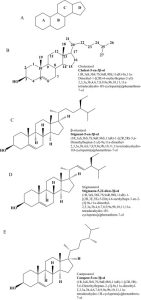
Sterols and health
Cholesterol is necessary for human health, but excessive levels can lead to cardiovascular diseases. On the other hand, phytosterols have been shown to lower LDL (low-density lipoprotein) cholesterol levels. Which is beneficial for heart health. They achieve this by competing with cholesterol for absorption in the intestines, thus reducing the overall amount of cholesterol that enters the bloodstream.
Phytosterols are also associated with anti-inflammatory and antioxidant properties. They may help modulate the immune system, reduce the risk of certain cancers, and improve skin health. Some studies suggest that phytosterols can enhance the body’s ability to manage blood sugar levels, making them potentially beneficial for individuals with diabetes.
Sources of Sterols;

Sterols and health
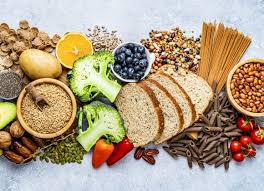
Cholesterol is naturally found in animal-based foods such as meat, dairy products, and eggs. Phytosterols, meanwhile, are abundant in plant-based foods like vegetables, fruits, nuts, seeds, legumes, and whole grains. Foods particularly high in phytosterols include sunflower seeds, almonds, and various vegetable oils.
Summary
One class of lipid is sterols, which are chemical molecules containing a hydroxyl group and a multi-ring structure. They are essential components of cell membranes in all eukaryotic species, helping to control fluidity and acting as building blocks for other chemicals like vitamins and hormones. Sterols include things like ergosterol in fungi, cholesterol in animals, and phytosterols like sitosterol and stigmasterol in plants.