students
Students and Laptops

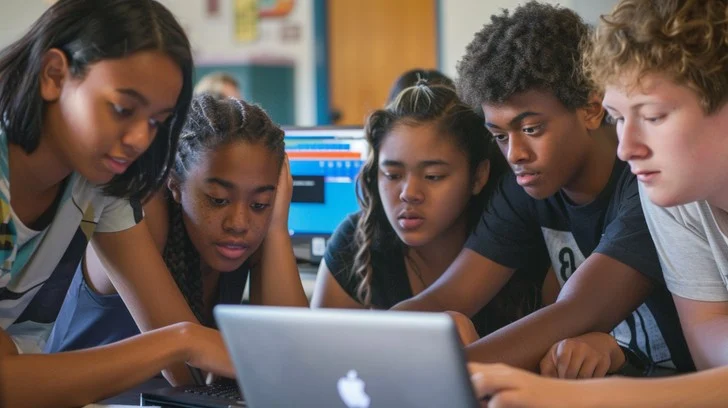
Students and laptops. Laptops, sometimes known as note books, are portable computers that are rather sturdy and weigh around two kilograms. In 1983, the term “laptop” was coined. Schools and universities today use computers in the age of technology to enable students to learn through multimedia learning modules that imaginatively use all of the senses to teach courses. Students can increase their technology literacy and obtain real-world experience by using computers for instruction. A knowledge highway is the World Wide Web. A laptop or notebook can aid in learning in a variety of ways. Because of their portability and the technological tools they offer, laptops are very popular.
STUDENTS AND LAPTOPS
The use of computers has fundamentally changed how students learn and engage with the outside world. Computers have drastically changed how students access, analyze, and engage with knowledge. With internet access, students may interact with individuals around the globe, quickly access and evaluate information, and even create their own digital material. Computers will most likely remain a crucial part of contemporary education in the future.
Advantages;

Not only are they growing in popularity for usage at home, but many schools are also beginning to use them in the classroom. There are many benefits for students who use laptops, such as easier group work and study, quicker writing and editing, and more thorough and effective note keeping. All pupils, regardless of age or grade level, can benefit from laptops.
1. The laptop is constantly with you, along with your notes and references, and online libraries and other websites offer tools to assist students in formatting their assignments and references.

2. Students can type assignments, Digital Note-Taking share notes, collaborate on projects in groups, and take notes in class using a laptop.
3. Without paying exorbitant phone fees, students can converse and interact with friends and family over the internet.
4. Students can download music from the internet and see movies and video clips on laptops.
More Advantages;

STUDENTS AND LAPTOPS
5. In order to make some extra cash, students can use laptops to design and develop software. Freelance writing is an option for people who are skilled in research or writing.
6. Students can download entire books from internet libraries and other websites. In addition to saving time and money, students can read texts from the 18th century to the present.
7. Laptops help kids become self-sufficient, teach them to type, help them manage their schedules, teach them how to budget using online planners, and help them become global citizens.

STUDENTS AND LAPTOPS
8. Students who have a laptop with an internet connection are more likely to learn and stay up to date on current events. The world is covered by online news sources, not simply a state or nation.
9. Students are encouraged by laptops to be IT experts. They stay up to date on the latest developments in the world.

STUDENTS AND LAPTOPS
10. Also, Convenience This portability is one of the biggest benefits of laptops. In contrast to desktop computers, which need a certain location and are immovable, laptops let you work, play, or access entertainment from almost anyplace.
Summary
Student laptops, which are necessary for modern schooling, must balance strong performance (16GB RAM is advised), long battery life, and mobility for everyday usage. The Apple MacBook Air M4, Microsoft Surface Laptop, and Lenovo IdeaPad 1 are among the top budget options for 2025–2026 that support study, note-taking, and teamwork. By enabling a “flipped classroom” style, these gadgets improve flexibility and student involvement.



Coping mechanisms for academic depression. Students at all levels, from high school to graduate degrees, are impacted by academic depression, a mental health condition. Overwhelming stress, burnout, and feelings of inadequacy can result from the great pressure to perform well, handle demanding workloads, and balance social and personal obligations. Effective management of academic depression requires acknowledging and resolving these emotions.
COPING MECHANISMS FOR ACADEMIC DEPRESSION
Although dealing with academic depression is difficult, students can develop resilience and discover healthy ways to handle academic stress with knowledge, support, and useful techniques. Recall that mental health should never be sacrificed for academic success. Overcoming academic depression can be greatly aided by getting support, putting self-care first, and keeping a balanced viewpoint.
Understanding Academic Depression;

Academic depression is more than just occasional stress or frustration with school. It includes prolonged feelings of sadness, lack of motivation, fatigue, and, in severe cases, hopelessness. Left unaddressed, these feelings can negatively impact a student’s academic performance, relationships, and overall well-being.
Common Triggers of Academic Depression;
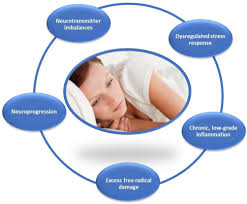
Some common triggers include high expectations from self or others, fear of failure, and the pressure to keep up with demanding academic schedules. Additionally, comparison with peers, financial pressures, and lack of personal time can further exacerbate these feelings. Recognizing these triggers helps in creating a more supportive environment for managing them.
Strategies;
1. Seek Support;
Reach out to friends, family, or counselors when feeling overwhelmed. Academic institutions often have mental health resources, such as counseling services or support groups, which can provide guidance and understanding.
2.Practice Self-Care;

Vector set of self care icons. Love, relax, me time, slow life concept. Cute girl or woman hugging herself. Sticker collection with heart shape and lettering elements. Female body health illustration
Prioritize self-care activities, such as exercise, meditation, and hobbies, to alleviate stress. Taking time for relaxation can help restore energy and improve mental clarity, making it easier to tackle academic challenges.
3. Break Down Goals;

Coping mechanisms for academic depression
Setting small, achievable goals can reduce feelings of being overwhelmed. Breaking down tasks into manageable parts helps in staying organized and maintaining a sense of accomplishment along the way.
4. Challenge Negative Thoughts;

Coping mechanisms for academic depression
Academic depression can lead to a cycle of negative thinking. Practicing positive self-talk, acknowledging accomplishments, and focusing on personal progress rather than perfection can improve resilience.
5. Consider Professional Help;
If symptoms of depression persist, professional help from a therapist or counselor may be necessary. Cognitive-behavioral therapy (CBT), for example, can provide effective strategies for managing stress and building coping skills.
Building a Supportive Academic Environment;
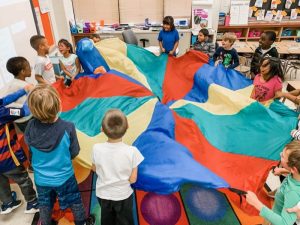
Both students and academic institutions play a role in preventing and addressing academic depression. Schools can promote mental health awareness, offer accessible counseling services, and encourage open discussions around mental health.
Summary
It takes a combination of proactive self-care, organized time management, and support-seeking to deal with academic depression. Using university counseling facilities, exercising frequently, practicing mindfulness, and breaking work down into manageable chunks are all important tactics. Additionally crucial is cognitive reorganization, which involves substituting positive self-talk for negative ideas.
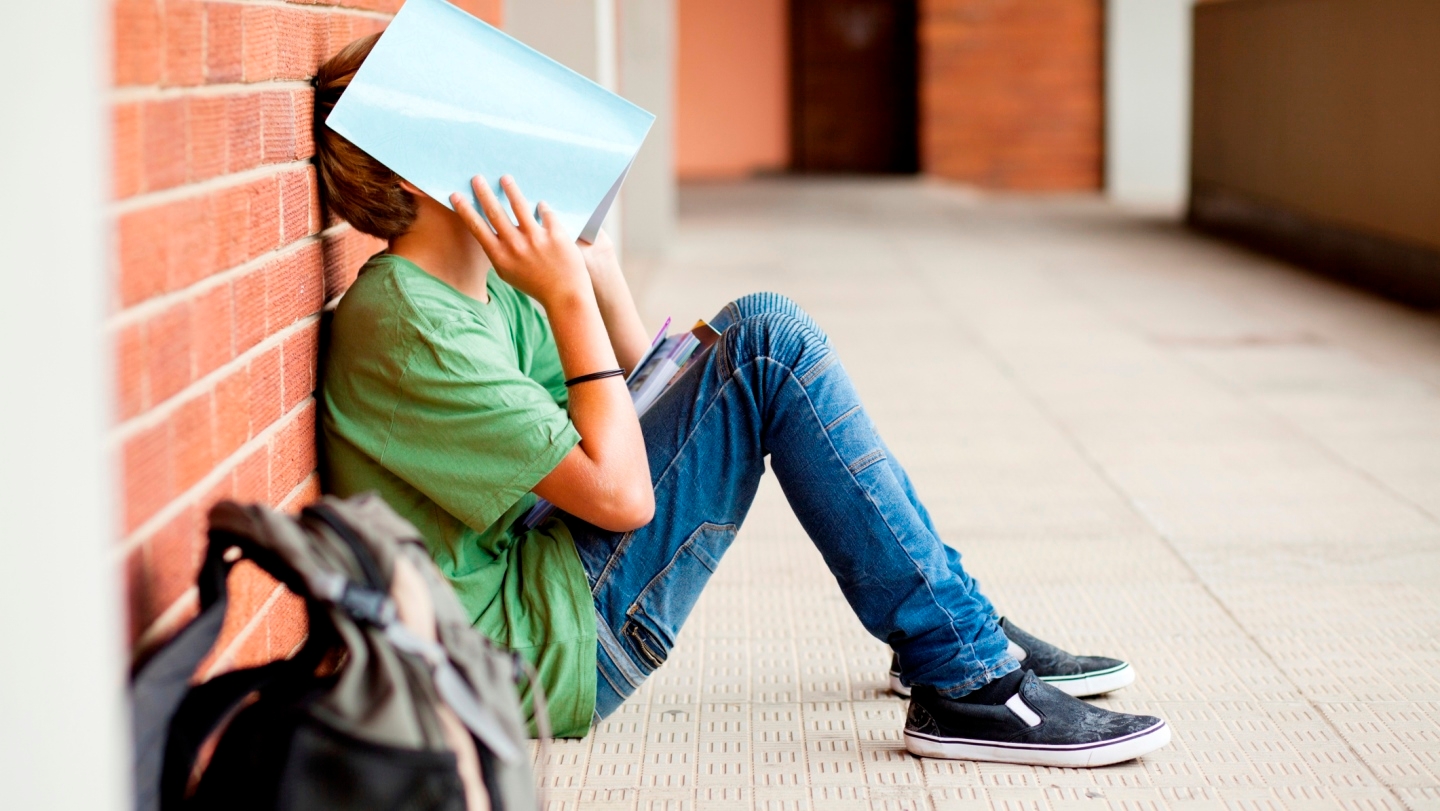

School drop out and students. A student who drops out of school before finishing it is known as a school dropout. This can happen for a variety of reasons, such as poverty, family problems, academic difficulties, bullying, or mental health issues, and is frequently the result of a gradual disengagement from academics or school life. Dropping out has serious long-term repercussions that impact both the individual and society, raising the likelihood of unemployment, poverty, and criminal activity.
SCHOOL DROP OUT AND STUDENTS
Millions of students worldwide are affected by school dropout, which is the early termination of education due to interrelated causes such as poverty, high costs, insecurity, and societal standards. Long-term effects include diminished economic prospects, heightened susceptibility to criminal activity, and the continuation of the poverty cycle.
1. Bad influence;

The most frequent cause of school dropout among children is negative role models. Addiction to substances brought on by early or unrestricted exposure to drugs, alcohol, the internet, peer pressure, and television can lead to youth being disengaged from their academic pursuits and engaging in antisocial actions.
2. Academic difficulty;
Learning challenges and the incapacity to handle pressure from the classroom are two other reasons why children choose not to attend school. According to studies, children who are not proficient readers by the time they enter the fourth grade have a fourfold increased risk of dropping out of school.
3. Family and socioeconomic needs;

SCHOOL DROP OUT AND STUDENTS
Studies indicate that kids from low-income backgrounds or with a lower socioeconomic position have a higher likelihood of dropping out of school. To provide for their family, they might need to work. While their parents are at work, some kids might have to stay home to look after their siblings.
4. Poor Health:
A child’s learning capacity and academic achievement are significantly impacted by his or her health. Childhood illnesses that persist into adulthood can make it more difficult for a youngster to finish school.
5. Retention:
SCHOOL DROP OUT AND STUDENTS
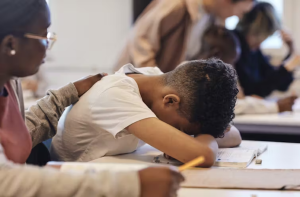
Children’s self-esteem suffers as a result of retention. They often quit school because they feel inferior to their peers.
6. Disengagement:
The school culture is dull to many children. In the ninth and tenth years, over 71% of kids lose interest in high school, according to a survey. They would rather miss courses, arrive late, and eat long lunch breaks.
7. Transition:
SCHOOL DROP OUT AND STUDENTS
Research suggests that pupils’ academic motivation and performance may suffer as they go from the supportive middle school setting to the more solitary high school setting. “Understanding Why Students Drop Out of High School,
Summary
reasons why pupils leave school. Even though school completion rates have steadily increased for the majority of the last century, the problem of school dropout still impedes both the efficacy of the educational system and young people’s ability to pursue their individual educational goals in the most direct and fulfilling way.
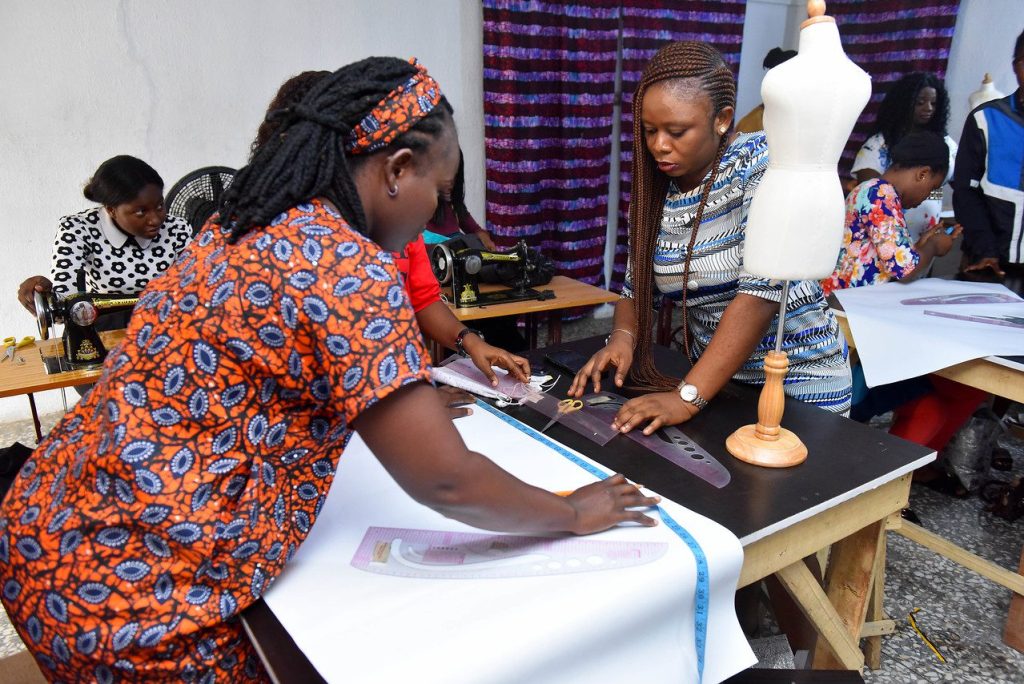

Students jobs on-campus. Flexible positions including online tutoring, content production, social media internships, and administrative positions (like HR and front desk) for businesses like Edufiy Inc., TGM Education, and LocalBuka are among the student jobs available in Lagos, Nigeria. Other opportunities include teaching assistant jobs, engineering internships, and financial professions that frequently concentrate on skill development for students or NYSC participants.
STUDENTS JOBS ON-CAMPUS
Online tutoring, content production, digital marketing, internships, data entry, and sales are just a few of the remote opportunities available to students in Nigeria, particularly in Lagos. Jobs like social media managers, graphic designers, event promoters, campus photographers, and scientific or art tutors are among the best options. Numerous positions provide flexible schedules that are ideal for juggling academic obligations.
Ushers;

An usher welcomes guests, takes tickets, and helps patrons find their seats for a range of live events, including theater, sports, and concerts.
Student Ambassador;
However, at different events, one might represent their organization or school to potential students, staff members, and guests. In addition, they might have to recruit peers, organize, set up, and oversee activities, and represent students in meetings with administrators and officials from the university.
Lifeguard;

Students jobs on-campus
When it comes to running, diving, jumping, and other actions, lifeguards keep an eye on patrons at swimming pools to make sure they’re following the laws. They are equipped with the necessary training and readiness to save any visitor who may be in danger, including administering CPR, avoiding drowning, and treating minor wounds with first aid.
Resident Assistant;
Although, a resident of a dorm, a student worker manages a group of on-campus students. They set up fun activities for their group, manage the rules in the dorms and at school, help students with their emotional needs, and offer advice on managing college life.
Teaching assistants;
Students jobs on-campus
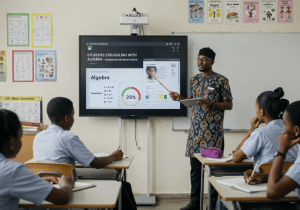
However, A teaching assistant, to be well-prepared to respond to questions from students in class, facilitate small-group breakout sessions, and grade assignments, papers, tests, and projects, many teaching assistant positions demand that the candidate be an exceptional student in the subject matter that the professor or lecturer teaches.
It assistant;
Also, they might respond to IT requests from all over the campus, repairing desktops, mobile devices, and equipment in classrooms.
Library assistant;

Students jobs on-campus
Meanwhile, in certain positions, the student worker might operate at the circulation counter, checking out resources and books for customers and gathering returned items.
Summary
Also, even though the following salaries are the national average for each function, pay rates and benefits may differ based on your school, the office you work for, how many hours you put in, and your prior experience. A federal program for student employment, work-study may even be applicable to some positions.

Capable God Lyrics

Glorious God Lyrics

Ancient of Days Lyrics

A Step-by-Step Guide to Deleting Reels on Instagram

How to Create a WhatsApp Group