Swimming
Swimming as a Recreational Activity

Swimming as a recreational activity. Swimming is a useful life skill with many advantages for both physical and mental health, not only a leisure pastime. Learning to swim is an attainable objective for people of all ages and abilities, whether you want to improve your technique, get over your fear of the water, or just enjoy the tranquility of gliding through the pool. We’ll give a thorough instruction on swimming in this post, covering everything from fundamental strokes to sophisticated methods.
SWIMMING AS A RECREATIONAL ACTIVITY
A lifetime of happiness, fitness, and personal fulfillment can be had by learning to swim, which is an empowering adventure. You’ll quickly experience the delight and freedom of easily gliding over the water if you follow the instructions in this tutorial and commit to consistent practice and development. So jump in, accept the challenge, and explore the amazing world of swimming.
1. Get Comfortable in the Water:
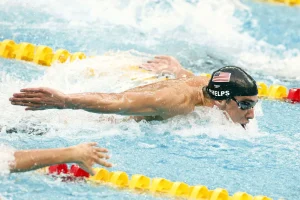

Before diving into the technical aspects of swimming strokes, it’s essential to develop comfort and confidence in the water. Start by familiarizing yourself with the sensation of being buoyant and breathing rhythmically while floating on your back. Practice relaxed breathing and gradually submerge yourself in deeper water, focusing on maintaining a calm and composed demeanor.
2. Learn Basic Floating Techniques:
Mastering basic floating techniques is the foundation of swimming. Practice floating on your front and back, allowing your body to remain buoyant with minimal effort. Experiment with different body positions and movements to find what feels most comfortable and stable for you.
3. Practice Breathing Techniques:
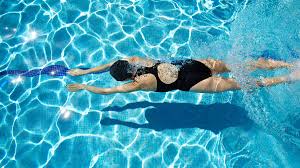

Proper breathing technique is crucial for efficient swimming. Practice rhythmic breathing by inhaling through your mouth when your face is above water and exhaling through your nose or mouth when your face is submerged. Coordinate your breathing with your arm strokes to maintain a steady rhythm and maximize oxygen intake.
4. Start with Basic Strokes:
Beginners often start with the freestyle (front crawl) stroke, as it is the most straightforward and versatile swimming technique. Focus on proper arm and leg coordination, keeping your body aligned and streamlined in the water. As you gain confidence and proficiency, you can explore other strokes, such as breaststroke, backstroke, and butterfly.
5. Perfect Your Technique:

Swimming as a recreational activity
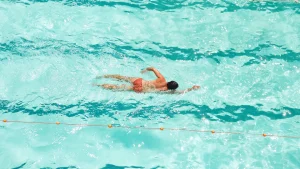
Improving your swimming technique requires patience, practice, and attention to detail. Pay close attention to your body position, hand entry, arm pull, kick, and breathing rhythm. Seek feedback from experienced swimmers or instructors, and use drills and exercises to target specific aspects of your technique that need improvement.
6. Build Endurance and Strength:
Swimming is a full-body workout that builds strength, cardiovascular endurance, and flexibility. Gradually increase the duration and intensity of your swimming sessions to build stamina and improve overall fitness. Incorporate strength training exercises, such as resistance swimming drills and water aerobics, to enhance muscular strength and power.
7. Safety First:

Swimming as a recreational activity
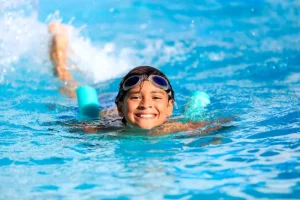
Above all, prioritize safety when swimming. Always swim in designated swimming areas supervised by lifeguards, and never swim alone. Learn basic water safety skills, such as treading water and floating, and familiarize yourself with rescue techniques in case of emergencies.
Summary
All skill levels enjoy swimming as a popular, low-impact, full-body recreational activity in lakes, oceans, and pools. It is a great, accessible kind of exercise for people of all ages because it improves cardiovascular health, increases muscular mass, increases flexibility, and provides mental calm.