Government
The Roles of Government in the Society

THE ROLES OF GOVERNMENT IN THE SOCIETY
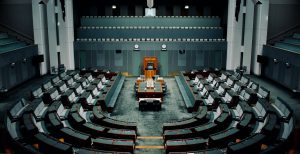
The roles of government in the society. Over time, the function of the government has evolved significantly. Formerly, governments handled everything. They watched after the populace formed the laws, and upheld them. For many years, things were that way. However, the government’s function started to shift over time. Various organizations started to gain some of the authority that governments had held. For instance, law enforcement is no longer the government’s responsibility in many nations.
THE ROLES OF GOVERNMENT IN THE SOCIETY
Basic roles
1. Providing public goods “non-excludable” and “non-rival” goods and services, or those that don’t have any trade-offs when more people use them, are those that cannot be stopped.
2. Controlling outside influences
The management and intervention of externalities is a very crucial topic that is also highly contested. Either positive or negative externalities may exist. Positive externalities are typically handled by state-owned businesses or heavily regulated public/private businesses. The majority of negative externalities are typically lessened by regulations, limits, and the establishment of standards.
3. Public expenditures
Governments have the power to steer particular industries and even investment categories. It was not until the mid-1900s that this started to occur, as government spending became a significant economic engine.
4. Income distribution
This is one of the political issues that is most urgent and persistent. It entails market regulation, guaranteeing minimum wages, fostering greater “equality,” but also making sure that incomes are dispersed as fairly as feasible. It also implies robbing the wealthy and giving to the underprivileged.
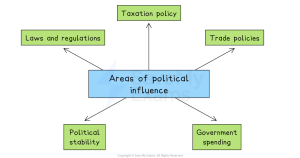
5. The federal budget Governments have a crucial role in controlling revenue and expenditure as well as managing the deficit. Taxes and fees are typically used to raise revenue, and administrative expenses, public defense, social security, education, and other expenditures are typically covered by spending.
6. Levying Funding and redistribution are necessary for all government operations. Whether it’s disbursing cash, investing in infrastructure, or offering public goods like education. Every expense must eventually be “earned.” Determining the tax system and its effects on the economy, social equality, and other aspects like competitiveness are crucial tasks for the government.

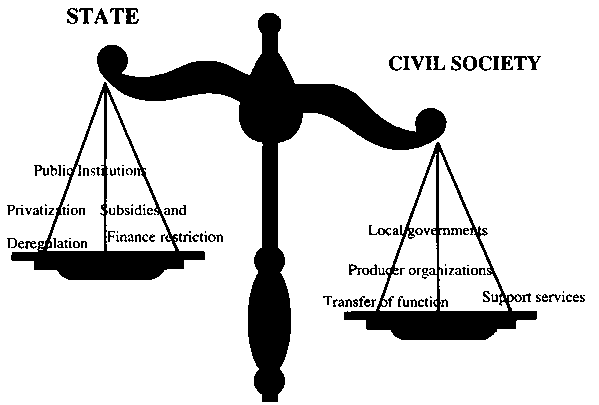

Government and society.Both are inextricably linked. The government is the governing body that enacts and upholds laws, oversees public services (such as roads, healthcare, and education), keeps the peace, and advances the welfare of the populace, while society is made up of the individuals and groups that are governed, ideally by consent (democracy) or other systems (autocracy, aristocracy), expecting benefits and protection in exchange for following social norms. In this partnership, society influences governance through participation, feedback, and occasionally calls for change, while the government establishes structure and stability through institutions and policies, creating a dynamic interaction for common living.
GOVERNMENT AND SOCIETY
By establishing and upholding laws, offering vital public services (such as infrastructure, healthcare, and education), controlling the economy, defending the country, guaranteeing justice, defending rights, and advancing the general welfare of all citizens while striking a balance between individual liberties and group needs, governments preserve social order, security, and stability.
Basic roles;
1. Providing public goods “non-excludable” and “non-rival” goods and services, or those that don’t have any trade-offs when more people use them, are those that cannot be stopped.
2. Controlling outside influences;

The management and intervention of externalities is a very crucial topic that is also highly contested. Either positive or negative externalities may exist. Positive externalities are typically handled by state-owned businesses or heavily regulated public/private businesses. The majority of negative externalities are typically lessened by regulations, limits, and the establishment of standards.
3. Public expenditures;

Government and society
Governments have the power to steer particular industries and even investment categories. It was not until the mid-1900s that this started to occur, as government spending became a significant economic engine.
4. Income distribution;

This is one of the political issues that is most urgent and persistent. It entails market regulation, guaranteeing minimum wages, fostering greater “equality,” but also making sure that incomes are dispersed as fairly as feasible. It also implies robbing the wealthy and giving to the underprivileged.
5. The federal budget Governments have a crucial role in controlling revenue and expenditure as well as managing the deficit. Taxes and fees are typically used to raise revenue, and administrative expenses, public defense, social security, education, and other expenditures are typically covered by spending.
Government and society
6. Levying Funding and redistribution are necessary for all government operations. Whether it’s disbursing cash, investing in infrastructure, or offering public goods like education. Every expense must eventually be “earned.” Determining the tax system and its effects on the economy, social equality, and other aspects like competitiveness are crucial tasks for the government. Government Spending,
Summary
The role of the government has changed dramatically over time. In the past, everything was managed by governments. They observed as the people enacted and upheld the laws. That was the situation for a long time. But with time, the role of the government began to change. Governments began to cede some of their authority to various organizations. For example, in many countries, the government is no longer in charge of law enforcement.

Nivea body wash for men

Business maintenance

Athlete conviction of murder

A Step-by-Step Guide to Deleting Reels on Instagram

A Comprehensive Guide to Setting Up a YouTube Premiere

How to Create a WhatsApp Group
-

 Health4 weeks ago
Carbonated drinks side effects
-

 Business4 weeks ago
Smart ideas for business startups
-

 Deodorants3 weeks ago
Reviewing tom ford oud
-

 Deodorants4 weeks ago
Reasons for wearing deodorants
-

 Deodorants4 weeks ago
Review for saint laurent black
-

 Deodorants3 weeks ago
Varieties of perfumes for men