pregnancy
Tips for Healthy Pregnancy

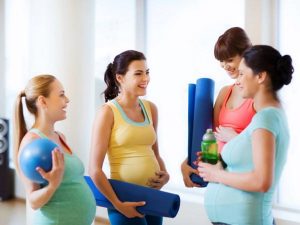
Tips for healthy pregnancy. Eat a healthy, balanced diet full of calcium, iron, and folic acid during pregnancy. Steer clear of alcohol, some uncooked foods, and too much caffeine. To handle stress, engage in frequent, moderate exercise, stay away from saunas and hot tubs, and get adequate sleep. Steer clear of illegal drug use, secondhand smoke, harsh chemicals, and smoking. The joyous occasion of childbirth frequently motivates women to adopt healthier lifestyle choices and, if necessary, strive for a healthy body weight.
TIPS FOR HEALTHY PREGNANCY
Even if you are not pregnant but are considering becoming a parent, these suggestions may still be helpful! Making adjustments now will allow you to adjust to new lifestyle practices. You’ll set a healthy example for your family for years to come and provide your child the best start in life. During pregnancy, it’s essential to prioritize the health and well-being of both the mother and the developing baby. Certain activities should be avoided to minimize potential risks and ensure a safe and healthy pregnancy. Here are some suggestions for bettering your eating and exercise routines both during and after your pregnancy.
Here are five activities to avoid during pregnancy;
1. Heavy Lifting
TIPS FOR HEALTHY PREGNANCY
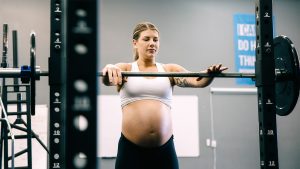
Pregnant women should avoid heavy lifting or carrying heavy objects, as this can strain the back and abdominal muscles and increase the risk of injury. Lifting heavy weights can also put pressure on the uterus and potentially lead to complications such as preterm labor or placental abruption. It’s best to enlist help for tasks that require lifting or carrying heavy loads.
2. High-Impact Exercise
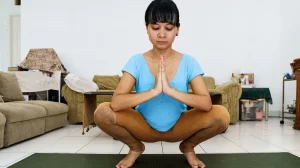
While regular exercise is beneficial during pregnancy, certain high-impact activities should be avoided, especially as the pregnancy progresses. Activities such as intense aerobic workouts, contact sports, or activities with a high risk of falls or abdominal trauma should be avoided to reduce the risk of injury to the mother and baby. Instead, opt for low-impact exercises like walking, swimming, or prenatal yoga, which are gentler on the body.
3. Hot Tubs and Saunas

TIPS FOR HEALTHY PREGNANCY
Exposure to high temperatures, such as hot tubs, saunas, or steam rooms, can raise the body’s core temperature to levels that may be harmful to the developing baby. Elevated body temperature during pregnancy has been associated with an increased risk of birth defects and other complications. It’s best to avoid prolonged exposure to high heat sources and opt for cooler environments to regulate body temperature safely.
4. Certain Foods and Beverages
During pregnancy, it’s important to be mindful of food and beverage choices to minimize the risk of foodborne illnesses and other potential hazards. Avoiding raw or undercooked meats, fish high in mercury, unpasteurized dairy products, and excessive caffeine is recommended. Additionally, alcohol should be completely avoided during pregnancy, as it can harm the developing baby and lead to a range of birth defects and developmental issues.
5. Strenuous Activities and Extreme Sports
TIPS FOR HEALTHY PREGNANCY
Engaging in strenuous activities or extreme sports that pose a high risk of injury or trauma should be avoided during pregnancy. Activities such as skydiving, scuba diving, rock climbing, or horseback riding. Can increase the risk of falls, collisions, or other accidents that may harm the mother or baby. It’s important to prioritize safety and avoid activities that carry a high risk of injury or physical strain.
Summary
By avoiding these activities and following recommended guidelines for a healthy pregnancy. Expectant mothers can help ensure the well-being of themselves and their developing babies. It’s essential to consult with a healthcare provider. For personalized advice and recommendations based on individual health status and pregnancy-related concerns.










Tips for urine pregnancy test. Use your first-morning pee, read the test instructions attentively, and refrain from consuming too much water beforehand to avoid dilution in order to obtain accurate urine pregnancy test results. Checking the expiration date and according to the instructions for your test kit—such as dipping the absorbent tip in a collected sample or holding it in your stream—are also very important.
TIPS FOR URINE PREGNANCY TEST
A quick, easy, and accurate way to find out if you are pregnant is with a urine pregnancy test strip. The hormone human chorionic gonadotropin (hCG), which is created soon after a fertilized egg adheres to the uterine lining, is detected in your urine by these tests. Here is a detailed tutorial on how to properly utilize a urine pregnancy test strip:
Step 1:
Preparation
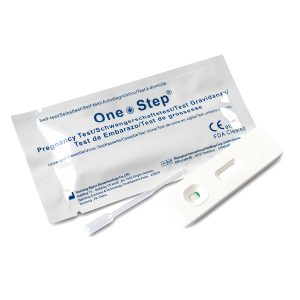
1. Read Instructions: Carefully read the instructions provided with the pregnancy test kit, as procedures can slightly vary between brands.
2. Check Expiry Date: Ensure the test strip is not expired, as an expired test may give inaccurate results.
3. Gather Supplies: Have a clean, dry container for collecting urine if the test requires it. Some tests are designed to be placed directly in the urine stream.
Step 2:
Collecting the Urine Sample

Tips for urine pregnancy test
1. Morning Sample: For the most accurate results, use the first urine of the day, as it contains the highest concentration of hCG.
2. Clean Container: If using a container, make sure it is clean and dry to avoid contamination.
3. Collect Urine: Either urinate directly onto the test strip if instructed to do so or collect urine in the container and then dip the strip into it.
Step 3:
Using the Test Strip;

Tips for urine pregnancy test
1. Dip the Strip: If you are using a container, dip the test strip into the urine up to the indicated mark. Hold it in the urine for the time specified in the instructions, usually around 5 to 10 seconds.
2. Remove and Lay Flat: Remove the strip from the urine and lay it on a flat, non-absorbent surface. Ensure the strip is not with a title to avoid the urine running into the test area incorrectly.
3. Wait for Results: Wait for the time specified in the instructions, usually around 1 to 5 minutes, without disturbing the strip. Most tests have a control line that indicates the test is working properly.
Step 4:
Interpreting the Results
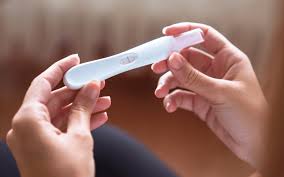
Tips for urine pregnancy test
1. Check the Control Line: Make sure a line appears in the control region to confirm the test is valid.
2. Read the Test Line: Look for a second line in the test region. The presence of this line, regardless of how faint, typically indicates pregnancy.
– Positive Result: Two lines (control and test) indicate pregnancy.
– Negative Result: Only one line (control) indicates no pregnancy.
– Invalid Result: If no lines appear or only the test line appears, the test may be invalid, and you should repeat it with a new strip.
Summary
Using a urine pregnancy test strip is a simple procedure that can yield accurate and timely results. You can confidently ascertain your pregnancy status in the comfort of your own home by carefully following these procedures.
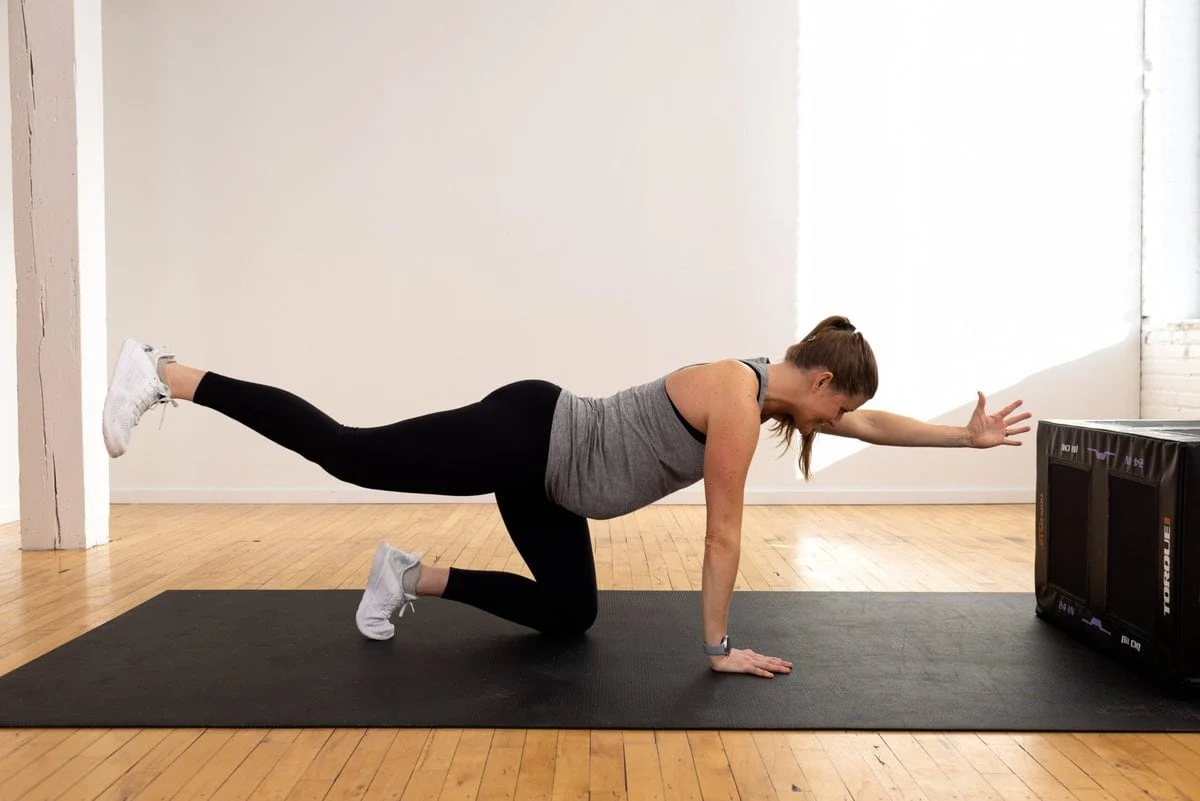
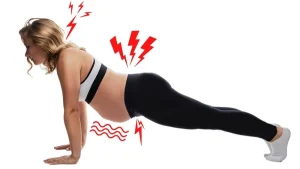
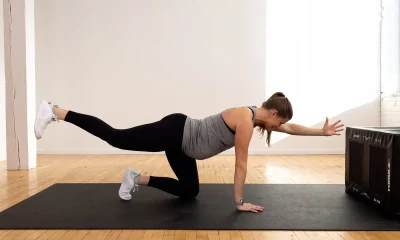
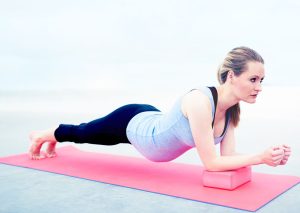
Pregnancy and plank exercise. Although planks are generally safe to use while pregnant, adjustments are required, particularly as the pregnancy goes on. If you’re already exercising frequently, it’s advisable to start with adjustments like a knee plank and stop if you experience pain or a “coning” or “doming” along the middle of your abdomen. Before beginning or continuing an exercise program, always pay attention to your body and get medical advice.
PREGNANCY AND PLANK EXERCISE
Pregnant women can benefit from plank exercises in a number of ways, such as increased core strength, better posture, and less lower back pain. To guarantee comfort and safety, it is essential to carry out these procedures with the required adjustments and safety measures. Before beginning any workout program during pregnancy, always get advice from a healthcare professional to customize the routine to your unique needs and situation. Plank exercise can be beneficial for pregnant women when performed with proper precautions and modifications.
Benefits
1. Improved Core Strength;
PREGNANCY AND PLANK EXERCISE
• Plank exercises engage the entire core, including the transverse abdominis, which is crucial for maintaining abdominal support during pregnancy. Strengthening these muscles can help support the growing uterus and reduce strain on the lower back.
2. Enhanced Posture;
• As the pregnancy progresses, the shift in the center of gravity can lead to postural changes. Planks help maintain proper alignment and strengthen the muscles that support good posture, potentially reducing the likelihood of back pain and other discomforts associated with poor posture.
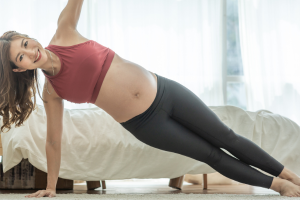
3. Reduced Lower Back Pain;
PREGNANCY AND PLANK EXERCISE
• Strengthening the core muscles through plank exercise can help alleviate lower back pain, a common issue during pregnancy. A strong core provides better support for the spine and reduces the load on the lower back.
4. Preparation for Labor;
• Maintaining core strength and overall fitness during pregnancy can aid in the physical demands of labor and delivery. Strong abdominal and pelvic muscles can contribute to more effective pushing during childbirth. Precautions and Modifications
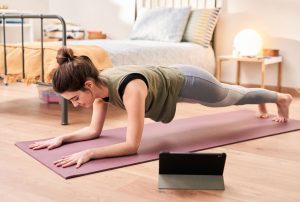
1. Avoid Overstraining;
PREGNANCY AND PLANK EXERCISE
• It’s important not to overstrain the abdominal muscles, especially as the pregnancy progresses. Overexertion can lead to diastasis recti, a condition where the abdominal muscles separate. Modifications, such as performing plank exercise on the knees or against a wall, can reduce strain.
2. Modify as Needed;
• As the pregnancy progresses, modifications may be necessary to ensure comfort and safety. Side planks or modified planks (e.g., on knees) can be gentler alternatives while still providing core benefits.
3. Focus on Proper Form;
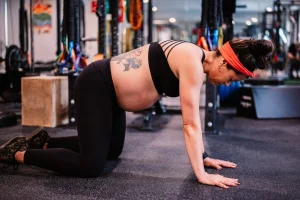
• Proper form is crucial to avoid unnecessary strain on the lower back and abdominal muscles. Keeping the body in a straight line, engaging the core, and avoiding sagging or arching the back are essential for performing planks safely.
4. Listen to the Body;
• Pregnant women should pay close attention to their bodies and stop exercising if they experience any pain, discomfort, or unusual symptoms. It’s essential to prioritize comfort and safety over intensity.
5. Consult Healthcare Providers;

• Before starting or continuing any exercise routine during pregnancy, it’s vital to consult with a healthcare provider or a prenatal fitness specialist. They can provide personalized advice and ensure that the exercises are safe and appropriate for the individual’s stage of pregnancy and health condition.
Summary
They can lessen back pain, support posture, and preserve core strength. However, before beginning any exercise regimen while pregnant, it is imperative to speak with a healthcare professional. Plank exercises have the following effects on expectant mothers:


Labor and early signs. It’s normal for expectant mothers to become extremely vigilant about any indications that labor may be on the horizon as their due dates draw near. Although each woman’s experience is different, there are a few early signs that labor might be approaching. Being aware of these indicators can help you be ready for the exciting trip ahead on both a mental and practical level.
LABOR AND EARLY SIGNS
It’s critical to keep in mind that each woman’s labor experience is unique. Furthermore, not all of these symptoms could be evident or present. Nonetheless, pregnant women may feel more equipped for the thrilling experience of labor if they are aware of these early warning signs. As usual, seeking advice from a healthcare professional is crucial. if you have any worries or inquiries concerning the symptoms of labor or the actual labor process.
1. Lightening:
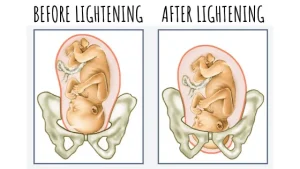
One of the first signs that labor may be approaching is “lightening,” where the baby drops lower into the pelvis. This can relieve pressure on the diaphragm but may increase pressure on the bladder, leading to more frequent urination.
2. Bloody Show:
As the cervix begins to dilate, some women experience a pink or brown discharge known as the “bloody show.” This discharge is caused by the mucus plug, which seals the cervix during pregnancy, being expelled as it makes way for the baby.
3. Contractions:

Early labor contractions are often mild and irregular, resembling menstrual cramps. As labor progresses, contractions typically become stronger, longer, and more frequent. Timing contractions can help determine if labor has truly begun.
4. Water Breaking:

LABOR AND EARLY SIGNS
Rupture of the amniotic sac, commonly referred to as the water breaking, can occur as a sudden gush or a slow trickle of fluid. Not all labors begin with the water breaking, but if it does happen, it’s a clear sign that it’s time to contact your healthcare provider.
5. Backache:
Many women experience persistent lower back pain as labor approaches. This discomfort is often caused by the pressure of the baby’s head on the spine and pelvis.
6. Cramping:

LABOR AND EARLY SIGNS
Alongside backache, some women also report experiencing cramping similar to menstrual cramps. These cramps may come and go, gradually increasing in intensity as labor progresses.
7. Diarrhea:
As the body prepares for labor, some women experience loose stools or. This is thought to be the body’s way of emptying the bowels to make more room for the baby to move through the birth canal.
8. Nesting Instinct:

LABOR AND EARLY SIGNS
A surge of energy and a sudden urge to clean, organize, or prepare the home for the baby’s arrival is commonly referred to as the nesting instinct. While not a direct physical sign of labor, many women experience this burst of energy in the days leading up to labor.
Summary
tightening or contractions. a “show” when the mucus plug from your cervix, which is the entrance to your uterus. backache. an urge to use the restroom brought on by your baby’s head pressing against your colon.

AI and the Future

Essence of Time Management

Personal Finances

A Step-by-Step Guide to Deleting Reels on Instagram

How to Create a WhatsApp Group