Health
Tips for Managing Fever


Tips for managing fever. An increase in body temperature above the normal range of 98.6°F (37°C) is known as a fever, which is a common medical symptom. It frequently indicates that the body is battling inflammation or an illness. Fever is usually not harmful on its own, but it is often a sign of an underlying illness. This prevalent health problem can be effectively addressed by being aware of its causes, symptoms, and management.
TIPS FOR MANAGING FEVER
Wear light clothing, rest, drink lots of water to avoid dehydration, and, if you feel uncomfortable, think about using over-the-counter fever reducers such acetaminophen or ibuprofen. Avoid taking cold baths or wrapping up, as these might raise body temperature and induce shivering. Seek medical attention right away if the person has a high fever, is a baby, or has a convulsion.
Causes of Fever;
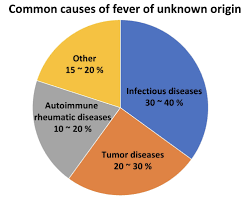

Fever can be triggered by various factors, including:
1. Infections:
Bacterial, viral, or fungal infections are the most common causes of fevers. Examples include influenza, pneumonia, and urinary tract infections.
2. Inflammatory Conditions:
Autoimmune diseases like rheumatoid arthritis and inflammatory conditions like Crohn’s disease can cause fevers.
3. Heat Exhaustion:


Prolonged exposure to high temperatures or strenuous activity in hot weather can lead to heat exhaustion and fevers.
4. Medications:
Some medications, including antibiotics and antihistamines, can cause drug-induced fever as a side effect.
5. Vaccinations:
Fevers can sometimes occur after receiving a vaccine as the body builds immunity.
6. Underlying Illnesses:


TIPS FOR MANAGING FEVER
Certain cancers, such as leukemia or lymphoma, and other chronic illnesses can present with fever.
Symptoms of Fevers;
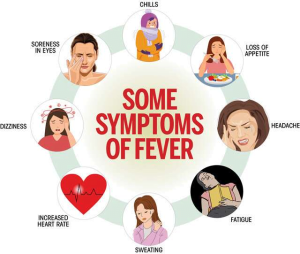

The primary symptom of fevers is an elevated body temperature, but it often comes with additional symptoms, such as:
– Chills and Shivering: Feeling cold and shaking despite having a high temperature.
– Sweating: The body’s attempt to cool down.
• Headache: A common accompaniment to fever.
– Muscle Aches: Generalized body pain or discomfort.
– Fatigue and Weakness: Feeling unusually tired or weak.
– Dehydration: Increased fluid loss through sweating.
Managing Fever;


TIPS FOR MANAGING FEVER
Management of fevers focuses on alleviating discomfort and addressing the underlying cause. Common approaches include:
1. Medications:
– Antipyretics: Over-the-counter medications such as acetaminophen (Tylenol) or ibuprofen (Advil) can help lower fever and relieve associated symptoms.
2. Home Remedies:


TIPS FOR MANAGING FEVER
– Hydration: Drinking plenty of fluids to prevent dehydration.
– Rest: Ensuring adequate rest to support the body’s immune response.
– Cool Compresses: Applying a cool, damp cloth to the forehead can help reduce body temperature.
3. Environment Control:
– Light Clothing: Wearing light and breathable clothing.
– Comfortable Room Temperature: Keeping the room comfortably cool and well-ventilated.
When to Seek Medical Attention;


TIPS FOR MANAGING FEVER
While most fevers resolve on their own, medical attention is necessary if:
– The fever persists for more than three days.
– The body temperature exceeds 103°F (39.4°C).
– There are additional symptoms like severe headache, rash, difficulty breathing, persistent vomiting, or chest pain.
– The fever occurs in an infant under three months old.
– There are signs of dehydration, such as dry mouth, reduced urination, or lethargy.
Summary
Fever is a typical reaction to a number of illnesses, mostly infections. People may effectively control fever and guarantee prompt medical care when needed by being aware of its causes, symptoms, and management techniques.