Eyes health
Tips for Managing Glaucoma


Tips for managing glaucoma. The goal of glaucoma therapies, which include laser therapy, prescription eye drops, and surgery, is to reduce intraocular pressure in order to prevent or delay additional optic nerve damage and visual loss. Early therapy is essential for maintaining vision, even when damage that has already occurred cannot be undone. Medicated eye drops such as prostaglandins and beta-blockers, daily pressure reduction, and treatments like laser trabeculoplasty and trabeculectomy are common approaches.
TIPS FOR MANAGING GLAUCOMA
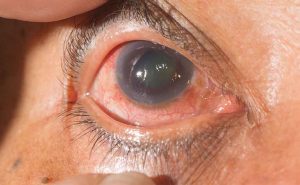
Glaucoma is a group of eye diseases that gradually damage the optic nerve, which is essential for vision. It is one of the leading causes of irreversible blindness worldwide, affecting millions of people, especially those over 60. What makes glaucoma so dangerous is that most people do not notice any symptoms until they have experienced significant vision loss. Glaucoma is often referred to as the “silent thief of sight.”
Types of Glaucoma;

TIPS FOR MANAGING GLAUCOMA
There are two main types of glaucoma: primary open-angle type and angle-closure type.
– Primary Open-Angle type: This is the most common form and develops slowly, often without any early warning signs. By the time vision changes are noticeable, irreversible damage has usually already taken place.
– Angle-Closure type: This type can develop suddenly and is considered a medical emergency that demands immediate attention. Symptoms may include severe eye pain, nausea, blurred vision, and seeing halos around lights.
Causes and Risk Factors;
TIPS FOR MANAGING GLAUCOMA
The exact cause of glaucoma is not always clear, but it is often linked to increased pressure within the eye, known as intraocular pressure (IOP). This elevated pressure can damage the optic nerve over time. Key risk factors include:
– Family history of glaucoma
– Age (more common in people over 60)
– High eye pressure
– Ethnic background (African, Hispanic, and Asian populations have higher risks)
– Conditions like diabetes

The Importance of Early Detection;
Early detection through routine eye exams is crucial for preventing glaucoma-related blindness. Comprehensive eye tests, including measuring eye pressure and examining the optic nerve, can help identify the condition before significant damage occurs.
Treatment Options;

Treatments range from prescription eye drops to laser therapy and surgery. These methods aim to reduce eye pressure and preserve the remaining vision.
Glaucoma may be silent, but with proactive care, it doesn’t have to be devastating. Regular check-ups and awareness are key to maintaining healthy eyesight for years to come.
Summary
Glaucoma is a collection of eye conditions that harm the optic nerve, frequently as a result of elevated intraocular pressure from fluid accumulation. If left untreated, glaucoma can cause irreversible vision loss or blindness. Regular exams are essential because it typically doesn’t cause any early indications. Lowering eye pressure can be accomplished through surgery, laser therapy, or prescription eye drops.
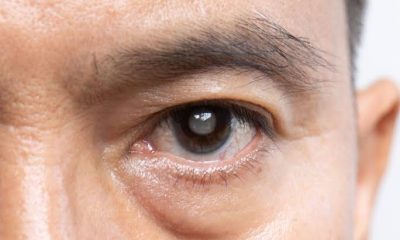

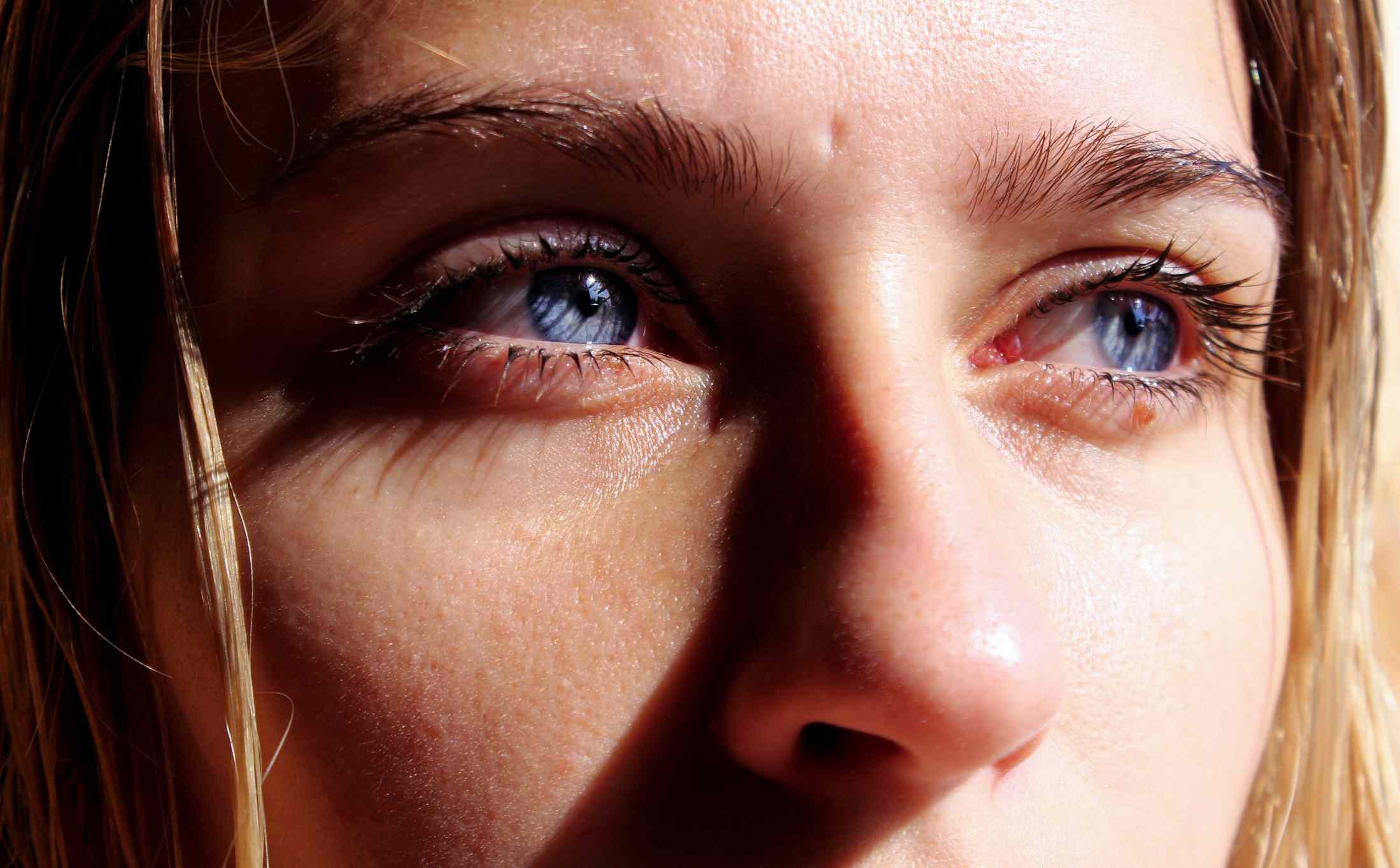
Excessive light and eye health. Regular comprehensive eye exams (every one to two years), wearing UV-protection sunglasses, utilizing protective eyewear for hazardous tasks, and adhering to the 20-20-20 rule to lessen screen strain are all necessary for maintaining good eye health. The risk of conditions like cataracts and macular degeneration is greatly decreased by eating a diet high in nutrients (vitamins A, C, E, zinc, and omega-3s) and abstaining from smoking.
EXCESSIVE LIGHT AND EYE HEALTH
Significant and frequently irreversible eye damage, such as cataracts, retinal damage, and age-related macular degeneration (AMD), is brought on by prolonged exposure to bright, UV, or blue light. Digital eye strain, headaches, and dry eyes are immediate side effects, and prolonged exposure to intense light can destroy photoreceptor cells. Long-term health depends on protective gear like screen filters and eyewear.
Types of Light and Their Impact;
Blue Light:

Emitted from digital screens (smartphones, tablets, and computers), blue light is one of the main culprits of digital eye strain. Unlike natural light, blue light penetrates deep into the eye and can lead to irritation, dryness, and fatigue. Long-term exposure is believed to contribute to potential retina damage and may accelerate age-related macular degeneration.
Bright Artificial Lighting:

Excessive light and eye health
Prolonged exposure to very bright or harsh artificial lights, such as fluorescent and LED lights, can lead to eye discomfort. This type of light can cause glare and strain, especially when combined with reflective surfaces. It can also disrupt natural circadian rhythms, affecting sleep quality and overall health.
Symptoms of Excessive Light Exposure;
Excessive light and eye health
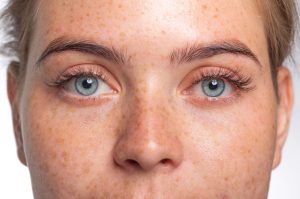
Excessive light exposure can result in symptoms such as:
–Eye Strain: A feeling of tiredness, soreness, or discomfort in the eyes after looking at bright screens or lights for too long.
– Dry Eyes: Reduced blinking during screen time can lead to dry and irritated eyes.
– Headaches: Frequent headaches are often associated with bright or excessive light exposure.
– Blurred Vision: Extended exposure can lead to temporary blurred vision.
Protecting Your Eyes;

Excessive light and eye health
To protect your eyes, practice the 20-20-20 rule: every 20 minutes, look at something 20 feet away for at least 20 seconds. Reduce screen brightness to match the surrounding environment and use blue light filters or anti-reflective lenses. Wearing sunglasses with UV protection when outdoors can prevent damage from the sun’s rays.
Managing light exposure is crucial for long-term eye health and overall well-being. Adjusting your habits today can lead to clearer, healthier vision for the future.
Summary
Given the prevalence of screens and artificial lighting in our daily lives, it’s critical to comprehend the potential negative effects of excessive light exposure on eye health. Even while light is necessary for healthy vision, extended exposure to harsh or improper lighting can cause pain and possibly long-term eye damage.

Eye strain prevention. This sometimes referred to as digital eye strain or asthenopia, is a frequent ailment that arises from continuous usage of the eyes. In the current digital era, where prolonged screen time, dim lighting, and bad posture all add to discomfort, this ailment is becoming more and more common. Eye strain is usually not dangerous, although it can be uncomfortable and interfere with day-to-day activities.
EYE STRAIN PREVENTION
The 20-20-20 rule, which states that you should gaze at anything 20 feet away for 20 seconds every 20 minutes, can help prevent eye strain. Set screens at arm’s length (about 25 inches), with the top at or slightly below eye level. Use lighting changes to lessen glare, enlarge letter sizes, and blink frequently to keep your eyes hydrated.
Causes;

Eye strain prevention
The most common cause of eye strain is extended use of digital devices, such as computers, tablets, and smartphones. Known as computer vision syndrome or digital eyes strain, it results from focusing on screens for long periods without taking breaks. Other causes include:
– Reading without breaks:
Whether on paper or screen, reading for long stretches can strain the eyes.
– Driving long distances:

Eye strain prevention
Extended focus while driving, especially at night, can contribute to fatigue.
– Exposure to bright or dim lighting:
Poor lighting conditions force the eyes to work harder, causing discomfort.
– Poor posture: Sitting too close to a screen or at an improper angle can contribute to strain.
Symptoms;

Eye strain prevention
Eyes strain symptoms can include sore or tired eyes, headaches, blurred vision, dry eyes, and difficulty focusing. Some people may also experience shoulder or neck pain due to poor posture during screen use.
Prevention and Management Tips;
Preventing eyes strain is all about good habits. Follow the 20-20-20 rule: every 20 minutes, look at an object 20 feet away for at least 20 seconds. This helps relax the eye muscles. Adjust screen brightness to match your environment and ensure text size is easy to read. Position your screen about an arm’s length away and slightly below eye level. Good lighting and frequent breaks from intense focus are essential.
Summary
To rule out underlying problems and go over other treatment choices, see an eye care specialist if symptoms continue. Making eye care a priority guarantees that your vision remains clear and comfortable while performing your regular duties.

Causes of blurry vision. The retina is the thin layer of tissue at the back of the eye that receives and processes light to convey visual signals to the brain. Retinal disorders are a collection of ailments that damage the retina. Retinal damage or disturbances can significantly impair vision and, if unchecked, result in blindness. For early detection and treatment, it is essential to comprehend the nature of these conditions and how they affect vision.
CAUSES OF BLURRY VISION
Refractive errors (nearsightedness, farsightedness, or astigmatism) or dry eyes are the most common causes of blurred vision, which is a lack of sharpness that makes it difficult to perceive fine details. It can affect one or both eyes and is frequently accompanied by halos, headaches, or eye strain. If blurring occurs suddenly, severely, or persistently, immediate medical intervention is necessary.
Types of Retinal Disorders;
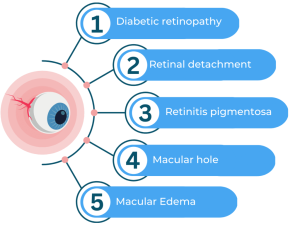
Several types of retinal disorders can affect vision, including:
This occurs when the pulls away from the underlying tissue, cutting off its blood supply and oxygen. This is a medical emergency that requires immediate attention to prevent permanent vision loss.
– Diabetic Retinopathy:
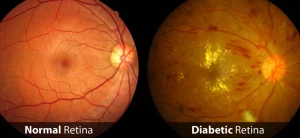
This condition develops in people with diabetes when high blood sugar levels damage the blood vessels in the retina, causing them to leak or bleed. It’s a leading cause of blindness in adults.
– Macular Degeneration:
Age-related macular degeneration (AMD) affects the macula, the central part of the retina, and leads to a loss of central vision. It’s more common in older adults and can make activities like reading and driving difficult.
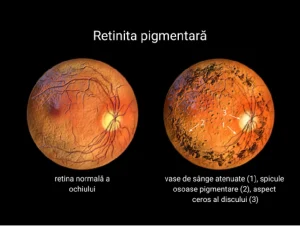
– Retinitis Pigmentosa:
CAUSES OF BLURRY VISION
This is a rare, inherited disorder that causes the gradual breakdown of retinal cells, leading to progressive vision loss over time.
Symptoms and Risk Factors;
Common symptoms of retinal disorders include blurred or distorted vision, floaters, flashes of light, and sudden vision loss. Risk factors may include aging, diabetes, family history, high blood pressure, and extreme nearsightedness (myopia).
Diagnosis and Treatment;

CAUSES OF BLURRY VISION
Retinal disorders are diagnosed through comprehensive eye exams and imaging tests such as optical coherence tomography (OCT) and fluorescein angiography. Treatments vary based on the disorder and may include medication, laser therapy, or surgery.
Prevention includes managing underlying health conditions like diabetes. Protecting the eyes from UV exposure, and regular eye exams to detect early changes.
Protecting your retina is essential for maintaining healthy vision, so don’t overlook the importance of regular check-ups and prompt medical attention.
Summary
Dry eyes, digital eye strain, cataracts, diabetic retinopathy, and uncorrected refractive defects (nearsightedness, farsightedness, and astigmatism) are the main causes of blurred vision, a frequent symptom with reasons ranging from moderate to serious. Serious, urgent crises including retinal detachment, stroke, or high blood pressure may be indicated by sudden, severe blurring.

Cold Weather Coping Mechanisms

How to Quit Smoking

Life Stages

A Step-by-Step Guide to Deleting Reels on Instagram

How to Create a WhatsApp Group