Reading
Tips for succeessful proofreading

Tips for succeessful proofreading. In the field of writing and publishing, proofreading is an essential talent. A good proofreader has an excellent command of language and punctuation, a sharp eye for detail, and the capacity to carefully check written material for mistakes. This tutorial will provide you the necessary steps to become a great proofreader, regardless of whether you want to start a career as a professional proofreader or hone your proofreading abilities for personal projects.
TIPS FOR SUCCESSFUL PROOFREADING
Successful proofreading demands perseverance, practice, and a desire to lifelong learning and development. You can become an expert proofreader and start a fulfilling career in writing and publishing by honing your language abilities, practicing frequently, becoming familiar with style guides, utilizing tools and resources, and creating a portfolio.
1. Develop Strong Language Skills;


A successful proofreader must have a strong command of the language they are proofreading. This includes a solid understanding of grammar, punctuation, spelling, and style conventions. Invest time in studying grammar rules, reading widely, and expanding your vocabulary to enhance your language skills.
2. Practice Regularly;
Like any skill, Proofreading improves with practice. Set aside dedicated time to practice proofreading various types of content, such as articles, essays, reports, and marketing materials. Start with shorter pieces and gradually work your way up to longer, more complex documents.
3. Familiarize Yourself with Style Guides;


Different publications and organizations follow specific style guides, such as the Associated Press (AP) Stylebook or the Chicago Manual of Style. Familiarize yourself with these style guides and their rules to ensure consistency and accuracy in your proofreading work.
4. Use Tools and Resources;
Take advantage of proofreading tools and resources to streamline your workflow and catch errors more efficiently. Grammar checking software, spell checkers, and online style guides can help you identify and correct common mistakes. However, remember that these tools are aids and should not replace manual proofreading.
5. Develop Attention to Detail;
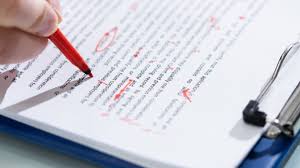

Successful proofreaders have a meticulous attention to detail and can spot even the smallest errors in written content. Train yourself to review text word by word, line by line, and pay close attention to spelling, punctuation, formatting, and overall coherence.
6. Learn to Edit and Provide Constructive Feedback;
In addition to spotting errors, a successful proofreader should also be able to edit content for clarity, coherence, and consistency. Learn how to provide constructive feedback to writers, suggesting revisions and improvements to enhance the quality of the content.
7. Build a Portfolio;

Tips for successful proofreading
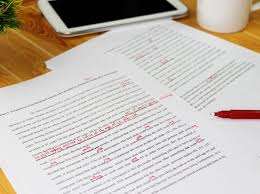
As you gain experience and confidence in your proofreading skills, start building a portfolio of your work. Include samples of documents you have proofread, along with any testimonials or recommendations from satisfied clients or employers. A strong portfolio will showcase your abilities and help you attract new clients or employment opportunities.
8. Network and Seek Feedback;
Networking with other professionals in the writing and publishing industry can open doors to new opportunities and provide valuable feedback on your work. Join online forums, attend industry events, and participate in networking groups to connect with fellow proofreaders and potential clients.
9. Stay Updated;


Tips for successful proofreading
The writing and publishing industry is constantly evolving, with new technologies, trends, and style conventions emerging regularly. Stay updated on industry news, developments in language usage, and changes to style guides to ensure your skills remain relevant and up-to-date.
Summary
The last step in polishing your writing is proofreading, which focuses on identifying typos, formatting problems, and grammatical errors. Make sure your writing is perfect by keeping proofreading and writing/editing distinct, letting your manuscript sit for a day, and reading the text aloud to identify any missing words.