relationship
Tips for Thriving Romantic Relationship


Tips for thriving romantic relationship. A successful romantic relationship is an ongoing process of love, understanding, and personal development. Couples can build a strong relationship that endures over time by emphasizing communication, encouraging friendship, and valuing both individuality and unity. Keep in mind that the investment you make in your relationship is an investment in a happy and loving future.
TIPS FOR THRIVING ROMANTIC RELATIONSHIP
A romantic relationship is like a delicate flower that blossoms into lovely, satisfying relationships when given the right care and attention. A relationship’s vitality is maintained by constant effort and dedication, even if the early phases may be passionate and exciting. This article examines important components of creating a solid, long-lasting love relationship.
1. Communication is Key:

Effective communication is the bedrock of any successful relationship. Take the time to genuinely listen to your partner, share your thoughts and feelings openly, and encourage them to do the same. Honest and transparent communication builds trust and understanding, allowing your connection to deepen.
2. Friendship Forms the Foundation:
A romantic relationship that stands the test of time often begins with a strong foundation of friendship. Engage in activities you both enjoy, share laughter, and appreciate each other’s company. A solid friendship creates a resilient base upon which the romantic aspects can flourish.
3. Quality Time Matters:

In the hustle and bustle of daily life, carving out quality time for each other is essential. Whether it’s a cozy evening at home, a spontaneous adventure, or a planned date night, investing time in the relationship strengthens the emotional connection.
4. Embrace Individual Growth:
While togetherness is vital, allowing room for individual growth is equally important. Encourage each other’s personal pursuits, dreams, and aspirations. Supporting individual growth not only enriches the relationship but also ensures a healthy sense of independence.
5. Keep the Romance Alive:

TIPS FOR THRIVING ROMANTIC RELATIONSHIP
Routine can be the silent killer of romance. Break the monotony by surprising your partner with spontaneous gestures, handwritten notes, or unexpected date nights. Small, thoughtful actions keep the flame alive and infuse excitement into the relationship.
6. Navigate Challenges Together:
No relationship is without its challenges. Instead of viewing conflicts as threats, see them as opportunities for growth. Work together to find solutions, compromise when needed, and learn from the inevitable ups and downs that life brings.
7. Intimacy and Affection:

TIPS FOR THRIVING ROMANTIC RELATIONSHIP
Physical intimacy is a crucial aspect of a romantic relationship. Regular expressions of affection, both small and grand, contribute to the overall well-being of the partnership. Open communication about desires and preferences fosters a healthy intimate connection. Stay tuned for more tips.
Summary
Instead of just passion, healthy romantic relationships are based on deliberate, everyday behaviors that call for a balance of mutual respect, communication, and trust. Maintaining individual identities, having constructive arguments, and putting quality time together first are important tactics for a long-lasting, healthy connection.


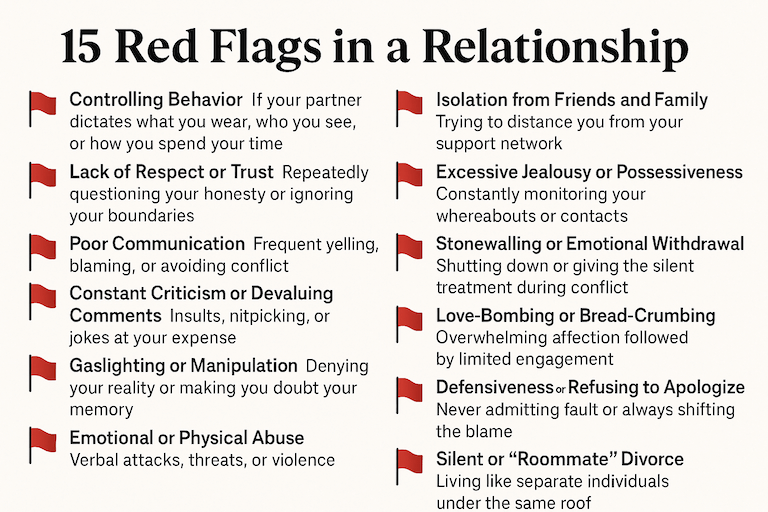
Red flags and signs in relationships. It takes both parties to be aware of each other’s needs and well-being in order to build a solid and successful relationship. But occasionally, some behaviors might act as warning signs, indicating possible problems that need to be addressed. In order to shed light on when it might be time to take a break and reevaluate.
RED FLAGS AND SIGNS IN RELATIONSHIPS
Red flags in relationships are a common topic of discussion, but what does the term actually mean? Are all warning signs the same for everyone? And does it ever make sense to confront the warning sign and repair the relationship, or are they just an excuse to leave? In addition to providing answers to these queries, this article will list some of the most typical warning signs in relationships.
1. Communication Breakdown:

• One of the earliest red flags is a breakdown in communication. If open dialogue becomes strained, and partners struggle to express themselves or actively listen, it could indicate underlying issues.
2. Controlling Behavior:
• Healthy relationships thrive on mutual respect and autonomy. Controlling behaviors, such as excessive jealousy, monitoring activities, or attempting to dictate choices, can be warning signs of an unhealthy power dynamic.
3. Lack of Trust:

• Trust forms the foundation of a robust relationship. Persistent mistrust, unfounded jealousy, or a history of betrayal can erode the essential trust required for a lasting connection.
4. Disregard for Boundaries:
• Respect for personal boundaries is crucial. When one partner consistently ignores or disrespects the other’s boundaries, whether emotional, physical, or digital, it’s a signal that should not be ignored.
5. Emotional or Physical Abuse:

• Perhaps the most serious red flag, any form of abuse—be it emotional, verbal, or physical—requires immediate attention. Seeking help and creating a safe environment is paramount.
6. Unresolved Conflicts:
• Healthy relationships involve resolving conflicts through communication and compromise. If conflicts persist without resolution or escalate into harmful arguments, it’s indicative of deeper issues.
7. Misalignment in Values and Goals:

Red flags and signs in relationships
• Divergence in core values, life goals, or future aspirations can create significant challenges. Identifying these differences early on is vital for long-term compatibility.
8. Isolation from Support Systems:
• When one partner intentionally isolates the other from friends, family, or support systems, it raises concerns about control and manipulation.
9. Inconsistent Behavior:

Red flags and signs in relationships
• Drastic changes in behavior or mood swings may signify underlying issues. Consistent inconsistency warrants attention and understanding.
10. Lack of Accountability:
• A healthy relationship involves taking responsibility for one’s actions. If a partner habitually avoids accountability and shifts blame, it can contribute to a toxic dynamic.
Responding to Red Flags:
Red flags and signs in relationships
Recognizing red flags is crucial, but taking proactive steps is equally important:
• Open Dialogue: Initiate open and honest conversations about concerns.
• Professional Guidance: Seeking relationship counseling can provide valuable insights and assistance.
• Establishing Boundaries: Clearly define and respect each other’s boundaries.
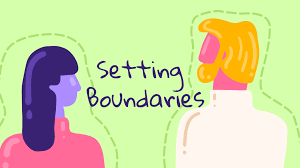
• Instinctual Awareness: Trust your instincts; if something feels amiss, address it sincerely.
Being vigilant about red flags in a relationship is not about looking for perfection but rather creating an environment where both partners feel safe, respected, and understood. Recognizing and addressing these warning signs early on can pave the way for a healthier and more fulfilling connection.
Summary
Red flags are warning indicators of harmful or exploitative behavior in partnerships. Controlling conduct, disrespect, love bombing, and physical or emotional abuse are a few examples. Although these actions may begin softly, they eventually tend to become more problematic and may result in toxic dynamics.

Gift giving and relationships. In partnerships, giving gifts serves as a crucial, symbolic language that conveys commitment, love, and care while also serving as a tangible evidence of devotion. It improves relationships, builds trust via reciprocity, and produces enduring memories that frequently raise dopamine levels in both partners. Personalized, customized, or requested things are highly valued, and thoughtfulness is more important than price.
GIFT GIVING AND RELATIONSHIPS
In a love relationship, giving gifts is an art that requires getting to know your partner well, expressing your feelings in a unique way, and treasuring time spent together. Giving gifts, no matter how big or small, enhances the depth and complexity of a romantic relationship and is a powerful way to express love.
1. Expressing Love and Affection:

• Gifts serve as tangible expressions of love and affection. Thoughtfully chosen presents convey emotions that words may struggle to articulate, creating a profound impact on the recipient.
2. Understanding Your Partner:
• Paying attention to your partner’s interests, desires, and preferences demonstrates a deep understanding of who they are. Thoughtful gifts tailored to their personality showcase the effort you put into knowing them intimately.
3. Celebrating Milestones:

• Special occasions like anniversaries, birthdays, and holidays are perfect opportunities to express your love through gifts. Meaningful presents on these milestones add a layer of significance to the shared journey.
4. Sparking Joy and Excitement
• Thoughtfully chosen gifts have the power to evoke joy and excitement. Whether it’s a surprise delivery or a carefully planned gesture, the element of surprise heightens the emotional impact.
5. Building Shared Memories:

• Gifts often become cherished mementos, creating a tangible link to shared experiences and memories. These tokens serve as reminders of the journey you’ve undertaken together.
6. Communication Beyond Words:
• Sometimes, emotions are complex and challenging to express verbally. Gifts act as a silent form of communication, conveying feelings, gratitude, or apologies without the need for words.
7. Sustaining Romance:

GIFT GIVING AND RELATIONSHIPS
• Regular, thoughtful gift-giving can sustain the romantic spark in a relationship. It adds an element of surprise and keeps the connection fresh, preventing the monotony that routine can bring.
8. Budget-Friendly Gestures:

GIFT GIVING AND RELATIONSHIPS
• Gifts need not be extravagant; even small, budget-friendly gestures can be incredibly meaningful. A handwritten note, a homemade treat, or a simple, thoughtful item can carry significant sentimental value. Read on for more updates.
Summary
Giving gifts is a way to express feelings and emotions in concrete ways that goes beyond words. Thoughtful presents can strengthen bonds and produce enduring memories in romantic relationships. Let’s examine the importance of gift-giving and how it enhances a love relationship.


Language and culture relationship. The two share a complicated yet comparable relationship, which explains this. Language and culture developed and influenced one another at the same time. The notion of linguistic relativity holds that people’s perceptions of their external surroundings are directly influenced by language. Every society has its own reality. This suggests that when a person speaks a language, they are embracing a culture, according to research. This theory holds that comprehending a foreign culture requires an awareness of its distinctive language.
LANGUAGE AND CULTURE RELATIONSHIP
Language is the primary means of expressing, transmitting, and forming cultural values, beliefs, and social behaviors; culture, on the other hand, provides the context that gives language its meaning, impacting everything from vocabulary to communication styles (paralanguage) and worldviews. They are inextricably linked systems. Since words and structures reflect societal norms, history, and identity, learning a language entails learning a culture. As such, they are crucial for genuine international understanding and connection.
Interactions Across Cultures;

When two cultures come into contact, what is likely to happen? Intercultural encounters are a typical occurrence in the modern world. Anybody who want to comprehend and get along with persons whose backgrounds and opinions are significantly different from their own must communicate.
Language and Culture;

Variations emerged within a language over time. Language transmission is self-replicating unless there is intentional disruption. But in order to advance individually, humans had to strengthen their social standing and hierarchy. Diversity in Linguistics and Culture Despite variety within a community, culture serves to unite it. first language
Relationship between language and culture. When discussing language and culture, the adage is frequently brought up. The reason for this is that the two have a complex yet similar relationship. Together, language and culture underwent development and mutual influence. According to the theory of linguistic relativity, language has a direct impact on how individuals perceive the outside environment. Every society has a unique reality.
Interactions Across Cultures;

Language and culture relationship
When two cultures come into contact, what is likely to happen? Intercultural encounters are a typical occurrence in the modern world. Anybody who want to comprehend and get along with persons whose backgrounds and opinions are significantly different from their own must communicate.
Language and Culture;

Language and culture relationship
Since language is learned, cultural transmission of language is possible. Young children in preschool acquire their first language through exposure to random words they come across both inside and outside of their homes. They acquire either their first language or a second language when they get to school age. Children are taught writing and reading skills, proper sentence construction, and formal grammar if it is their first language.
Variations emerged within a language over time. Language transmission is self-replicating unless there is intentional disruption. But in order to advance individually, humans had to strengthen their social standing and hierarchy. Diversity in Linguistics Despite variety within a community, culture serves to unite it.
Summary
While culture is the larger collection of shared beliefs, values, customs, behaviors, and artifacts that define a group, it is the system of communication (words, signs) that that group uses. Language is an essential part of culture and a tool for passing down traditions, but culture also influences how language is used (politeness, topics, slang).

Capable God Lyrics

Glorious God Lyrics

Ancient of Days Lyrics

A Step-by-Step Guide to Deleting Reels on Instagram

How to Create a WhatsApp Group