WRITING
Tips for Writing Book Reviews

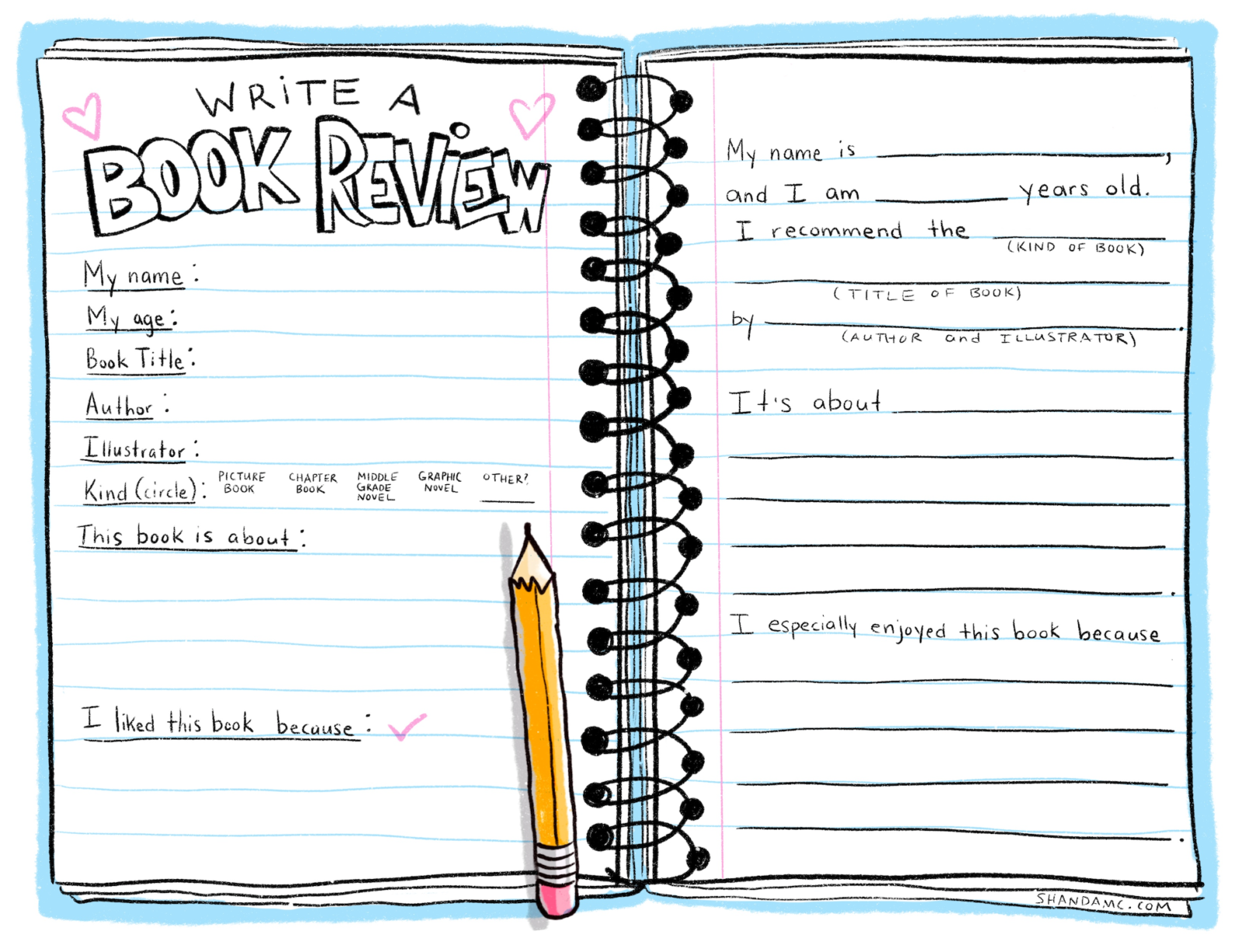
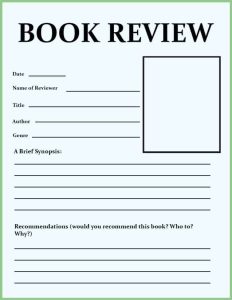
Tips for writing book reviews. In order to write a great book review, you should begin with the title, author, and a plot summary that doesn’t contain any spoilers. Next, you should honestly and specifically analyze the characters, writing, themes, strengths, and weaknesses of the book, supporting your points with examples from the text. Finally, you should include a star rating and recommendations for potential readers. Finally, you should always proofread your work for clarity and credibility.
TIPS FOR WRITING BOOK REVIEWS
composing book reviews. By serving as guiding lights, book reviews help readers navigate the wide variety of stories present in the field of literature. But it’s not enough to simply summarize a book; you also need to make a connection between your thoughts and the reader. Whether you’re a writer, critic, or book lover, writing a book review can help the literary community in addition to enhancing your own reading experience.
What’s The Definition?
A book review is a critical assessment of a literature. A synopsis of the book’s key ideas and the reviewer’s thoughts.
Tips:
Tips for writing book reviews
1.Introduce the book in a few phrases by summarizing its plot and mentioning if it is a part of a series or if reading previous novels in the series is necessary in order to enjoy this one.
2.Also, Talk about what you found most appealing about the book. Pay attention to your feelings and ideas regarding the narrative and the manner it was presented.
3.Meanwhile, Describe anything about the book that you didn’t enjoy. Explain why you believe it didn’t work out for you. To illustrate, would you have preferred a different conclusion to the one that left you feeling frustrated?
More Tips;
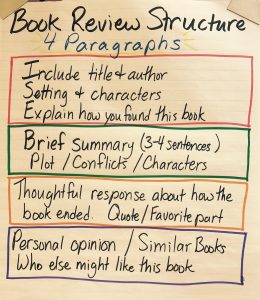
Tips for writing book reviews
4.However, to Condense your evaluation, Provide a brief summary of your feelings on the book and the kind of reader you would suggest it for. For instance, younger and older readers, as well as those who enjoy comedy, mystery, and romantic drama. Would you like to compare it to any particular novels or series?
5.If you would like, you may rate the book with a score of five or 10.
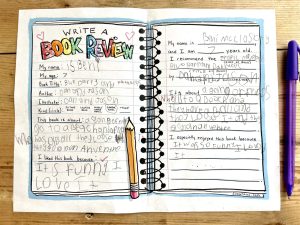
Tips for writing book reviews
6.What kind of data does the writer present to support their claims? Does the evidence hold up? If not, why not? Is the author’s argument sufficiently supported?
Summary
Reviewing a book entails summarizing its content, evaluating its strengths and weaknesses (plot, theme, argument, writing), comparing it to other works, and making a fair recommendation while avoiding significant spoilers to help prospective readers determine whether the book is for them and concentrating on what the book is rather than what you wish it were.







Tips for SEO performance. In 2026, prioritize user intent, excellent content, and technological optimization to boost SEO performance. Using descriptive headers, enhancing mobile speed, obtaining authoritative backlinks, and updating information for correctness are important strategies. Make it a top priority to please searchers by offering thorough, pertinent information and guaranteeing a quick, safe, and mobile-friendly experience.
TIPS FOR SEO PERFORMANCE
Blogging is a great way to reach a large audience with your ideas, knowledge, or anecdotes. Knowing the main elements of a great blog post is crucial, regardless of whether you’re beginning a personal blog or writing for a business. When creating interesting material, keep the following points in mind:
1. Know Your Audience;

Understanding your audience is the cornerstone of effective blogging. Before you start writing, ask yourself: Who is reading this? What are their interests and questions? Tailoring your content to your target readers helps ensure that your post resonates and keeps them engaged.
2. Start with a Catchy Headline;
Your headline is the first thing readers will see, so make it compelling and clear. A great headline grabs attention and gives a hint about what the post is about. Use action words or pose a question to intrigue your audience, but keep it concise.
3. Structure and Readability;

TIPS FOR SEO PERFORMANCE
Organize your post with subheadings, short paragraphs, and bullet points to make it easy to scan. Most readers skim blog posts before diving into the details, so a clear structure improves readability and helps convey key points quickly. Including visuals like images or infographics can break up text and make the post more engaging.
4. Provide Value;
Quality content that solves a problem, answers a question, or offers a fresh perspective will keep readers coming back. Ensure your blog post is informative, insightful, or entertaining. Sharing unique insights, backed by research or personal experience, adds credibility and value to your writing.
5. Optimize for SEO;

TIPS FOR SEO PERFORMANCE
Search Engine Optimization (SEO) helps your post rank higher in search engines and reach a larger audience. Use relevant keywords naturally throughout the post, including in the title, subheadings, and body text. Adding meta descriptions and internal or external links also boosts SEO effectiveness.
6. Include a Call-to-Action;
Encourage your readers to take the next step by including a call-to-action. Whether it’s subscribing to a newsletter, leaving a comment, or checking out related articles, a CTA keeps readers engaged and helps build community interaction.
7. Proofread and Edit;

TIPS FOR SEO PERFORMANCE
Nothing detracts from a blog post like spelling or grammar errors. Always proofread your work before publishing. Reading it out loud or using editing tools can help you catch mistakes and refine your writing for clarity and flow.
Summary
More than just writing well is needed to create a successful blog post; you also need to give value, optimize for search engines, and maintain audience engagement. You can write blogs that connect with readers and entice them to come back for more by concentrating on these important areas.


Good writing hacks. Prewriting (brainstorming, research, planning), Drafting (writing the first version), Revising (enhancing content and structure), Editing/Proofreading (correcting mechanics, grammar, spelling), and Publishing (finishing the polished work) are all essential steps in an effective writing process. Although it’s frequently presented in a linear fashion, it’s actually a recursive loop that enables authors to go back and improve their ideas and material for accuracy, impact, and clarity.
GOOD WRITING HACKS
Tips for good writing. Whether you’re writing in your private journal or for your website, the suggestions below can help you enhance your ability to create content and elevate your writing from excellent to exceptional.
What is Good Writing?

Good writing is well organized and flows smoothly, having a consistent style or voice from start to finish. Good writing is also free of typos and faults in spelling, punctuation, and grammar.
Steps;
1. Write every day. Writing daily will help you improve your skills and sharpen your ability to construct grammatically accurate and appealing sentences
2. Use Active Voice: It’s more engaging than passive voice. Consider how “My mother baked the cake” is superior to “The cake was baked by my mother.”
3. Be a voracious reader Read widely to expand your vocabulary and improve your understanding of diverse writing styles. Explore various genres and authors.
4. Be clear and concise. For efficient communication, use clear and precise language. Avoid using unnecessary or flowery jargon that obscures your meaning.
5. Vary sentence structure. Change the structure of your sentences. This will make your writing more engaging for the reader.

Good writing hacks
6. Avoid overused words. Avoid using clichés and overused phrases. Strive to come up with innovative ways to express what you’re saying.
7. Be descriptive. Use descriptive language to assist your reader in envisioning your words. This will make what you wrote more memorable for the reader.
8. Use similes. Use similes and metaphors in your writing whenever it makes sense. This makes your writing more relatable to the reader.

Good writing hacks
9. Use strong action words. Try to utilize powerful verbs rather than weak verbs. For example, instead of “walk,” use “saunter.” Instead of “get,” use “obtain.”
10. Avoid jargon. employing terms that are only familiar to a small set of readers.
Summary
Clear, well-structured, captivating, and beneficial to the reader, good writing conveys ideas with proper syntax, a consistent voice, and powerful word choice. It also makes difficult concepts understandable and captivating through logical flow and careful editing. It’s a combination of having brilliant ideas and the ability to communicate them in a way that appeals to readers, provides answers to queries, and makes reading easy and concentrated.
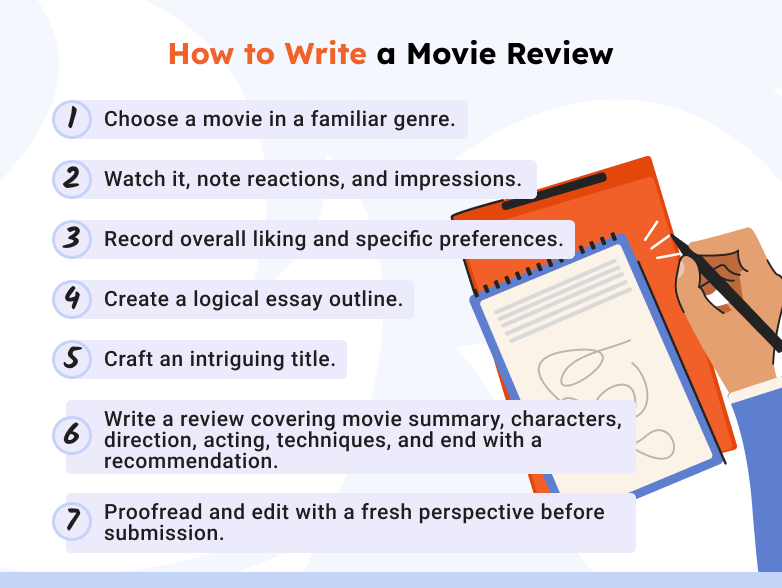

Tips for writing movie reviews. In order to write a great movie review, you should watch the film carefully (perhaps twice!), take thorough notes on the plot, acting, visuals, and themes, and then organize your review with a hook, a succinct, spoiler-free synopsis, an analysis of the main components (direction, cinematography, script), and a conclusion that provides specific examples to support your main points. Don’t forget to adjust your tone to your target audience and learn more about the filmmakers.
TIPS FOR WRITING MOVIE REVIEWS
A movie (short for “moving picture”) is a collection of images, typically accompanied by sound, that give the impression of constant motion in order to entertain, tell a story, or communicate ideas. It is frequently viewed in theaters or on screens at home. Using moving pictures that are produced using a variety of methods, such as computer-generated imagery (CGI), animation, or live-action, it mimics experiences.
Tips on Writing Movie Reviews;
1. Watch the movie at least once. For inexperienced reviewers, it is tough to capture everything in one viewing. Watching the film first and then taking notes is a simple technique to increase the quality of your final review. This will also make it easier to recollect your current thoughts and feelings.

TIPS FOR WRITING MOVIE REVIEWS
2. Share your thoughts and defend your criticism. Professional reviewers aren’t afraid to say whether they believe a movie was good, awful, or indifferent. Make careful to back up your points with specifics–a dismal performance, exquisite cinematography, a difficult subject that makes you think, and so on Professional reviewers should explain why and how they arrived at their criticism.
3. Think about your audience. Knowing who your viewers are and where the review will be published will help you pick which aspects of the film to highlight. review of the performances Make sure your writing style is appropriate for your intended audience.

TIPS FOR WRITING MOVIE REVIEWS
4. Discuss the acting. When reviewing a film, it is critical to devote a room to discussing the performances. Is the picture starring a seasoned actor in a new role or a breakout performance from a rising star? How was the acting?
5. Mention directors, cinematographers, and special effects. Reviews that contain highlights or blunders by directors, cinematographers, and costume designers can aid in supporting your criticisms. Reviewers can create a well-thought-out review by providing concrete examples of what succeeded, what surprised them, and what fell short of expectations.

TIPS FOR WRITING MOVIE REVIEWS
6. Avoid spoilers! Writing a movie review aims to pique people’s curiosity in viewing the movie.
Summary
How to write a film review. Knowing how to write a movie review enables any aspiring filmmaker to start consciously watching movies, whether they are writing for their blog, other websites, or social media platforms.

Capable God Lyrics

Glorious God Lyrics

Ancient of Days Lyrics

A Step-by-Step Guide to Deleting Reels on Instagram

How to Create a WhatsApp Group